6 Best Ergonomic Pillows For Long Sewing Sessions
Sewing for hours? Improve your posture and reduce pain with our top 6 ergonomic pillows for long sewing sessions. Click here to find your perfect support today.
Knitting for hours is a labor of love that often leaves the body feeling the strain of repetitive motion. When the focus shifts to intricate lace or complex stranded colorwork, physical discomfort can quickly derail creative momentum. Selecting the right ergonomic support turns a grueling marathon of stitches into a sustainable, pain-free hobby. These six pillows offer targeted relief to keep the needles clicking without sacrificing posture or technique.
Everlasting Comfort Lumbar Pillow: Best Back Saver
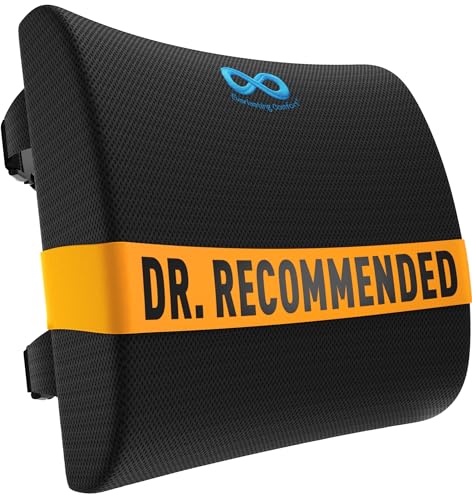

The constant slouching required to inspect fine gauge stitches puts immense pressure on the lower spine. This memory foam lumbar pillow fills the gap between the chair and the lower back, encouraging a neutral, upright posture. It is a reliable solution for anyone who finds themselves hunched over a circular needle project for hours on end.
Because it uses high-density memory foam, it provides consistent resistance that does not flatten out mid-project. If you are working on a heavy wool afghan that pulls downward on the shoulders, this support helps maintain the skeletal alignment needed to prevent neck strain.
Take care to adjust the strap height to match the natural curve of the lumbar spine. If placed too high or too low, it can actually exacerbate tension rather than relieve it. It remains a top choice for those who need firm, unwavering support during long sessions.
ComfiLife Gel Seat Cushion: Ultimate Sit-All-Day Pad

Extended knitting sessions on hard wooden dining chairs are a recipe for hip and tailbone fatigue. The ComfiLife gel cushion uses a dual-layer design—a cooling gel layer on top of high-density memory foam—to distribute body weight evenly. This is essential when spending an entire afternoon working through the repeat of a complex cable pattern.
The ergonomic, U-shaped cutout is specifically designed to reduce pressure on the coccyx. For those who experience numbness after sitting to work on socks or small-diameter projects, this cushion promotes better circulation by preventing the chair from digging into the thighs.
While memory foam is excellent for contouring, it can retain body heat over time. Choose this if the primary concern is tailbone pain and pressure points. It is a foundational upgrade for any home studio setup.
The Original Boppy Pillow: Genius Arm & Lap Support

While often associated with nursery use, the Boppy is a highly effective tool for propping up elbows and wrists during large-scale projects. By resting the arms on the firm cushion, you take the dead weight of your project off your shoulders and neck. This is a game-changer when working with heavy cotton yarns that can quickly fatigue the upper body.
The horseshoe shape wraps around the waist, creating a stable platform for needles and yarn cakes. It effectively brings the work closer to eye level, which prevents the “knitter’s neck” associated with looking down for hours.
This pillow works best for those who knit large sweaters or blankets that require a significant surface area for support. It is less effective for tiny, delicate work where precise hand placement is needed. Treat this as an ergonomic workspace “nest” rather than just a pillow.
McKenzie Lumbar Roll: Top Pick for Posture Correction

For those who do not require a full back cushion, the McKenzie Lumbar Roll is a minimalist’s dream. It is a simple, firm cylindrical roll that targets the exact curve of the lumbar spine to force better posture. This is ideal for knitters who find themselves falling into a “C-curve” slouch as they lose focus while purling.
Because it is so small and portable, it can be moved from a dedicated sewing chair to a sofa or travel bag. It encourages an active sitting posture, which is much better for long-term health than relying on a soft chair that absorbs the body into a slump.
Use this roll if you struggle with chronic lower back stiffness. It is not designed for comfort in the traditional, plush sense; it is designed for correction. If you want to train your body to sit correctly while knitting, this is the most direct tool for the job.
Purple Royal Seat Cushion: Splurge for Pressure Relief
The Purple Royal cushion utilizes a unique hyper-elastic polymer grid that collapses under pressure while remaining breathable. For the serious knitter who spends professional-length hours in the chair, this offers a level of pressure redistribution that foam simply cannot match. It feels slightly bouncy, which provides a dynamic seating experience.
The grid design allows for constant airflow, which is a major advantage during summer months when working with non-breathable synthetic fibers. If you struggle with heat buildup, this material provides a cooler, more comfortable seating surface.
While it is a more expensive investment, it does not lose its shape or flatten out over time like standard foam. If the budget allows for a permanent upgrade to your crafting space, this provides the most technologically advanced comfort available.
The Craft-n-Go Cushion Set: Made for Crafters
This set is specifically designed for the needs of those who spend long periods at a craft desk. Unlike standard pillows, these are engineered with firmer edges to keep tools and limbs from slipping. They serve as a stabilizing force, ensuring that the yarn is always positioned at an optimal angle for smooth needle movement.
The pieces can be arranged to suit your specific chair height and personal dimensions. Whether you need an armrest boost to level out your hands or a side cushion to keep your elbows tucked in, this set offers the versatility of a modular system.
Consider this if you rotate between multiple crafts—such as knitting, embroidery, and sewing—and need a flexible solution. It is the most customizable option for those whose ergonomic needs change depending on the technique or tool being used.
How to Pick the Right Pillow for Your Pain Point
- Tailbone pain: Prioritize a seat cushion with a U-shaped coccyx cutout.
- Shoulder and neck tension: Look for arm-supporting cushions that bring the project up to your line of sight.
- Lower back fatigue: Opt for a firm lumbar roll or a high-density back cushion.
- Hip numbness: Choose a memory foam or gel cushion that provides height and pressure distribution.
Always evaluate your specific pain point before committing to a purchase. Generic lumbar support will not help if the root cause of your pain is actually poor arm alignment. If your back hurts, focus on posture; if your hands and shoulders hurt, focus on elevation.
Lumbar vs. Seat Cushion: Which Do You Need First?
The most common mistake is assuming that a soft chair is a comfortable one. A seat cushion is the primary foundation; it corrects the angle of the hips and prevents the spine from rounding. If the hips are positioned poorly, no amount of lumbar support will save you from back pain.
Start with a high-quality seat cushion to ensure your foundation is stable and level. Once you are seated correctly, observe where your spine wants to collapse. If you still feel the need to lean back into the chair, then add the lumbar support to bridge that remaining gap.
Positioning Your Pillow for Maximum Sewing Comfort
Placement is as important as the product itself. For a lumbar pillow, the focus should be on the hollow of your lower back, just above the sacrum. It should provide a firm sensation of support, not a feeling of being pushed forward by the pillow.
When using arm support, ensure the height is sufficient to keep your wrists in a neutral position. If your elbows are forced too high or left hanging too low, it creates tension in the trapezius muscles. Experiment with these placements until the weight of your project feels almost weightless in your hands.
Beyond Pillows: Your Ergonomic Sewing Station Setup
Pillows are only one part of a healthy knitting environment. Consider the height of your desk or table; you should be able to knit with your elbows bent at a 90-degree angle, with your wrists held straight. If your table is too high, you will inevitably shrug your shoulders, leading to tension headaches.
Lighting also plays a critical role in posture. If you struggle to see the definition of a dark-colored mohair or a fine-weight silk, you will lean forward, ruining your posture regardless of your cushion. Invest in a bright, adjustable task lamp to bring the light directly to your needles.
Finally, do not underestimate the power of the timer. Every 45 minutes, stand up, drop the needles, and stretch the shoulders, neck, and forearms. No cushion can replace the necessity of movement. Combining these ergonomic tools with a habit of regular stretching will ensure you can keep crafting for decades to come.
Investing in ergonomic support is as vital to your long-term success as choosing the right fiber for a sweater. By addressing the physical demands of your craft with the right tools, you can ensure that your passion for fiber arts remains a lifelong joy rather than a source of chronic pain.