6 Best Wool-Safe Storage Bags For Delicate Fibers
Protect your favorite sweaters from moths and damage. Discover the 6 best wool-safe storage bags for delicate fibers and shop our top picks to keep knits fresh.
Protecting a hand-knit wardrobe requires more than just careful washing and blocking. After investing dozens of hours into intricate cables or delicate lace, storing these garments improperly can invite moth damage or unsightly misshaping. Choosing the right storage solution ensures that labor-intensive projects remain in pristine condition for years to come. This guide breaks down the best storage options to safeguard precious wools against the elements and pests.
Ziploc Space Bags: Best for Long-Term Storage
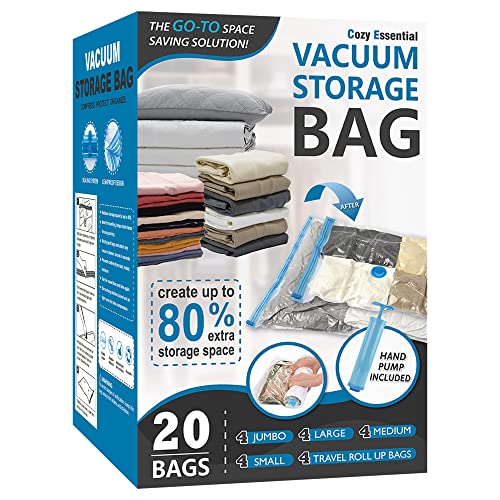

Compression bags are an effective way to maximize space when storing seasonal items like heavy Icelandic wool sweaters or oversized blankets. By removing excess air, these bags create an airtight environment that prevents moths and dust from infiltrating the fibers.
However, caution is necessary when compressing high-loft yarns. Natural wool fibers need to breathe, and prolonged, extreme compression can sometimes flatten the structure of complex stitches or damage the delicate loft of mohair-blended yarns.
Use these bags primarily for items that are infrequently accessed, such as heavy winter gear stored during the summer months. Always ensure the knit is completely dry and clean before sealing, as trapped moisture inside an airtight bag is a recipe for mildew.
The Laundress Storage Bag: Best for Cashmere

Cashmere is a temperamental fiber that demands premium protection due to its tendency to attract moths and its susceptibility to stretching. A breathable, high-quality storage bag offers a middle ground between total airtight sealing and open-air exposure.
These bags often feature sturdy, acid-free construction, which prevents the yellowing or chemical degradation that can occur with lesser plastics. The fabric weave allows enough airflow to keep fibers fresh while acting as a physical barrier against insect intrusion.
Choose this option for heirloom-quality pieces or sweaters knit from expensive, delicate fibers like angora, cashmere, or high-twist merino. It is the best choice for the knitter who prioritizes structural integrity over space-saving capacity.
Whitmor Clear Vinyl Bags: The Best Budget Option

For the knitter with an extensive collection of sweaters that need to be organized and visible, clear vinyl bags offer unparalleled utility. These bags allow for quick identification of the specific garment inside without having to unzip every container.

Because they are usually constructed with plastic, they provide an excellent seal against dust and humidity fluctuations. They are particularly useful for storing surplus stash yarn or smaller knitted accessories like hats and mittens that are easily misplaced.
The tradeoff here is breathability. Since vinyl does not allow for air circulation, ensure that any stored items are rotated occasionally and never stored in a damp basement environment, where condensation can accumulate inside the plastic.
Richards Homewares Cedar Chest: Best Underbed Pick
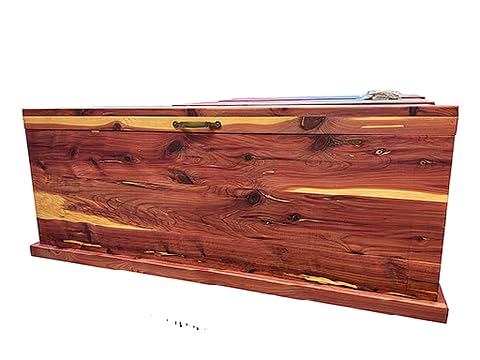
Underbed storage utilizes the often-wasted space beneath furniture, making it a perfect solution for large-scale knit collections. Cedar chests or cedar-lined bags combine storage functionality with the natural, time-tested moth-repelling properties of aromatic wood.
The primary advantage is the dual-action protection: the physical barrier of the container and the natural oils in the cedar that discourage pests. This is a superior choice for those who prefer to avoid chemical mothballs or synthetic sprays in their home.
Ensure that the wool does not touch the raw cedar wood directly, as oils can occasionally leave residue on delicate fibers. Use a layer of acid-free tissue paper between the garment and the wood to maintain a safe, protective buffer.
MAWA Anti-Moth Bag: The Top Choice for Closets
Closet storage presents unique challenges, as garments are often hung rather than folded to prevent creases. Specialized anti-moth garment bags are designed to protect sweaters that are kept on hangers, preventing the shoulder distortion that occurs with poor-quality hardware.
These bags are specifically engineered to provide a defense against pests while remaining thin enough to maximize closet real estate. They represent a professional-grade solution for the dedicated garment maker who wears hand-knits regularly throughout the season.
If hanging heavy wool sweaters, always fold the garment over the hanger bar rather than hanging it by the shoulders. This simple adjustment prevents the weight of the yarn from pulling the shoulders out of shape over time.
Household Essentials Bag: Best for Breathability

Knitted wool is an organic fiber that thrives in environments where air can circulate, preventing the buildup of trapped moisture and odors. A breathable fabric bag acts as a shield against dust and light while allowing the fibers to remain “alive.”
This is the preferred storage method for daily-wear items that transition in and out of the rotation frequently. It is also the safest environment for long-term storage of vintage pieces where maintaining the chemical balance of the fiber is critical.
While these bags may not be completely airtight, they are highly effective when used in combination with cedar blocks or lavender sachets. For the knitter concerned about chemical sensitivity or fiber longevity, breathable storage is the gold standard.
Why You Must Clean Wool Before You Store It Away
Never store a hand-knit garment without washing it, even if it appears clean to the naked eye. Skin oils, perfume residue, and microscopic food particles are major attractants for moths and silverfish, which will quickly gravitate toward dirty wool.
Furthermore, perspiration contains salts that can cause fibers to become brittle over long periods. A thorough soak in a gentle wool wash followed by a proper blocking session ensures that the garment is shaped correctly and free of debris.
Allow the garment to air dry completely—ideally for at least 48 hours—before placing it in any storage container. Storing slightly damp wool is the fastest way to invite mold or mildew growth, which can permanently ruin delicate fibers.
Cedar vs. Lavender: Which Deters Moths Best?
The battle between cedar and lavender is a common debate, but both serve different purposes in a storage strategy. Cedar relies on its aromatic oils to repel pests, while lavender acts as a fragrant deterrent that works well in smaller, enclosed spaces.
Cedar is more potent and longer-lasting, but it does require occasional sanding to refresh its scent as the oils oxidize. Lavender is gentler on the nose and provides a pleasant, fresh scent to garments, making it ideal for dresser drawers or smaller bins.
The most effective approach is often combining both methods or using them in tandem with a sealed bag. Relying solely on these natural repellents without a physical barrier is risky, as they are deterrents, not absolute eradication tools.
Plastic vs. Fabric Bags: A Knitter’s Guide
Choosing between plastic and fabric bags ultimately comes down to the storage environment. Plastic bags offer the best defense against environmental factors like moisture and dust, but they lock in humidity if the item is not perfectly dry.
Fabric bags offer superior breathability and are generally better for the long-term health of natural fibers like wool and silk. They do not, however, offer the same level of protection against moisture infiltration in damp climates.
Evaluate the humidity level of the intended storage location before deciding. If storing in an attic or basement, prioritize the seal of plastic; if storing in a dry closet or bedroom, favor the breathability of high-quality fabric.
Storing Handknits: Your Top Questions Answered
- Can I use vacuum-seal bags? While space-efficient, avoid these for high-loft wools, as the pressure can crush the yarn’s structure and destroy the carefully crafted stitch definition.
- Are mothballs necessary? Most modern knitters prefer natural alternatives like cedar, as mothballs contain chemicals that can be hazardous and leave a lingering, difficult-to-remove odor.
- Should I fold or hang? Always fold heavy sweaters to avoid stretching; use garment bags only if the hanger is properly padded or if the sweater is folded over the crossbar.
- How often should I check my stored items? Perform a “closet audit” at least twice a year, ideally when switching between summer and winter seasons, to inspect for any signs of pest activity or moisture.
Investing in high-quality storage is a simple but essential way to honor the time and skill poured into every project. By selecting the right bag and preparing garments with care, the integrity and beauty of hand-knit fiber arts will remain intact for generations.