6 Best Sewing Magnets For Holding Needles To Use
Keep your workspace organized with our top 6 sewing magnets for holding needles. Discover the best tools to secure your pins and upgrade your stitching routine.
Searching for a needle on the floor is a rite of passage every maker dreads, especially when working with high-tension wools or intricate lace patterns. A reliable magnetic holder transforms the chaotic workspace into an organized sanctuary, ensuring that essential tools stay within arm’s reach. Whether navigating complex cables or simple stockinette, the right magnet keeps sharp steel points ready for the next stitch. Choosing the correct storage solution minimizes project interruptions and keeps the focus entirely on the rhythm of the work.
Grabbit Magnetic Pincushion: Best Overall Power


The Grabbit is an industry staple for a reason: its massive surface area and powerful magnetic field can hold an entire box of pins or needles with ease. For those who frequently switch between different needle sizes for a single project, this provides a centralized landing spot that never lets go.
The weight of the base ensures it stays put on a crowded side table even when tugged. Its design is utilitarian rather than decorative, making it the workhorse of a serious knitting studio. If the workspace involves frequent transitions between cable needles, stitch markers, and tapestry needles, this is the most secure option available.
Katrinkles Needle Minder: Most Stylish Choice

Needle minders serve a dual purpose: they function as both a tool keeper and a decorative charm to adorn a project bag or the lapel of a cardigan. Katrinkles specializes in wood-based designs that bring a tactile, natural aesthetic to the knitting kit.
These are best for holding single tapestry needles used for weaving in ends or grafting stitches. Because they are smaller, they rely on a powerful rear magnet that secures them firmly to fabric. They offer a touch of personality without the industrial bulk of a traditional pincushion.
Dritz Magnetic Wrist Pincushion: Most Wearable
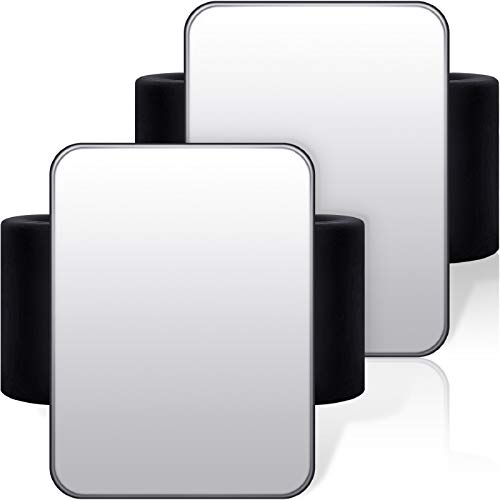
For knitters who prefer to stand or pace while working, the wrist-mounted magnet keeps tools mobile and accessible. This eliminates the need to reach over to a table, which is particularly helpful when managing long, heavy circular needles or complicated colorwork charts.
The curved back fits comfortably against the wrist, staying secure through rhythmic hand movements. It is an excellent choice for those who lose track of their tapestry needles in the folds of a large blanket or shawl project. The convenience of having the tools physically attached to the body cannot be overstated during long finishing sessions.
Zirkel Magnetic Pin Holder: Best for Quick Grabs

The Zirkel uses a unique circular magnetic field that causes pins and needles to stand upright, making them incredibly easy to pinch and pull. This is a game-changer for anyone dealing with arthritis or limited grip strength, as it removes the struggle of trying to slide a needle off a flat surface.
It is particularly effective for managing steel cable needles or stitch holders that tend to roll away. Because the needles stand tall, there is no fumbling or scraping fingers across a surface. The design is elegant, functional, and highly efficient for high-frequency use.
Cohana Magnetic Spool Pincushion: Premium Pick

Cohana represents the intersection of fine craftsmanship and utility, often using traditional Japanese materials like high-quality wood and silk. This magnetic spool is a beautiful desk accessory that functions as a sophisticated, high-end storage point for essential steel tools.
The weight and finish of the base feel substantial, signaling a tool meant to last for decades of projects. It is an investment piece for the knitter who values the aesthetic experience of their workspace as much as the quality of the finished garment. While functional, it serves primarily as an elegant anchor for the most frequently used needles.
Fons & Porter Magnetic Pin Bowl: Best for Budget
A simple magnetic bowl is often the most practical solution for those just starting to build their toolkit. It provides a wide, accessible basin that captures loose needles and markers dropped in haste during a complex pattern repeat.
The bowl’s depth prevents items from sliding off the edges, which is a common frustration with flat magnetic mats. It is an ideal entry-level accessory for a beginner who needs a reliable catch-all for tapestry needles and stitch markers. The price point makes it an easy addition to any starter kit without sacrificing essential function.
How to Choose the Right Sewing Needle Magnet
Selecting a magnet requires an honest assessment of the workspace environment and personal workflow. If the project involves frequent movement, a wearable option is superior, but for stationary knitting, a heavier base offers more stability.
Consider the surface where the magnet will sit; a lightweight plastic magnet might slide on a glass table, while a weighted base remains steady. Always match the magnet’s strength to the weight of the tools being stored. Over-specifying a magnet for light tapestry needles can make it difficult to pull them off, while a weak magnet will fail to hold heavier steel cable needles.
Needle Minder vs. Magnetic Bowl: Key Differences
Needle minders are designed for portability and are often kept on a piece of fabric, acting as a personal valet for a single needle. They are ideal for knitters who take their work on the go and need to ensure their tools don’t migrate during transit.
Magnetic bowls, conversely, are anchors for a stationary workspace. They offer a larger capacity and are better suited for holding a variety of items, including markers, scissors, and multiple needles of varying gauges. Choosing between them depends entirely on whether the priority is portability or total tool volume.
Are Sewing Magnets Safe For Electronic Machines?
While magnetism is generally harmless to standard sewing tools, caution is required around electronic knitting machines or digital stitch counters. Strong magnets can interfere with the internal sensors of sensitive equipment if placed in direct contact.
Maintain a buffer zone of at least six inches between magnetic pincushions and any electronic device components. Most magnets used for sewing are not powerful enough to cause long-term damage at a distance, but persistent proximity can lead to calibration issues. Always prioritize the safety of high-end, computerized equipment by keeping magnetic accessories physically separated from the machine console.
What to Look For in a Magnet’s Strength & Size
Strength is defined by the magnet’s ability to hold needles firmly without them shifting during minor vibrations. An ideal sewing magnet holds items in place even if the holder is bumped, yet releases them with a simple lift of the finger.
Size should correspond to the typical number of tools used in a standard session. A tiny minder is perfect for a finishing needle, but an entire knitting project usually requires a larger footprint to accommodate stitch markers, cable needles, and different sized tapestry needles. Aim for a balance where the magnet footprint covers the essential tool set without dominating the limited workspace.
Investing in a dedicated magnetic holder is a small change that yields significant dividends in project flow. By keeping sharp points organized, the risk of losing tools in deep piles of yarn or floor rugs is virtually eliminated. Choose the option that best matches your habits, and enjoy a tidier, more efficient knitting process.