6 Cotton Sewing Threads For Natural Feather Trims
Discover the best cotton sewing threads for natural feather trims. Enhance your next craft project by exploring our top six durable, high-quality thread picks.
Adding natural feather trims to a hand-knitted garment or an heirloom-quality accessory requires a thread that respects the delicacy of the quills while providing structural integrity. Cotton thread is the premier choice for this task, as its lack of elasticity prevents the weight of the feathers from distorting the knit fabric over time. Choosing the right weight and brand ensures that the connection between the trim and the yarn remains seamless, durable, and visually unobtrusive. The following guide highlights the most effective cotton threads for securing these tactile, ethereal accents to your work.
Gütermann Natural Cotton: The Reliable Go-To


Gütermann Natural Cotton is widely regarded as the industry standard for general-purpose sewing. It is mercerized, a process that gives the cotton a slight luster and higher tensile strength, making it less prone to snapping under the tension of a heavy trim.
The thread is exceptionally uniform, which prevents knots and snags as it passes through the delicate membrane of a feather quill. Because it is a medium-weight thread, it provides just enough bulk to anchor a trim firmly to a sweater cuff or a shawl edge without creating a bulky, unsightly seam.
If you are working on a dense, woolen fabric, this thread will disappear into the background perfectly. It is the safest choice for those who want a reliable, no-nonsense result that holds up under the friction of daily wear.
Mettler Silk-Finish Cotton: For a Pro Sheen
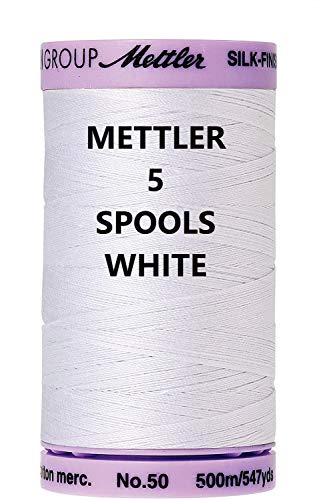
Mettler Silk-Finish Cotton offers a polished, professional appearance that mimics the smoothness of silk while retaining the structural benefits of cotton. The unique processing ensures that the thread remains lint-free, which is vital when working with feathers that might trap loose fibers.
This thread possesses a subtle sheen that blends beautifully with luxury fibers like cashmere or silk-mohair blends. It does not stretch, ensuring that the alignment of your feather trim remains consistent across the entire length of your knitted edge.
Consider this option when working on formal garments where the transition between the trim and the knit must look deliberate and clean. It is a premium choice that rewards the maker with a sophisticated, high-end finish.
Aurifil 50wt Mako Cotton: Quilter’s Choice

Aurifil 50wt Mako is crafted from long-staple Egyptian cotton, which is prized for its extreme strength and fine diameter. Despite its thin profile, it is surprisingly robust, making it ideal for attaching trims where you want the stitches to be completely invisible.
Because it is thinner than standard sewing threads, it passes through delicate quill casings without splitting them. This is a critical factor when working with fragile bird feathers, as a thicker needle or thread could cause the quill to fracture during attachment.
This thread is perfect for those who are intimidated by the weight of their own work. If you are attaching a long, heavy feather boa to a lace shawl, use this thread to ensure the connection is secure without adding unnecessary thickness to the bind-off edge.
Coats & Clark Cotton: The Widely Available Pick
Coats & Clark is a household name for a reason: it is accessible and consistent across every spool. While it may lack the specialized finish of luxury European brands, it performs reliably for standard appliqué and trim attachment.
The thread has a matte finish, which is excellent for projects made from rustic, high-twist wools where a shiny thread might look out of place. It anchors well and holds knots securely, providing a solid foundation for trims that will see frequent movement.
If you are just beginning to experiment with adding trims to your knitwear, this is an excellent starting point. It allows you to focus on your stitching technique without worrying about the high cost of the materials.
Scanfil Organic Cotton: The Eco-Friendly Option
Scanfil Organic Cotton is a top choice for makers committed to sourcing sustainable materials for their fiber arts projects. It is produced without the harsh chemicals used in conventional cotton processing, resulting in a thread that is soft to the touch and environmentally responsible.
The texture is slightly more organic and less “slick” than mercerized threads. This makes it particularly effective for stitching onto natural, plant-based yarns like linen or cotton, as the fibers tend to grip one another more securely.
While it is strong, it does not have the same high-sheen finish as others on this list. It is best used for projects where the goal is a natural, rustic aesthetic that prioritizes environmental integrity alongside beautiful design.
YLI Select 100% Cotton: For Strong, Fine Seams
YLI Select 100% Cotton is a fine, high-twist thread designed for projects that demand durability in a compact space. The twist is tight and consistent, which prevents the thread from twisting back on itself during the long, repetitive process of hand-sewing a trim.
This thread provides an exceptionally low-profile seam, making it the best choice for delicate areas like necklines or collars. It sits flat against the knitting, ensuring that the feather trim appears to be growing directly from the fabric rather than being sewn on top.
If you are concerned about your trim looking “tacked on,” YLI Select is the answer. It is specifically engineered to handle the fine detail work that transforms a handmade item into a professional-grade garment.
Why Cotton Thread is Best for Natural Fibers
Cotton is the ideal partner for wool, alpaca, and mohair because it shares their inherent lack of elasticity. When you sew a trim onto a knit garment, the thread acts as the “skeleton” of the seam; if the thread stretches, the trim will eventually sag away from the fabric.
Synthetic threads, like polyester, often have a “memory” and a degree of stretch that can pull at the tension of your stitches. By using cotton, you match the low-stretch properties of the wool, ensuring that both the yarn and the thread age and relax at the same rate.
Furthermore, cotton thread is breathable and heat-resistant, which is crucial if your garment requires steam blocking. It will not melt or react poorly to the moisture and heat that are standard in final garment finishing.
Thread Weight Explained: 40wt vs. 50wt vs. 60wt
Thread weight is an inverse measurement: the higher the number, the thinner the thread. For attaching feather trims, weight is the single most important factor in determining the longevity and aesthetic success of your attachment.
- 40wt: This is a thicker, heavier-duty thread. Use this for heavy, dense feather trims or if you are anchoring a trim to a very thick, heavy-gauge wool.
- 50wt: The industry standard. It is the “Goldilocks” weight that works for 90% of all knitting-to-trim applications. It provides the best balance of strength and invisibility.
- 60wt: An ultra-fine thread. Reserve this for the most delicate feathers or for fine-gauge knitting (like sock-weight yarn) where even a 50wt thread would look too bulky.
Always match your needle size to your thread weight. Using a thick needle with a fine 60wt thread will leave large holes in your knit fabric, which can compromise the integrity of the garment’s structure.
Choosing the Right Needle for Sewing Feathers
The needle is just as important as the thread when working with feather quills. A standard sharp sewing needle is usually too blunt, which can cause the quill to split or tear as you push through.
A fine, thin embroidery or quilting needle is preferred. These have a sharper point and a smaller eye, allowing them to glide through the quill without causing structural damage. If you are struggling to pull the thread through, use a needle with a slightly longer shank to give you more leverage.
Always ensure your needle point is in perfect condition. A burr or a dulled tip will snag the delicate yarn of your knitting, leading to unsightly pulled threads that are difficult to fix once the trim is fully attached.
How to Secure Feather Trims Without a Machine
Hand-stitching is the only professional way to secure feather trims to hand-knitted items. Machines are rarely capable of handling the uneven thickness of a quill, and they often cause the delicate knit fabric to pucker under the presser foot.
Use a “backstitch” for the most secure hold, ensuring that each stitch catches a loop of the knitted yarn on the interior side of the fabric. This distributes the weight of the trim across multiple stitches rather than relying on a single point of failure.
Finally, knot your thread at the end of every 4-6 inches of trim. This creates “anchors” throughout the length of the project; if the thread ever breaks in one section, the rest of the trim will remain securely attached to your hard work.
Adding feather trims is a masterful way to elevate a project from a simple accessory to a statement piece. By selecting a high-quality cotton thread and using the proper hand-sewing techniques, you ensure that the trim remains as durable as the knitting itself. With the right foundation, these ethereal details will remain perfectly in place for years of wear.