
6 Best Labels For Clothing Branding To Elevate Designs
Discover the 6 best labels for clothing branding to elevate your apparel designs. Explore our expert guide and choose the perfect finish for your brand today.
The final stitches of a complex lace shawl or a sturdy pair of work socks are often followed by a lingering question: how to give the piece a professional, finished identity. A well-chosen label acts as a silent signature, communicating the care poured into every purl and yarn-over. Selecting the right material is as crucial as choosing the correct needle size or fiber blend. Proper branding elevates a handmade project from a simple craft to a polished, heirloom-quality garment.
Dutch Label Shop Woven Labels: Best Pro Finish


Woven labels are the gold standard for high-end knitwear because the design is integrated directly into the fabric structure. Unlike printed versions that can fade with repeated laundering, these threads hold their integrity through the rigorous agitation of a washing machine.
For garments using dense, structured wools or complicated colorwork, these labels offer a seamless, non-bulky finish. They feel soft against the skin, making them ideal for the nape of a sweater neck or the cuff of a delicate baby blanket.
When choosing these, opt for a fold-over style if the garment has a high neckline to prevent scratchy edges. Because they are woven, they handle steam blocking exceptionally well without distorting the underlying design.
The Beam City Faux Leather Tags: Best Vegan Pick

Faux leather tags provide an immediate aesthetic upgrade, mimicking the look of heritage luxury without the use of animal products. These are particularly effective on thick, rustic hand-knits like chunky-weight beanies or heavy cabled cardigans.
The rigidity of faux leather offers a structural anchor, helping to keep slouchy or oversized items from losing their shape at the hem. Since they are synthetic, they resist water absorption and won’t stiffen after a project is blocked or hand-washed.
Always ensure the faux leather is heat-resistant if the garment will be ironed or steamed regularly. While they look premium, avoid using them on ultra-fine lace, as the weight of the tag can pull on the delicate fabric and create an unsightly dip in the drape.
All This Wood Cork Tags: Top Eco-Friendly Choice

Cork tags introduce a natural, tactile element that pairs beautifully with plant-based fibers like cotton, linen, or bamboo. They offer a flexible, lightweight alternative to leather that softens with age rather than cracking.
These tags are inherently water-resistant, making them a sensible choice for items like market bags or summer garments that see frequent use. The earthy texture complements natural, undyed yarns and adds a rustic charm to projects knit in neutral palettes.
Keep in mind that cork is porous and can take on the color of vibrant, non-colorfast dyes if not cared for properly. Use these tags for garments intended to age gracefully over time.
EverEmblem UltraSuede Labels: For a Luxe Touch
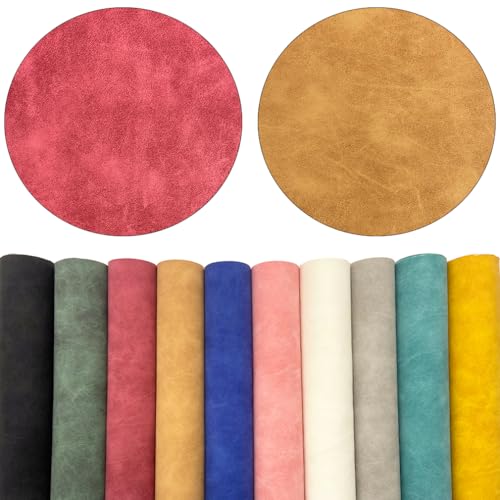
UltraSuede labels offer an incredibly soft, brushed texture that feels gentle against sensitive skin. This makes them the superior choice for luxury items like cashmere scarves, mohair cowls, or any project intended to sit directly against the neck or wrists.
The material is surprisingly durable despite its velvety appearance, resisting fraying even when cut into precise shapes. This allows for customized geometric tags that look like high-end boutique branding.
Because they are thin, they won’t add unwanted bulk to seams. They provide a sophisticated, muted finish that allows the detail of the knit stitch to remain the focal point of the garment.
Spoonflower Fabric Labels: Best for Full Color
Spoonflower labels allow for complex, vibrant designs that aren’t possible with traditional weaving or embossing. If the brand identity relies on intricate illustrations, watercolor motifs, or distinct photography, this is the most viable path.
These are essentially printed fabric squares, making them highly versatile for different attachment methods. They are ideal for crafters who produce limited runs of items and need a variety of colorways to match different yarn projects.
However, be aware that these labels are thinner than woven tags and can fray at the edges unless they are heat-cut or folded. Use a tight satin stitch around the perimeter to ensure longevity through repeated wash cycles.
Wunderlabel Printed Satin: Best Budget-Friendly
Printed satin labels provide a crisp, clean aesthetic at a fraction of the cost of woven alternatives. They offer a silky, polished finish that works well on lightweight garments or items produced in bulk.
The sheen of the satin helps the branding stand out against matte wool or acrylic surfaces. While they are not as durable as woven labels, they are perfectly suited for gifts or garments that don’t require heavy-duty maintenance.
They are quite slick, so they require careful placement and pinning before sewing to avoid shifting. Ensure the printing is quality-checked for heat resistance so the text doesn’t smear during the final blocking process.
Woven vs. Printed vs. Leather: Which Is for You?
The choice of label should match the “personality” of the yarn and the intended use of the finished piece. Woven labels suit classic, durable items meant for daily wear, whereas leather or cork adds a artisanal, “slow fashion” appeal.
- Woven: Best for longevity, professional feel, and direct skin contact.
- Printed: Ideal for budget-conscious projects, soft baby items, or highly detailed, colorful logos.
- Leather/Faux Leather: Perfect for structural stability on heavy-gauge knits and exterior branding.
Always consider the fiber content of the garment. A heavy, synthetic-based yarn might overwhelm a delicate printed ribbon, while a soft alpaca sweater would feel uncomfortable with a stiff, thick leather patch.
How to Design a Label That Represents Your Brand
Simplicity is the most effective tool in branding. A cluttered label becomes illegible once sewn into the tight space of a neckline or folded hem.
Focus on a high-contrast design where the text is easily readable against the background color. Use fonts that are clear and avoid overly decorative scripts that lose detail when reduced to a one-inch square.
Include only the essentials: brand name, fiber content, and basic care symbols if the label size allows. A label is meant to be a reminder of the maker’s care, not a substitute for a full, detailed care instruction card.
Where to Place Your Label on Handmade Garments
Placement is as much about aesthetics as it is about function. The internal back neck of a sweater is the traditional location, providing a subtle, professional touch for the wearer.
For hats or beanies, a fold-over tag at the edge of the brim is more visible and adds a modern, streetwear-inspired look. On shawls or scarves, a discreet corner placement ensures the branding is present without interfering with the drape of the fabric.
Always test the placement before permanently attaching the label. Drape the fabric naturally and see if the weight of the tag forces the material to hang unevenly or creates an awkward silhouette.
Attaching Your Labels: Sewing vs. Rivets Guide
Sewing is the most versatile method and works with virtually every label type. Use a thread that matches the base garment, or a clear monofilament if the label is multi-colored and a precise color match isn’t possible.
Rivets provide a secure, industrial finish for leather or cork tags but require a sturdy base material. If using rivets on an open-work knit, ensure the tag is reinforced with a scrap of fabric on the back to prevent the rivet from pulling through the yarn.
When sewing, avoid piercing the yarn fibers if possible; instead, pass the needle through the loops of the stitches themselves. This preserves the structural integrity of the knit and keeps the label firmly in place without causing accidental runs or snags.
Selecting the right label is the final, essential step in honoring the labor of the knitting process. By matching the texture and durability of the tag to the specific project, you ensure that the finished work retains its professional appeal for years to come.
