
7 Best Leather Burnishing Compounds For Professional Finishes
Achieve professional edges with our expert review of the 7 best leather burnishing compounds. Read our guide now to find the perfect finish for your projects.
Achieving a professional edge on a leather project is much like achieving the perfect tension in a lace shawl; it requires the right tools and a steady hand. Just as the wrong needle material can cause a wool blend to snag or drag, the incorrect burnishing compound can lead to fuzzy, uneven, or sticky leather edges. Professionals understand that the edge is the hallmark of quality craftsmanship, signaling the difference between a handmade item and a true heirloom. Mastering this finishing step elevates every leather bag, strap, or accessory to a polished standard.
Seiwa Tokonole: The Pro’s Choice for Glassy Edges


Tokonole remains the industry standard for a reason. This water-based, non-toxic compound penetrates the leather fibers and flattens them into a smooth, glass-like surface that holds up exceptionally well over time.
It is particularly effective when working with vegetable-tanned leathers that require a firm, refined finish. If you have ever struggled with a sweater hem that curls no matter how much you block it, imagine the frustration of a leather edge that simply refuses to stay compressed; Tokonole solves this by bonding the fibers together permanently.
The product dries clear and leaves a slight, pleasant sheen. Because it is thick and easy to control, there is very little waste, much like working with a high-quality, long-staple wool that resists pilling. For a professional, high-gloss edge, this is the definitive choice.
Fiebing’s Gum Tragacanth: The Traditional Favorite
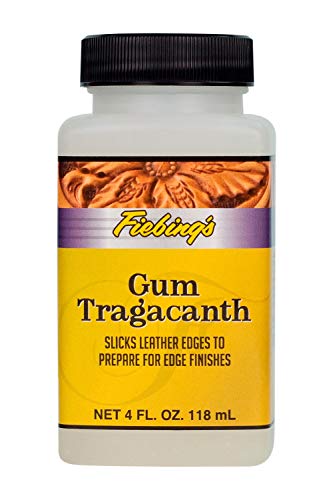
Gum Tragacanth is a natural plant-based resin that has been the go-to for generations of leatherworkers. It provides a classic, firm burnish that feels traditional and authentic to the touch.
Applying this compound is a bit more labor-intensive than modern synthetic alternatives. It requires consistent friction to activate the gum, echoing the patience required for complex cabling or steeking a garment. If you are a purist who appreciates the history of the craft, the tactile feedback of Gum Tragacanth is hard to beat.
Because it is a thinner liquid, be mindful of over-application, which can leave water stains on delicate leathers. Use this if you prefer a traditional, organic finish and do not mind putting in a little extra elbow grease.
Columbus Leather Edge Wax: Best for a Matte Sheen
Columbus Leather Edge Wax offers a sophisticated, subtle finish that avoids the “plastic” look sometimes associated with heavy synthetic resins. It is ideal for high-end projects where a soft, understated aesthetic is the goal.
This wax blend is particularly well-suited for leathers that need to remain flexible. Just as a fine cashmere yarn demands a gentle hand during washing to maintain its loft, this wax respects the natural movement of the leather while sealing the edges. It provides a durable, water-resistant barrier without stiffening the material unnecessarily.
The application is straightforward, though it benefits from a quick buffing with a wool cloth after the wax sets. Choose this if you want a refined, matte-finish edge that maintains the leather’s natural feel.
Tandy Leather Eco-Flo Gum: Great Water-Based Pick
Eco-Flo is a modern, eco-conscious option that bridges the gap between traditional gums and advanced chemical finishers. It is entirely water-based, making it an excellent choice for workshops where ventilation or chemical sensitivity is a concern.
This product is highly forgiving, making it perfect for those new to leathercraft. Much like learning to knit with a smooth, medium-weight wool rather than a slippery mohair, the ease of use here helps build confidence. It levels well and creates a clean, uniform edge with minimal effort.
It may not offer the extreme, high-gloss shine of a heavy synthetic compound, but it provides a very clean, professional look. This is an ideal entry-level product for crafters who prioritize safety and ease of use.
Palosanto CMC Powder: Best for DIY Custom Blends
CMC (Carboxymethyl Cellulose) powder is the secret weapon for those who like to customize their own supplies. By mixing the powder with water, you can achieve any viscosity needed for specific leather weights and types.
This is the ultimate “bespoke” approach, similar to hand-dying your own yarn to get the perfect colorway. If you are working on a massive project with varying leather thicknesses, adjusting the thickness of your compound on the fly is a significant advantage.
A small container of powder goes an incredibly long way, making it a very economical choice in the long run. Opt for CMC if you appreciate full control over your materials and want to minimize storage clutter.
JobSite Beeswax Block: The All-Natural Finisher
Beeswax is the most straightforward, “nothing-to-hide” method for burnishing leather. A block of pure, high-quality beeswax acts as a lubricant and a sealant, providing a natural, grip-heavy burnish that feels substantial.
It works exceptionally well on edges that have already been dyed, as the wax seals the pigment in place. It is similar to using a wool wax or lanolin-based soap to finish a hand-knitted garment, adding a layer of protection that smells wonderful and feels natural.
While it lacks the chemical binding power of synthetic gums, it is unmatched for its simplicity and environmental safety. For an all-natural, reliable burnish, keep a block of beeswax in your kit.
Fiebing’s Saddle Soap: Best for Light Burnishing
While typically used for cleaning, Fiebing’s Saddle Soap can act as an excellent, light-duty burnishing agent for quick projects or soft-temper leathers. It cleans and conditions simultaneously, making it a “two-in-one” tool.
It is not meant for heavy-duty, multi-layer edges, but it provides a soft, supple finish that is perfect for small accessories. Think of it like a light steam-blocking for a simple garter stitch scarf; it doesn’t need to be rigid, just neat and well-cared for.
Because it contains conditioners, it keeps the leather fibers hydrated. Reach for saddle soap when you want a soft, conditioned finish rather than a rigid, hardened edge.
How to Choose the Right Burnishing Compound
Selecting a compound requires an honest assessment of your specific project needs. Consider the thickness of the leather, as thicker, multi-layer projects generally require the binding power of Tokonole or Gum Tragacanth.
Think about the environment where you work. If you are crafting in a shared space, prioritize non-toxic, odorless options like CMC or Eco-Flo to keep your creative area pleasant for everyone.
Finally, consider the final use of the item. A wallet that gets shoved in and out of pockets daily needs a much more durable, abrasion-resistant burnish than a decorative leather coaster. Match your compound to the durability requirements of the final object.
Water vs. Wax-Based: Which Compound Is for You?
Water-based compounds, like Tokonole, penetrate deep into the fibers to create a structural bond. They are generally superior for achieving a glossy, hardened, and permanent edge.
Wax-based finishes, like beeswax or Columbus, sit closer to the surface and focus on sealing the edge against the elements. They offer a more “lived-in” aesthetic and are easier to touch up or repair if they become scuffed over time.
Think of the difference like blocking a fiber project: water-based compounds are akin to a “wet block” that sets the shape, while wax is more like a finishing spray that adds a protective, subtle texture. If you want permanence and shine, choose water-based; if you want flexibility and ease, choose wax.
Pro Tips for Applying Your Burnishing Compound
- Prep is everything: Ensure your edges are sanded perfectly smooth before adding any compound. Any imperfection in the edge will be magnified once the burnish is dry.
- Use the right tool: A wooden burnishing tool (slicker) is vital. Use the grooves that fit your edge thickness best to generate enough friction to heat the compound.
- Work in stages: Apply a small amount, let it penetrate for a few seconds, then burnish firmly but steadily. Repeat for a second coat if you desire a truly glassy result.
- Don’t over-saturate: Using too much compound will result in the liquid seeping into the leather surface, leaving unwanted dark spots that are difficult to remove.
Mastering the burnish is a journey, not a destination. Like any craft, start with one reliable product, learn its quirks, and eventually expand your toolkit to meet the demands of every unique project that crosses your workbench.