6 Best Heavy Duty Hand Creams For Fiber Arts Stains
Struggling with stubborn fiber arts stains? Discover our 6 best heavy duty hand creams to soothe, protect, and restore your skin. Shop our top picks today!
Working with raw wool, plant-based dyes, and vintage machinery often turns a knitter’s hands into a map of the process. Dry, cracked skin is not merely a cosmetic concern; it is a mechanical hazard that can snag delicate silk or fine-gauge lace. Finding the right heavy-duty cream involves balancing deep moisture with a finish that won’t compromise the integrity of the fiber. Choosing correctly ensures that hands remain supple enough for intricate cable work without leaving a greasy residue on the yarn.
Gloves In A Bottle: Best Pre-Dyeing Protector


This product functions as a shield rather than a traditional moisturizer. By creating a physical bond with the outer layer of skin, it prevents dye pigments and workshop grime from settling into the creases of the hands.
For those engaging in hand-dyeing sessions, this acts as an invisible barrier. It is particularly effective for keeping indigo or acid dyes from staining the skin, which can otherwise transfer onto light-colored projects later.
While it is excellent for protection, it does not offer heavy-duty hydration. Pair this with a richer cream once the dyeing session is complete to replenish natural oils.
GOJO Natural Orange Pumice: Workshop Favorite
When a fiber artist spends time cleaning spinning wheels or maintaining knitting machines, standard soap often fails to remove stubborn grease and grime. This heavy-duty cleaner utilizes natural pumice to exfoliate, ensuring that no residue remains to transfer onto pristine white wool.
The exfoliating grit is essential for removing microscopic debris that could act like sandpaper on delicate fibers. If left on the skin, this grime could dull the finish of bamboo or nickel-plated needles over time.
Because it is a powerful cleanser, it can be quite drying. Always follow up with a high-quality hand cream to restore the moisture barrier immediately after rinsing.
Weleda Skin Food: Best for Post-Scrub Recovery

The dense, herbal formula of this cream is a staple for hands that have suffered through long days of stripping fiber or harsh cleaning tasks. It provides a heavy, protective layer that mimics the skin’s natural lipid barrier.
Because this cream is very thick, it is best applied at the end of the day. Using it before sitting down to work with high-twist merino or alpaca might leave a slight sheen on the yarn, so allow it to absorb fully.
Its restorative properties make it ideal for healing small nicks or dryness caused by the friction of working with coarse or rustic wools. A little goes a long way, making it a reliable addition to any craft station.
Duke Cannon Bloody Knuckles: Non-Greasy Option
This balm is formulated specifically for those who need immediate relief without the slick residue that interferes with gripping needles. It absorbs rapidly, leaving the skin feeling matte rather than slippery.
For knitters working with metal or coated needles, maintaining a secure grip is paramount to tension control. This cream provides hydration without the “grease factor,” ensuring that needles remain steady in the hands during long stretches of knitting.
It works exceptionally well as a midday maintenance cream. It satisfies the need for moisture while allowing an immediate return to complicated lace or stranded colorwork projects.
Badger Balm for Hardworking Hands: Top Organic Pick
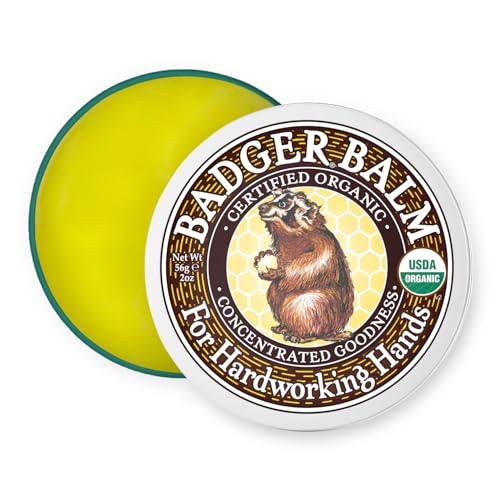
This is a concentrated, wax-based balm that excels in extreme climates or for hands exposed to the drying effects of spinning dry, static-prone wool. It creates an occlusive seal that traps moisture deep within the skin.
Because it contains beeswax and essential oils, the texture is quite heavy. It is perfect for an overnight intensive treatment, applied before wearing cotton gloves to bed.
It does not contain synthetic fragrances or additives, which is a major benefit for those with skin sensitivities. It is a slow-absorbing, high-impact choice for repairing damage caused by seasonal dryness or heavy fiber processing.
O’Keeffe’s Working Hands: Best Overall Value

This cream is designed to increase moisture levels significantly while forming a protective layer on the surface of the skin. It is the industry standard for a reason: it is effective, affordable, and widely available.
The formula is non-scented and non-greasy, which makes it safe to use even when handling fine-gauge yarns. It does not contain oils that might stain natural fibers or leave a tacky feeling on needle surfaces.
It is particularly useful for knitters who struggle with cracked fingertips, which can snag yarn and distort gauge. Regular use ensures that the skin remains smooth, preventing the “hooking” effect that can ruin a project’s stitch definition.
How to Choose the Right Cream for Your Craft
The choice of hand cream depends entirely on the stage of the fiber arts process. Before dyeing or cleaning, prioritize protective barrier creams that prevent staining. During active knitting, favor non-greasy, fast-absorbing formulas.
Consider the fiber itself; synthetic blends are less sensitive to residues than delicate, untreated mohair or silk. If the hands feel tacky after application, the cream is likely too heavy for active work.
Always check the ingredient list for heavy mineral oils or silicones if there is a concern about residue transfer. The goal is to reach a state of skin health where the hands are smooth enough to glide across the yarn without snagging.
A Pre-Dye & Post-Dye Hand Care Routine
Begin any dyeing session by applying a barrier cream to clean, dry hands. This step prevents deep stains and keeps the skin protected from the harsh pH levels of many dye baths.
After cleaning, use a mild, ph-balanced soap to remove any lingering dye particles. Follow this immediately with a heavy-duty, emollient-rich cream to rehydrate the skin.
Consistency is more important than product cost. A simple routine of barrier protection followed by deep overnight repair will do more for hand health than sporadic, high-end treatments.
Barrier Creams vs. Moisturizers: Know the Diff
Barrier creams sit on top of the skin, creating a physical shield against water, dyes, and dirt. They are the first line of defense during “dirty” fiber tasks like skirting a raw fleece.
Moisturizers, by contrast, are designed to penetrate the skin and replenish hydration levels. These are essential for maintenance and recovery after the skin has been exposed to drying elements.
A balanced hand care kit should include at least one of each. Using a moisturizer alone will not stop dye from soaking into the skin, and using a barrier cream alone will not repair deep, cracked skin.
Will Hand Cream Damage Your Yarn or Fiber?
Most commercial hand creams are safe for yarn if allowed to dry completely. However, heavy, oil-based products can leave a residue that acts like a magnet for dust and lint.
If the yarn feels “tacky” after being held, the cream was not fully absorbed. This can negatively impact the drape of a finished garment or interfere with the blocking process.
When in doubt, apply creams at least 15 to 20 minutes before picking up the needles. This allows the ingredients to penetrate the epidermis, leaving the skin supple but the surface dry to the touch.
Maintaining healthy, hydrated hands is just as vital to the fiber arts as choosing the right needle or the perfect wool blend. By balancing the use of protective barrier creams with restorative moisturizers, you ensure your skin remains a tool for your craft rather than a liability. Invest in a routine that suits the rhythm of your making, and your hands—and your projects—will certainly thank you.