6 Best Craft Markers For Labeling Sand Jars To Try
Organize your collection with ease. Discover the 6 best craft markers for labeling sand jars to ensure clear, long-lasting results. Read our expert guide today!
Organizing a stash of beautiful, hand-dyed yarns often involves storing smaller portions or notions in sand jars to keep them dust-free and visible. Labeling these glass containers requires a marker that can withstand the inevitable shifting of jars on a craft room shelf. A high-quality paint marker transforms a simple glass jar into a professional storage solution, ensuring that fiber content, yardage, or dye lot numbers never get lost in the shuffle. Choosing the right tool depends on whether the goal is fine, intricate script or bold, easy-to-read headers for quick reference.
Sharpie Oil-Based Paint Marker: Best All-Rounder


The oil-based Sharpie is the industry standard for a reason. It balances a smooth flow with a quick-drying formula, making it ideal for marking glass jars that might be handled frequently during a busy knitting session.
Because the ink is oil-based, it resists the light oils found on human fingertips. This is essential when grabbing for a specific needle gauge or a spare stitch marker, as the lettering remains crisp rather than smearing.
The fine tip allows for enough precision to write “Sock Weight, 100% Superwash Merino” on a small jar lid without cluttering the surface. It is a reliable, no-fuss choice for any crafter.
Sakura Pen-Touch Paint Marker: For Fine Details
When the storage system requires labels with tiny, elegant script, the Sakura Pen-Touch is the preferred instrument. Its nib is remarkably consistent, preventing the “ink blobs” that often ruin a neat label.
Precision is critical when managing extensive collections of delicate lace-weight fibers or specialized embroidery threads. These markers glide over the smooth surface of glass without skipping, providing a professional look that rivals heat-transfer vinyl.
Avoid pressing too hard during the initial flow, as the ink is highly pigmented and can pool if the tip is flooded. A light, steady hand results in the cleanest lettering.
Posca Paint Pens: Most Vibrant Color Options
Posca markers are famous for their opaque, matte finish that stands out against any colored sand or fiber stored inside the jar. If the goal is to color-code storage by yarn weight or fiber type, the range of shades available here is unmatched.
These water-based acrylic markers dry quickly and cover glass with a single pass. However, because they are water-based, they are slightly more prone to scratching if the jars are kept in a crowded, high-traffic environment.
For the best results, allow the ink to cure fully before stacking the jars. While the color payoff is superior, these markers require a bit more patience during the drying phase.
DecoColor Premium Paint Marker: Best for Opacity
DecoColor markers provide a rich, heavy-duty layer of paint that is virtually opaque on the first stroke. This is the top choice for labeling jars that sit in bright sunlight, where translucent ink might fade or disappear against a light background.
The metallic shades offered in this line are particularly effective for labeling dark-tinted or amber glass jars. They provide a high-contrast finish that is easy to read from across the room, even in low light.
These markers do have a strong scent due to their solvent base, so ensure the craft space is well-ventilated during the labeling process. The durability is worth the temporary need for airflow.
Artistro Acrylic Paint Pens: Great for Beginners
Artistro markers act as a bridge between high-end professional tools and accessible craft supplies. They feature a pump-action tip that ensures the ink stays flowing, which is helpful for those who might be intimidated by the quick-drying nature of oil-based markers.
Because they are acrylic, they are easier to fix if a letter is slightly askew. A damp cloth can wipe away a mistake before the ink fully bonds to the glass surface.
These are excellent for crafters who prefer a larger, bolder font. They are forgiving, versatile, and work well on a variety of surfaces beyond glass, such as wood or plastic notions boxes.
FolkArt Glass Paint Pens: Designed for Glassware
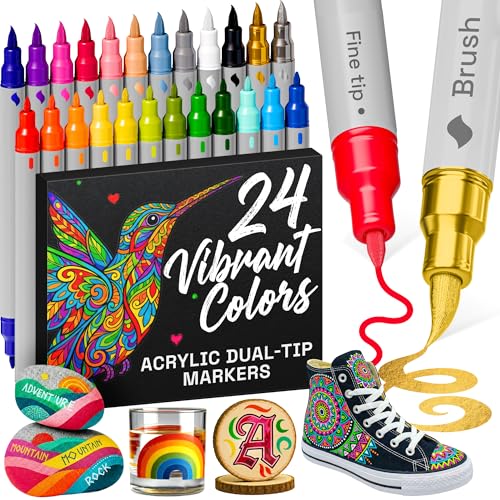
These pens are specifically engineered to bond with silica-based surfaces. While other markers might bead up on slippery glass, FolkArt ink is formulated to grip the surface immediately upon contact.
If a jar is destined for the dishwasher or frequent cleaning, these are the most robust option. Once cured, they are remarkably resistant to moisture and accidental bumps against hard surfaces like metal knitting needles or scissors.
Follow the specific curing instructions on the package to ensure longevity. Some require a brief bake in an oven, which provides a permanent, professional-grade finish that will not flake off over time.
How to Prep Your Jars for Perfect Lettering
Glass surfaces are often covered in invisible, oily residues from manufacturing or handling. Even a tiny fingerprint can prevent ink from adhering correctly, leading to peeling labels later on.
Start by wiping the designated area with a lint-free cloth soaked in rubbing alcohol. This removes all grease, ensuring the marker makes direct contact with the glass.
- Step 1: Wash the jar in warm, soapy water to remove dust.
- Step 2: Dry completely with a clean towel.
- Step 3: Use an alcohol wipe to degrease the specific labeling zone.
- Step 4: Allow the surface to air dry for one minute before writing.
Sealing Your Labels to Make Them Last Longer
Even the most durable paint marker can eventually wear down if the jar is constantly gripped or moved. Applying a thin layer of clear sealant acts as a protective shield, locking the ink in place.
Use a clear, matte, or gloss acrylic spray varnish to coat the label. Spray from about ten inches away in short, controlled bursts to prevent runs or dripping.
If the jars will be handled by oily hands, consider a thin layer of decoupage glue like Mod Podge. This provides a physical barrier that is significantly tougher than the ink itself.
Oil-Based vs. Acrylic Markers: Which Is Best?
The choice between oil-based and acrylic markers often comes down to the environment in which the jars will be stored. Oil-based markers are inherently more durable and resistant to water, but they emit stronger fumes during application.
Acrylic markers are safer for use in enclosed spaces and easier to clean up if a mistake occurs. However, they are generally water-soluble and can be damaged if exposed to high humidity or frequent washing without a sealant.
- Choose Oil-Based if: The jars will be moved constantly, stored in humid conditions, or handled with oily hands.
- Choose Acrylic if: You are prone to making mistakes, prefer a wide range of colors, or are working in a small, poorly ventilated room.
Fixing Mistakes: How to Remove Marker from Glass
Mistakes are inevitable, but they are never permanent when working on glass. The smooth, non-porous surface is one of the most forgiving canvases for a crafter.
If the ink is still wet, a simple swipe with a dry paper towel will remove the majority of the pigment. For dried ink, use a cotton swab dipped in rubbing alcohol or nail polish remover to target the specific error without smudging the surrounding text.
For particularly stubborn, cured marks, use a sharp craft blade held at a low angle to scrape the ink away. Glass is hard enough that it will not scratch easily, leaving the jar ready for a fresh, corrected label.
Using the right marker is a small detail that pays dividends in organization and efficiency for any fiber enthusiast. By taking the time to prep the surface and choose the correct ink type, your labeling efforts will last as long as the yarn stash itself. Investing in the right tool early prevents the frustration of unreadable labels later in the creative process. A well-organized craft space is truly the foundation for every successful project, so start labeling with confidence today.