7 Best Translucent Rulers For Alignment On Patterned Fabric
Achieve perfect precision with these 7 best translucent rulers for alignment on patterned fabric. Shop our top picks to improve your sewing projects today.
Working with patterned fabric requires a level of precision that often eludes the casual crafter. When aligning stripes or matching delicate floral repeats for project bags or garment linings, the clarity of a ruler determines the success of the cut. Standard opaque tools often mask the very lines needed for perfect placement. These seven rulers prioritize transparency and stability to ensure the fabric stays exactly where intended during the cutting process.
Omnigrid Non-Slip Ruler: Best Overall Choice


Precision cutting starts with stability, and the Omnigrid Non-Slip Ruler excels by combining a clear surface with a proprietary bottom coating. This grip prevents the ruler from sliding across slick cottons or shifting silks during the crucial moments before the rotary blade strikes.
The high-visibility neon grid lines stand out against both light and dark patterns, making it easier to line up grainlines. While some rulers require extra pressure to stay put, this design allows for a light, steady touch that reduces hand fatigue during long cutting sessions.
Bottom line: Choose this for general-purpose work where reliability and visibility are the top priorities.
Creative Grids Square Ruler: Top for Fussy Cutting
Fussy cutting demands the ability to isolate a specific motif within a pattern repeat. Creative Grids square rulers feature black and white markings that disappear when placed against the fabric, allowing the user to focus solely on the design element being centered.
The turn-around feature is the true standout here. Every edge is marked with consistent, easy-to-read numbers that don’t require rotating the fabric or the tool awkwardly to confirm measurements.
Bottom line: If specific pattern placement is the primary goal, the square shape provides the best frame for isolating motifs.
Fiskars Rotating Mat & Ruler: Best for Small Pieces
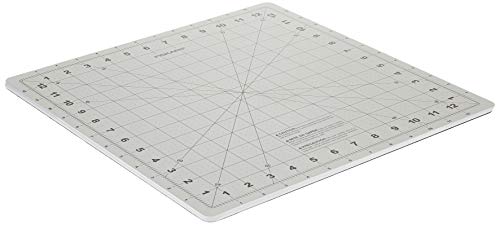
When cutting small components for complex piecing or applique, the ability to rotate the work without moving the fabric is a massive advantage. This system combines a stable ruler arm with a spinning base, ensuring that angles remain consistent without manual repositioning.
The ruler arm remains locked in place while the mat spins, keeping the alignment consistent relative to the blade. This setup is particularly effective when working with slippery, lightweight fabrics that tend to distort if handled too frequently.
Bottom line: This is the ideal investment for those who frequently cut small, repetitive geometric shapes.
Arteza Quilters Ruler Set: Best Value Pack
Investing in a full range of sizes is often necessary for diverse projects, and a bundled set provides immediate versatility. Arteza’s set includes multiple lengths, covering everything from thin stripping to large-scale block squaring.
The markings are crisp and durable, resistant to the scratching that often occurs when metal blades catch the edge of inferior plastic. While the material is slightly thinner than premium professional options, the value for a complete workshop setup remains unmatched.
Bottom line: This is the most practical choice for a beginner building a comprehensive toolkit on a budget.
Dritz See-Thru Ruler: The Most Flexible Option
Flexibility is a double-edged sword, but the Dritz See-Thru ruler offers just enough give to be useful without being flimsy. Its lighter weight makes it highly portable for travel kits or sewing retreats where packing space is at a premium.
Because the material is slightly more pliable than rigid acrylic, it is less prone to shattering if dropped on a hard floor. It sits flush against the fabric, providing a clear line of sight that makes identifying grainlines straightforward and efficient.
Bottom line: Select this for portability and situations where a rigid, heavy tool feels unnecessarily cumbersome.
Olfa Frosted Advantage Ruler: For Low-Glare Work
Glare from overhead lighting can turn a simple cutting task into an exercise in eye strain. The frosted finish on the Olfa Advantage line diffuses light, eliminating the reflective hot spots that often obscure fabric markings.
The non-slip ring integrated into the bottom is a functional highlight that keeps the ruler anchored. It strikes a balance between professional-grade durability and user-friendly features, specifically targeting those who spend hours at their cutting table.
Bottom line: This is the go-to tool for anyone who struggles with light reflection or eye fatigue during detailed pattern alignment.
Clover Bias Ruler: Perfect for Aligning Stripes
Aligning diagonal patterns, such as bias-cut stripes or chevron prints, requires specific angular markings. The Clover Bias Ruler features dedicated lines for 45-degree angles, which are essential for true bias work in garment construction.
The transparent nature of the plastic allows the underlying stripes to show through clearly, making it simple to maintain the required angle across the entire width of the fabric. It removes the guesswork often associated with finding the diagonal of a grainline.
Bottom line: For those who specialize in bias-bound edges or chevron-patterned garments, this is an indispensable specialty tool.
How to Choose the Right Ruler for Your Project
Selecting the correct tool depends entirely on the scale of the project and the nature of the fabric. Heavyweight fabrics require thicker, sturdier acrylic rulers that won’t bow under pressure, while delicate silks benefit from lighter, thinner options that sit flat.
Always consider the length of the cuts being made. A 6-inch square is perfect for fussy cutting motifs but becomes a liability when trying to cut long, straight borders. Ensure the grid markings align with the specific measurement system—imperial or metric—used in the project pattern.
Bottom line: Match the ruler size to the largest cut required for the project to ensure accuracy across every edge.
Tips for Reading Grids on Patterned Fabric
Reading a grid over a busy print requires patience and the right lighting. Always position the cutting mat so that the light source hits the fabric from the side, reducing the shadow cast by the ruler’s edge.
When aligning a grid to a stripe or print, choose a single, prominent line on the fabric to act as the “master” axis. Align the ruler’s primary grid mark to this line first, then verify the secondary measurements. This anchors the ruler and prevents the common error of “drifting” while lining up multiple edges.
Bottom line: Rely on a single primary reference point rather than trying to align every inch of the fabric at once.
How to Care For Your Rulers and Prevent Cracking
Rulers are precision instruments, and their lifespan depends on how they are stored and handled. Never store rulers leaning against a wall or in a stack where they can bend under the weight of other tools.
Keep them away from direct heat sources, such as nearby radiators or sunny windows, which can warp the acrylic over time. To clean, use a gentle wipe with a damp, microfiber cloth, avoiding harsh chemicals that can cause the plastic to craze or crack.
Bottom line: Lay rulers flat in a dedicated drawer or hang them on a pegboard to maintain their shape and accuracy for years of use.
Choosing the right translucent ruler is a subtle but critical shift in your workflow that translates directly to sharper, more professional results. By matching the tool’s specific strengths—whether that be anti-glare finishes or bias-cutting capabilities—you ensure that the beauty of your patterned fabric remains the focal point of the finished piece.