6 Best Sewing Cabinets For Large Trim Inventory
Organize your workspace with the 6 best sewing cabinets for large trim inventory. Read our expert guide to find the perfect storage solution for your craft room.
Trimming a finished lace shawl or adding a delicate silk ribbon to a hand-knit cardigan requires more than just high-quality notions; it demands an organized environment where these materials remain pristine. When a collection of trims grows beyond a few loose spools, standard storage often leads to tangled lace and crushed ribbons. Finding the right cabinet transforms a chaotic craft room into a functional workspace, ensuring every decorative element remains accessible for the next project. The following guide highlights the best storage solutions designed to protect delicate fibers while maximizing inventory capacity.
Arrow Bertha Sewing Cabinet: Best Overall Capacity


The Arrow Bertha is designed for those who maintain massive, ever-expanding inventories of lace, ribbons, and trims. Its sheer volume of storage allows for the systematic categorization of fibers, preventing the common issue of silk ribbons snagging on rough edges or dust accumulation.
This unit offers a massive workspace and deep drawer capacity. For the dedicated maker, this means the ability to store entire collections of variegated yarns alongside bolts of lace, keeping them out of direct sunlight to prevent fiber degradation.
The footprint is significant, requiring a dedicated room or a large corner of a studio. However, for those who regularly switch between intricate techniques—such as moving from heavy wool colorwork to delicate silk-trimmed accessories—the sheer organizational power is unmatched.
Kangaroo Bandicoot II Cabinet: Best Compact Option
Space efficiency is paramount for those living in apartments or shared craft areas. The Kangaroo Bandicoot II manages to provide a surprising amount of vertical storage in a footprint that won’t overwhelm a standard bedroom or small studio.
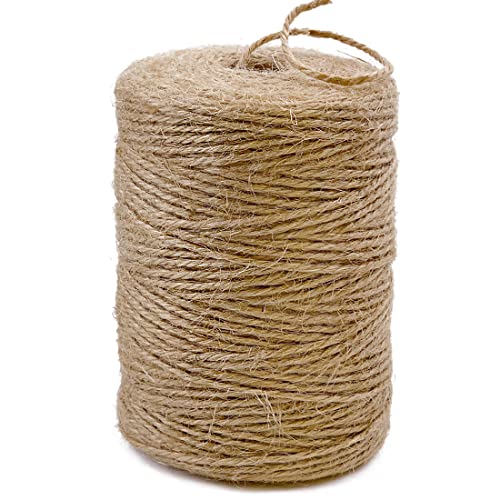
Its strength lies in the adjustable shelving, which is perfect for organizing trims by texture or fiber content. Whether storing rough jute twine or delicate polyester lace, the adjustable shelves accommodate various spool sizes without wasted vertical space.
The cabinet is a masterclass in compromise. While it lacks the expansive surface area of larger units, it excels at keeping a focused inventory visible and reachable. It is the ideal choice for those who need to maintain order without sacrificing their entire living space.
Sauder Craft Pro Series Armoire: Most Versatile
Versatility in a sewing cabinet often determines whether a piece of furniture remains useful as project needs evolve. The Sauder Craft Pro Series Armoire features a modular design that can house anything from heavy cones of cotton yarn to delicate spools of satin ribbon.

The cabinet is particularly well-suited for the knitter who works with diverse materials, such as combining mohair with specialty metallic trims. Its adjustable storage configurations allow for both vertical spool storage and flat storage for folded lace, protecting the structural integrity of the fibers.
While it lacks the heavy-duty industrial framing of premium sewing-specific cabinets, its accessibility is excellent. It serves as a central hub where all essential notions live in one place, reducing the time spent searching through scattered boxes.
Bestå Storage Combination: Best Customizable System
The Bestå system allows for a highly personalized setup tailored to the specific dimensions of a ribbon or lace collection. By mixing shelves, drawers, and glass-front doors, the user can create a bespoke storage wall that keeps materials organized by type or color.
Customization is the primary advantage here. One can dedicate specific drawer depths to thin lace trims while reserving shelf heights for larger spools of yarn or bulkier notions, ensuring that no space goes to waste.
One must be careful with assembly and configuration, as the system is modular rather than a singular unit. However, the ability to tailor the interior to the exact needs of a fiber artist makes it a favorite for those who value precision and order above all else.
Horn 8479 Tall Sewing Cabinet: Premium Choice
The Horn 8479 is a heavy-duty option built for the serious maker who expects their furniture to withstand decades of daily use. Its premium construction ensures that drawers glide smoothly, which is essential for protecting delicate lace that might snag on inferior tracking systems.
This cabinet is an investment in durability. For knitters who frequently work with luxury fibers—like cashmere or silk—the clean, snag-free environment is vital. The sturdy shelves and deep drawers provide the structural support needed to keep heavy inventory well-organized.
While the price point is elevated, the return on investment comes through the longevity of the piece and the physical safety of the inventory. It is the logical next step for a maker who has moved beyond casual projects and into consistent, high-end production.
Koala Studios TreasureChest: Ultimate Organization
The TreasureChest is essentially a high-end command center for notions and trims. Its design focuses on visibility and rapid access, which is invaluable when working on complex projects that require multiple types of decorative trim to be auditioned against a garment.
The internal storage layout is intuitive, featuring specialized drawers that can be fitted with organizers. This prevents smaller spools of lace from rolling into the back of a deep drawer, a common point of frustration for those dealing with hundreds of small items.
It is arguably the most “knitter-friendly” design in terms of ergonomics and inventory management. By keeping every spool at eye level or within easy reach, it removes the friction between wanting to add a decorative touch and actually performing the work.
How to Choose a Cabinet for Your Trim Collection
- Assess your volume: Determine if the trim is stored on large spools, flat cards, or folded in lengths.
- Prioritize accessibility: If you use trims frequently, choose a cabinet with open shelving or shallow drawers.
- Consider environment: Ensure the cabinet is placed away from heat sources and direct sunlight to prevent fiber drying or color fading.
- Measure your space: Account for the cabinet’s full footprint, including the clearance needed to open doors or pull out drawers fully.
Key Features for Storing Ribbons and Lace
- Adjustable Shelving: Essential for accommodating different spool diameters and heights.
- Smooth-Glide Drawers: Minimizes the risk of snagging delicate lace fibers on mechanical components.
- Vertical Dividers: Keeps spools upright, preventing them from falling over and tangling with neighbors.
- Acid-Free Surfaces: Important if storing vintage or natural fiber trims for long durations to prevent yellowing or degradation.
DIY Drawer Dividers for Organizing Trims
For those who already own a cabinet but lack specific organizational tools, DIY dividers are a simple, cost-effective solution. Using foam core board or thin plywood, one can create custom-sized compartments within existing drawers.
Measure the interior dimensions of the drawer carefully before cutting any materials. This ensures a snug fit, which prevents the dividers from shifting when the drawer is opened or closed, keeping even the smallest trims perfectly sorted.
Consider lining the dividers with soft fabric or felt if storing delicate lace. This prevents the fibers from catching on the edges of the divider materials, maintaining the quality of the trim for years to come.
Cabinet vs. Armoire: Which is Right for You?
Choosing between a dedicated sewing cabinet and a general-purpose armoire depends on the weight and type of the inventory. Cabinets often come with specialized features like lift mechanisms or reinforced shelving specifically designed to handle the weight of bulk yarn and heavy notions.
Armoires provide more vertical height and are generally better suited for storing long bolts of fabric or larger, less frequently used items. They offer a cleaner aesthetic in a living space but may lack the specialized, granular organization found in sewing-specific cabinetry.
Ultimately, prioritize the nature of the collection. If the inventory consists primarily of thousands of tiny lace spools, a sewing cabinet with shallow, multi-tier drawers is superior. If the collection includes large bolts and bulky supplies, an armoire provides the necessary breathing room.
An organized trim collection is the hallmark of a serious fiber artist. By selecting a storage solution that aligns with the specific physical needs of delicate laces and ribbons, one ensures that these precious materials remain in peak condition. Whether opting for a compact unit or an expansive premium studio cabinet, the investment in proper storage will pay dividends in project efficiency and creative joy for years to come.