6 Best Instructional Planners For Project Tracking
Streamline your classroom management with these 6 best instructional planners for project tracking. Discover the perfect tool to organize your lessons today.
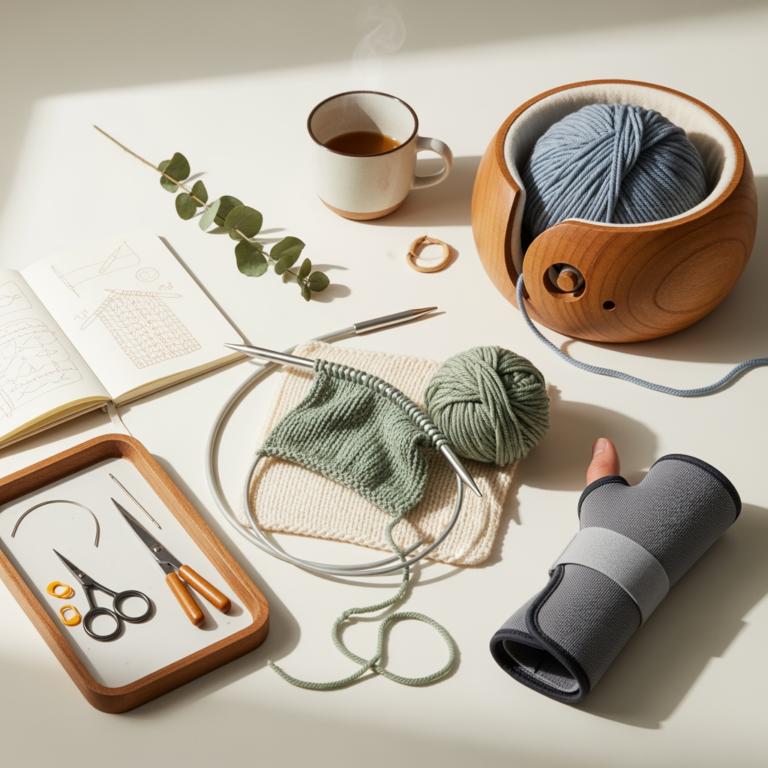
The difference between a frantic search for a lost needle size and a peaceful, productive knitting session often comes down to documentation. When multiple works-in-progress (WIPs) start competing for space in your project bag, keeping track of gauge, yarn dye lots, and modifications becomes a technical necessity rather than a hobbyist’s chore. Staying organized allows the creative flow of a complex lace shawl or a stranded colorwork sweater to remain uninterrupted. These six planners offer distinct systems to manage the technical and creative demands of any fiber arts practice.
The Knitter’s Keep: Best for Detailed Tracking


The Knitter’s Keep functions less like a simple notebook and more like a structured laboratory for your yarn stash and active projects. It excels in environments where precision is non-negotiable, particularly when managing complex charts or multiple yarn components in a single garment.
The primary strength here lies in the specialized layout, which forces documentation of critical technical specs that many knitters forget until it is too late. It prompts for details like fiber content, yardage, and, most importantly, the exact needle material used for a specific gauge swatch.
If you frequently swap between wooden needles for slick fibers like silk or alpaca and metal needles for grippy, wool-based yarns, this system helps you reconcile those performance differences. The downside is its weight and size; it is better suited for a dedicated craft room than a small handbag.
Laine’s My Making Journal: Most Beautiful Design

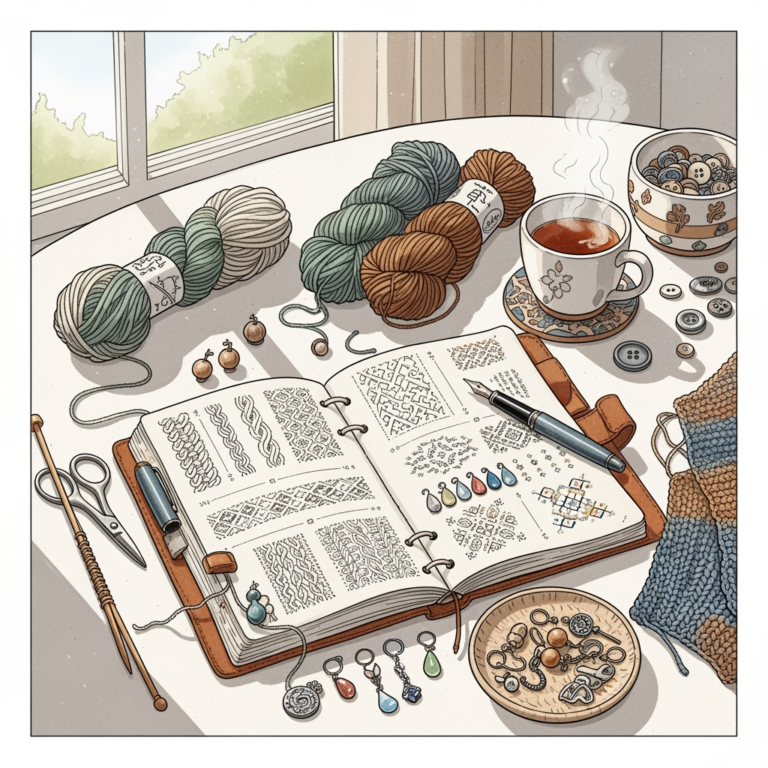
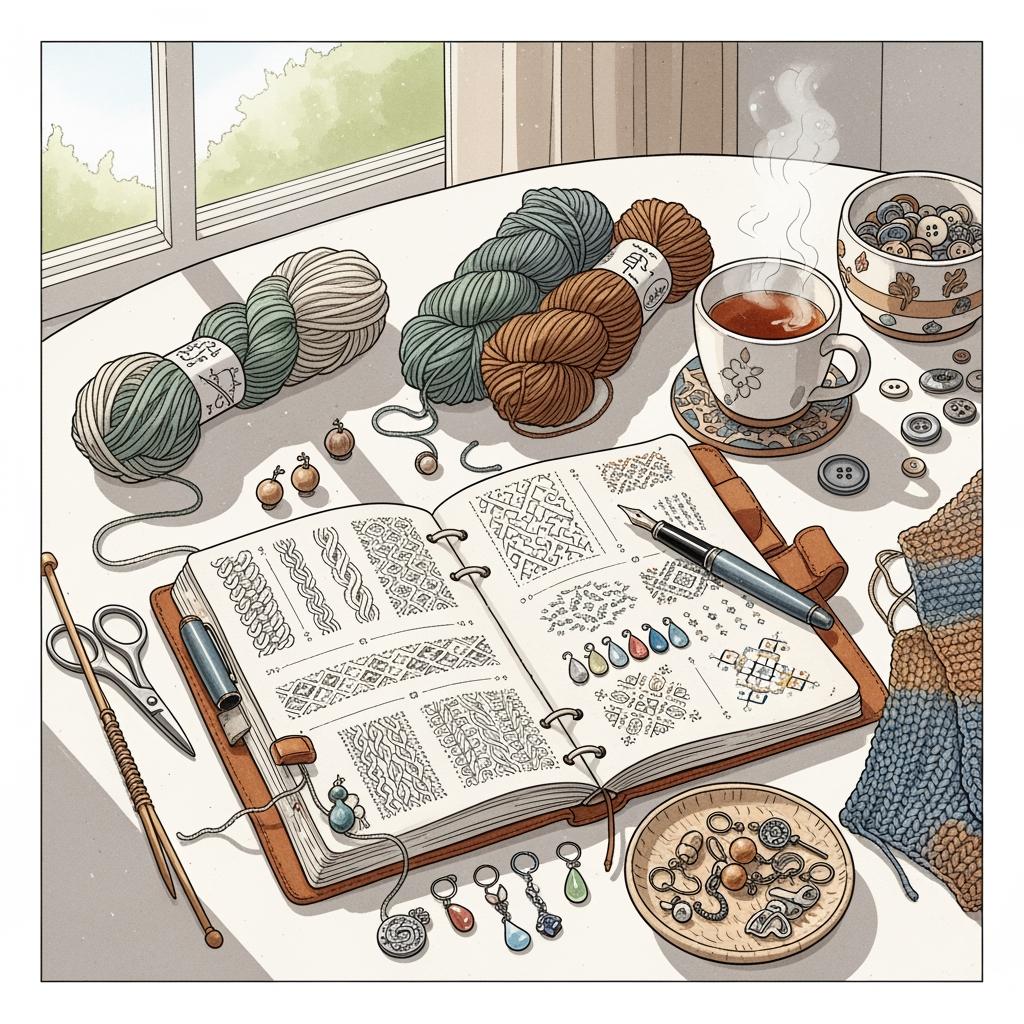
Design quality in a project planner serves a functional purpose: it encourages the habit of consistent documentation. Laine’s journal manages to feel like a premium keepsake while providing just enough structure to track the lifecycle of a garment from swatch to blocking.
The layout is clean and minimalist, favoring space for sketches and notes over rigid, automated forms. This makes it a superior choice for makers who view their knitting as an evolving craft rather than a series of checklist items.
The heavy, high-quality paper stands up well to ink, which is essential if you use technical pens to chart custom stitch patterns. It lacks the deep, granular project-management fields found in more analytical planners, but it excels at capturing the artistic journey of a project.
Knit & Note Project Journal: Best Budget Option
Accessibility is the hallmark of the Knit & Note approach, stripping away excess weight to provide a straightforward tracking system. It provides exactly what is needed to manage a queue without the pressure to turn every project into a documentation masterpiece.
This is the ideal choice for those who are currently balancing two or three WIPs and need a consistent way to track rows and modifications. It is small enough to tuck into a project bag alongside a set of interchangeable needles or a darning needle case.
While it lacks the heavy-duty features of more expensive options, its portability ensures you never leave your notes behind at a local knit night. If your primary goal is basic utility rather than archiving memories, this budget-conscious option delivers the best return on investment.
The Ultimate Knitter’s Planner: Top All-In-One
This planner operates as a comprehensive management hub, incorporating calendar functions alongside deep-dive technical tracking. It is designed for the knitter who treats their craft with the same administrative rigor as a professional project manager.
The inclusion of reference tables—such as standard yarn weight categories, needle conversions, and basic sizing formulas—removes the need to flip through disparate guidebooks. These resources are invaluable when you decide to substitute yarn for a pattern and need to calculate yardage adjustments on the fly.
Because it is an all-in-one system, it can become quite thick and heavy as the year progresses. It is best suited for a home workspace where it remains stationary, serving as a reliable repository for all your creative history.
Field Notes 3-Pack: Best for On-the-Go Notes
There is a distinct advantage to using a pocket-sized notebook for knitting: it captures the “in-the-moment” adjustments that are so easily forgotten. When you decide to add an extra repeat to a lace chart while sitting on the bus, a full-sized planner is rarely within reach.
The Field Notes 3-Pack offers a modular approach to tracking. You can dedicate one notebook to a single complex project, keeping your notes on cable modifications and row counts physically attached to the project itself.
The tradeoff is the lack of standardized forms; you must develop your own shorthand or grid system to keep your notes consistent. However, for the knitter who values spontaneity and minimalist gear, this system is unmatched in its flexibility.
Erin Condren LifePlanner: Best Customizable Pick
The LifePlanner is unique because it forces a marriage between your daily calendar and your knitting schedule. It is the perfect tool for knitters who need to track deadlines, such as gifts intended for birthdays or holidays, alongside their rows per day.
Because of its modular nature, you can add specialized inserts or stickers to track stash inventory or needle collections. This level of customization allows you to evolve the system as your skill level increases and your fiber stash expands.
It is arguably the most versatile of the group, though it requires an initial time investment to set up your specific tracking pages. If you prefer a digital-analog hybrid approach where your life and your craft live in the same place, this is the most effective solution.
What to Look For in a Knitting Project Planner
When choosing a planner, prioritize features that solve your specific pain points. If you struggle with inconsistent gauge, look for a planner that features dedicated sections for pre- and post-blocking measurements.
- Project History: Sufficient space to record the yarn label info, specifically the lot number and fiber content.
- Needle Inventory: A dedicated section to track your needle collection, as this prevents the common error of starting a project with the wrong size.
- Modification Logs: Ample room to document sizing adjustments for sleeves, body length, or neckline shaping.
- Stash Tracking: A way to link the yarn you currently own to the projects you are planning.
Avoid planners that rely too heavily on pre-printed advice that might not apply to your unique style. A good planner should be an empty vessel that adapts to your habits, not a rigid set of rules that forces you to knit a specific way.
Digital vs. Analog: Which Tracker is Right for You?
Digital trackers offer the convenience of instant calculations and easy editing, which is excellent for complex lace patterns or large-scale sweaters. They allow you to search through years of projects with a few clicks, making them the superior choice for organization-focused knitters.
However, analog planners provide a sensory experience that digital screens cannot replicate. The act of physically writing down a row count or noting the “feel” of a new fiber helps encode the information in your brain.
Many successful knitters utilize a hybrid approach, using apps for quick row counting and a physical journal for recording final project specs and personal notes. Acknowledge that the “perfect” system is simply the one you actually use on a daily basis.
Key Information to Track for Every WIP You Have
Regardless of the format you choose, certain data points are essential for long-term success. Always record the exact brand, colorway, and dye lot of your yarn to ensure you can source more if you run short mid-garment.
Include your row gauge and stitch gauge before and after blocking, as fiber properties change significantly once washed. For example, a superwash wool will grow substantially, while a high-twist cotton or linen may remain stable or shrink slightly.
Note any specific modifications you made, such as adding length to the torso or widening the sleeves, as these are the details you will inevitably forget when you want to replicate a garment later. Keep a small scrap of the yarn attached or taped to the page for future reference.
How to Set Up Your Planner for Maximum Success
Start your planner setup by establishing a consistent workflow for every new cast-on. Write down your planned needle size, the yarn being used, and the goal date for completion immediately, even if the project is just an experimental swatch.
Create a “Table of Contents” at the front of your notebook to reference where specific projects are located. If you are using a loose-leaf or binder-style planner, use dividers to separate your “Active WIPs” from “Finished Objects” and “Future Queue.”
Finally, make it a habit to close your knitting session by writing one final note. Simply recording the last row completed or any tension issues noticed during that session will make it significantly easier to pick up the needles again the next day.
Success in knitting is found in the intersection of artistry and organization, and the right planner acts as the bridge between the two. Whether you choose the rugged reliability of a physical notebook or the structured guidance of a pre-formatted journal, the act of tracking your progress is the best tool for improvement. Start today, keep your notes simple but consistent, and watch how much more enjoyable your fiber journey becomes.