6 Best Index Tabs For Categorized Reference To Use
Organize your files with the 6 best index tabs for categorized reference. Compare top-rated durable designs to simplify your workflow. Shop our recommendations now.
Organizing a personal pattern library is as critical to success as choosing the right yarn for a gauge swatch. Without a clear system, valuable patterns often get buried under mountains of discarded swatches and half-finished projects. These index tabs act as the organizational scaffolding, keeping intricate lace charts and essential schematics within immediate reach. Investing in high-quality markers prevents the frustration of losing your place during a complex colorwork repeat.
Post-it Durable Tabs: Best for Pattern Books
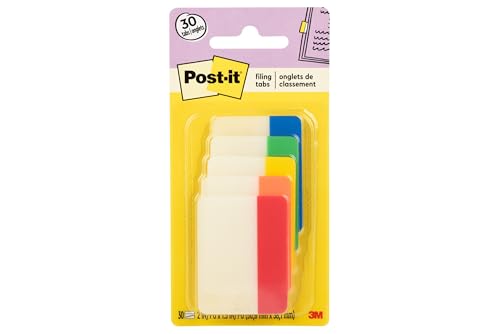

Pattern books endure significant wear and tear when tossed into project bags alongside metal needles and sharp scissors. Post-it Durable Tabs offer a reinforced edge that withstands the constant flipping and handling typical of active knitting.
These tabs are ideal for marking specific sections in hefty stitch dictionaries or multi-pattern anthologies. Because the tab portion is opaque and thick, it maintains its shape even when compressed between pages.
The primary tradeoff is the adhesive strength, which is strong enough to stay put but can eventually leave a residue on delicate paper. For thick, glossy-paged pattern books, these are the gold standard for permanence and longevity.
Avery UltraTabs: Most Durable & Repositionable

If your pattern organization is a work in progress, Avery UltraTabs provide the necessary flexibility to move sections around as your library grows. They feature a unique design where the adhesive portion is distinct from the tab, allowing for easy repositioning without tearing the page.
These are particularly useful for binders where categories like “Socks,” “Sweaters,” and “Shawls” might need to expand. They are thicker than standard stickers, providing a tactile edge that makes finding a specific cast-on instruction quick and effortless.
While they are highly durable, the slightly larger footprint can sometimes crowd a small margin. Choose these if your priority is a professional, orderly binder that can evolve alongside your increasing skill level.
Redi-Tag Divider Notes: Best for Adding Notes

Knitting often requires immediate, on-the-page corrections, such as noting a pattern modification or a change in needle size to meet gauge. Redi-Tag Divider Notes combine the functionality of an index tab with a dedicated space for writing.
These are perfect for marking a page where a specific adaptation was made, such as adding extra length to a sleeve. Having the space to write “Size M + 2 inches” directly on the tab prevents the need for separate sticky notes that tend to fall off.
Keep in mind that the paper surface on these tabs is best suited for ballpoint pens or permanent markers. Using a fountain pen or gel ink may result in smudging, which ruins the clarity of your essential project annotations.
Mr. Pen Sticky Tabs: Best Value Bulk Pack
When building a comprehensive library from scratch, the cost of supplies can add up quickly. Mr. Pen offers a substantial quantity of tabs at a lower price point, making them an excellent choice for organizing large stacks of individual printed patterns.
These tabs are thinner and more translucent than heavy-duty options, which is ideal if you prefer not to obscure the text of your printed instructions. They adhere well to standard printer paper and cardstock used for project sheets.
Because they are less rigid, they may lose their “pop” if handled aggressively. Use these for patterns you reference occasionally rather than the daily-use reference books that live at the bottom of your knitting bag.
TUL Discbound Tabs: For Your Custom Planner
Discbound systems are popular among knitters who prefer to mix and match printed pattern pages, grid paper for lace charting, and project trackers. TUL tabs are specifically designed to click into these systems, providing a seamless, integrated look.
Unlike adhesive tabs that stick to the page surface, these snap onto the discs themselves. This keeps the page edges clean and prevents the “bulk” that occurs when dozens of sticky tabs overlap in a binder.
The restriction is that these are system-specific and will not work in a standard three-ring binder. If your organization style relies on a modular, customizable planner, these are the cleanest, most efficient option available.
Kokuyo Index Stickers: Best Minimalist Option
For knitters who want to keep their pattern pages looking sleek and unencumbered, Kokuyo Index Stickers provide a subtle, elegant solution. These stickers are small and precisely designed, perfect for marking specific lines or rows within a complex chart.
The matte finish is visually pleasing and provides a professional aesthetic that doesn’t distract from the technical details of the knitting pattern. They are thin enough that they do not add significant weight or thickness to your pages.
They are less durable than thicker plastic options, so they are best suited for indoor reference materials rather than patterns intended for the travel bag. Use them for organizing your “favorites” pile or categorizing yarn swatches by fiber type.
How to Choose the Right Tabs for Your Project
The right index tab depends entirely on the intensity of your usage and the nature of the paper. For high-traffic reference books, opt for plastic-reinforced tabs that can endure frequent friction.
If you are sorting through loose-leaf patterns, consider the adhesive footprint. Stronger adhesives are better for long-term storage, while repositionable tabs are better for active, changing projects.
- Frequency of use: Thick, plastic-coated tabs for daily reference; paper-thin tabs for occasional lookups.
- Binding type: Adhesive tabs for standard binders; discbound tabs for custom systems.
- Annotation needs: Choose tabs with writing surfaces if you track modifications like gauge changes or fiber substitutions.
Plastic vs. Paper: What’s Best for Patterns?
Plastic tabs provide unmatched durability and resist the wear of being shoved into yarn bags. They are essentially permanent, standing up to the oils in fingers and the occasional exposure to moisture.
Paper tabs are thinner and often more visually aesthetic, but they tend to curl or fray over time. If a pattern is intended for a lifetime of reuse, plastic is the superior choice for longevity.
However, paper tabs are better for archives where you might want to write directly on the tab using a pencil. They also blend better into the page, preventing the distracting “clutter” that plastic tabs can create in a dense pattern book.
Organizing Your Pattern Binder With Index Tabs
A well-organized binder typically follows a logical hierarchy of categories. Start with broad sections based on garment type—such as sweaters, socks, and accessories—then utilize sub-tabs for specific techniques like cabling or lace.
Always place your tabs in a staggered pattern down the side of the binder. This “staircase” effect ensures that every label remains visible at a glance.
Avoid placing too many tabs on a single page, as this creates excess bulk that can bend the edges of your paper. If a section becomes too large, it is a sign that it is time to split the category into two separate sections.
FAQ: Are Index Tabs Safe For Old Books?
Many vintage stitch dictionaries are printed on acidic, brittle paper that requires careful handling. Traditional adhesive tabs can damage these pages, as the chemicals in the glue may react with the paper over decades.
For rare or antique books, avoid adhesive tabs entirely. Instead, use archival-grade, acid-free bookmarks or paper slips that do not require any adhesive to stay in place.
If you must mark an old book, use a non-adhesive, removable plastic clip that grips the page edge. This ensures that no residue is left behind, preserving the value and integrity of the original publication.
Organization is the unsung hero of a productive knitting practice, transforming a chaotic collection of printouts into a curated library of resources. By selecting the right index tabs based on durability, clarity, and ease of use, your patterns will remain accessible for every future cast-on.