7 Garment Steamers For Smoothing Knit Fabrics
Keep your knitwear looking pristine with our expert guide to the 7 best garment steamers. Discover your perfect fabric-smoothing tool and shop the top picks now.
Blocking is the final, transformative step that elevates a handmade project from a collection of stitches into a professional-grade garment. While wet blocking remains the gold standard for shaping, a high-quality garment steamer offers a precise, efficient way to relax fibers and smooth out uneven tension. Choosing the right tool depends on the scale of the knitwear and the specific fiber content of the yarn. The following guide breaks down the best steamers to ensure every project receives the perfect finishing touch.
Conair Turbo ExtremeSteam: Best Overall Handheld


The Conair Turbo ExtremeSteam balances portability with enough thermal output to handle heavy wool sweaters. Its wide metal faceplate allows for even heat distribution, which is critical when trying to avoid “steam pockets” that can inadvertently shrink or over-stretch delicate sections.
For knitters working with cables or complex texture, the consistent steam flow helps the stitch definition pop without the risk of crushing the yarn. It heats up in under a minute, making it ideal for quick touch-ups on garments that have sat in storage.
While it lacks the water capacity of a floor-standing unit, its ergonomic design prevents wrist fatigue during longer sessions. It is the perfect middle-ground tool for those who alternate between small accessories and full-sized garments.
Jiffy J-2000 Steamer: The Professional’s Choice

The Jiffy J-2000 is widely considered the industry standard for those who treat garment finishing with technical rigor. Its heavy-duty construction and rapid steam production make it capable of handling large-scale projects like floor-length cardigans or heavy blankets.
This steamer excels because it produces a “dry” steam that relaxes fibers without leaving the garment oversaturated with moisture. For fibers like mohair or cashmere, this gentle, consistent heat prevents the dreaded matting that can occur with improper steaming.
Because of its footprint, it is best suited for a dedicated craft room or studio. If the primary goal is high-volume, professional-grade finishing, the investment in a Jiffy unit is usually the last one a knitter ever needs to make.
Rowenta X-Cel Steamer: For Powerful Wrinkle Busting

The Rowenta X-Cel stands out for its high-pressure steam output, which is particularly useful for stubborn natural fibers like linen or heavy cotton blends. These fibers often hold creases more aggressively than animal fibers and require a more forceful approach to smooth out properly.
The inclusion of multiple attachments makes this a versatile companion for different garment weights. Using the fabric brush attachment allows for gentle agitation of the fiber surface, which helps lift flattened stitches back to their original loft.
However, caution is required with synthetic blends or delicate lace. Always test the output on a swatch first, as the high heat and pressure can quickly alter the stitch integrity if held too close for too long.
Beautural Handheld Steamer: Best Budget-Friendly Pick

Not every knitting project requires a professional-grade appliance, especially if the focus is primarily on hats, mittens, or small lace shawls. The Beautural Handheld Steamer offers a compact solution for those who need occasional steaming without the premium price tag.
It performs admirably on thinner, fingering-weight garments where a delicate touch is necessary. The quick heat-up time is perfect for freshening up a scarf before heading out the door on a chilly morning.
While it won’t tackle a heavy, aran-weight wool coat with the same efficiency as a full-size unit, it is more than sufficient for the majority of everyday wardrobe needs. It is an excellent entry-level choice for beginners just starting to explore the benefits of steam blocking.
Black+Decker Advanced: A Solid Everyday Performer

The Black+Decker Advanced steamer offers a balance of weight and steam volume that fits well into a busy household. It features a locking trigger, which is a significant relief for those suffering from repetitive strain issues, a common concern for dedicated knitters.
Its design is straightforward and intuitive, avoiding the complexity of higher-end models that often go unused by hobbyists. It works consistently on a variety of fiber types, from superwash wool to acrylic blends, without requiring constant recalibration of settings.
If the goal is a reliable tool that performs exactly as expected every time, this is a strong contender. It is a workhorse that removes the guesswork from simple blocking tasks.
Reliable Dash Portable Steamer: Best for Travel
For the knitter who participates in workshops, retreats, or long-term travel, the Reliable Dash is a standout tool. Its ultra-compact design fits easily into a project bag, ensuring that finished items don’t arrive at their destination looking crushed.
Despite its size, the steam performance is surprisingly robust. It is particularly effective for smoothing out fringe, lace points, or any delicate details that might have been flattened during transit.
When using a travel steamer, it is vital to remember that the water reservoir is smaller; monitor the levels closely to prevent the unit from running dry. It is the most practical choice for those who value maintaining their garment’s shape while on the move.
SALAV Pro Upright Steamer: Best Jiffy Alternative
The SALAV Pro provides an upright, floor-standing experience at a more accessible price point than traditional professional models. It features a built-in hanger and a garment board, which allows for a hands-free approach that is essential for shaping large pieces.
Being able to secure a garment to the board allows for precise pinning and positioning before the steam ever touches the fiber. This setup is superior for blocking sweaters to specific measurements, as the upright orientation prevents the weight of the water in the fabric from distorting the shape.
It is a great choice for a knitter who wants the professional experience of an upright unit without the industrial footprint of a Jiffy. The consistent, steady flow ensures uniform results across the entire back or front of a sweater.
Steaming Wool vs. Cotton: A Knitter’s Fiber Guide
Steaming is not a one-size-fits-all process because every fiber reacts differently to heat and moisture. Wool, an animal protein fiber, is elastic and “remembers” its shape, responding well to moderate steam that encourages fibers to relax and bloom.
Cotton, by contrast, is a plant-based cellulose fiber that lacks the natural crimp and elasticity of wool. It can easily become limp or overly stretched if steamed too aggressively, making it essential to use short, controlled bursts.
- Wool: Responds well to steam for opening up lace or evening out stockinette.
- Cotton/Linen: Requires cautious, light steaming to remove wrinkles without losing the fiber’s inherent structure.
- Synthetics: Use extreme caution, as high heat can permanently melt or damage the fiber, creating a sheen or a stiff, plastic-like texture.
How to Steam Block Knits Without Stretching Them Out
The most common error in steam blocking is physically pulling or dragging the garment while the fibers are warm and pliable. This leads to permanent distortion of the gauge, essentially undoing the work put into achieving the correct stitch density.
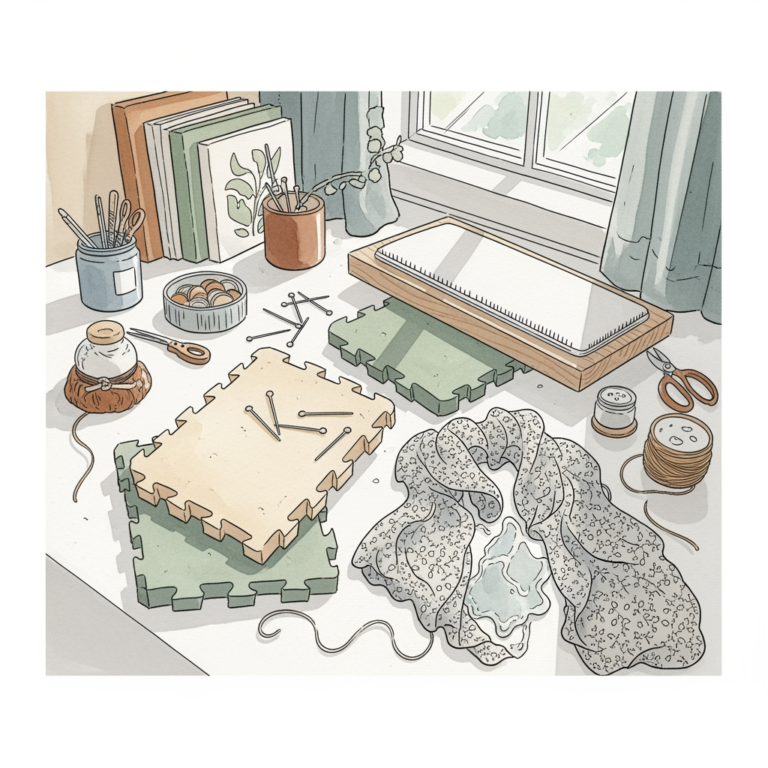
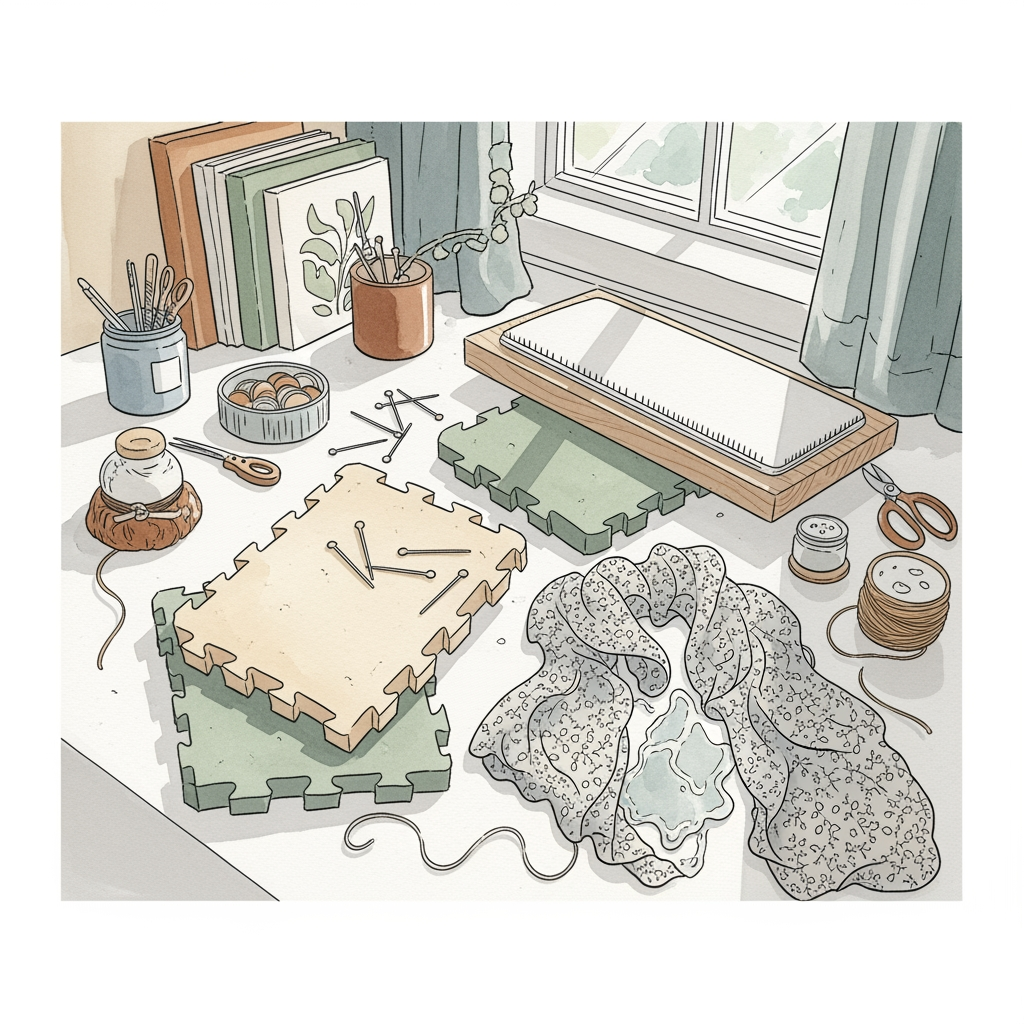
Instead of stretching, use the steam to gently “encourage” the fabric into shape while it lies flat on a heat-safe surface. Use pins to hold the garment to the desired measurements, then hover the steamer at least two inches above the fabric surface.
Never touch the iron or steamer head directly to the work, as this crushes the yarn’s twist and ruins the stitch definition. Allow the garment to cool and dry completely while pinned before moving or wearing it to ensure the shape “sets.”
Upright vs. Handheld: Which Steamer Do You Need?
The choice between an upright and a handheld steamer comes down to the volume and frequency of the knitting projects. Upright steamers are superior for blocking large, heavy sweaters because they provide the steam duration required to finish a full garment without constant refills.
Handheld units are perfect for the “finishing” knitter—those who prefer to wet-block their garments initially but want a handheld tool for quick refreshes or smoothing out small areas like collars and cuffs. They offer portability and ease of storage, which is a major benefit for those with limited space.
Consider the weight of the yarn: if a collection consists primarily of chunky knits and large blankets, the stability and power of an upright steamer are worth the investment. For a knitter focused on delicate lace shawls and light garments, a high-quality handheld steamer will be more than sufficient to achieve professional results.
Properly finishing a garment is just as important as the stitch technique used to create it, and a steamer is one of the most valuable tools in a knitter’s kit. By understanding the specific needs of different fibers and choosing a tool that aligns with personal project habits, you can ensure that every sweater, shawl, and accessory maintains its beauty for years to come. Ultimately, consistent care and the right equipment will transform your projects from handmade garments into heirloom pieces.