7 Best Foam Padding For Cushioned Insoles To Use
Discover the 7 best foam padding for cushioned insoles to upgrade your comfort. Explore our top expert-recommended picks and find your perfect fit today.
Standing for hours while blocking intricate lace shawls or working long sessions at a craft fair requires footwear that respects the feet as much as the needles. Generic insoles often lack the specific density needed to support the unique pressure points created by repetitive motion and long-term standing. Choosing the right foam padding allows makers to customize the interior of their favorite shoes for personalized comfort. This guide explores the best foam materials to ensure stamina stays high while the needles click.
Pellon Flex-Foam: The Crafter’s Go-To Choice


Pellon Flex-Foam is a staple in many sewing kits because it offers a perfect balance of loft and stability. It is essentially a layer of foam sandwiched between two layers of soft fabric, which prevents the material from tearing or bunching inside a shoe.
This foam is ideal for lightweight slippers or indoor knitting clogs. Because it is sew-in compatible, it holds its shape even after hours of foot traffic, making it a reliable choice for projects where the insole might be stitched directly into the footbed.
Do not expect heavy-duty shock absorption from this product, as its primary strength lies in its structure rather than its cushion. For those looking to add a soft lining to a pair of hand-knitted house shoes, it remains a top-tier choice.
ByAnnie’s Soft and Stable: Best for Structure
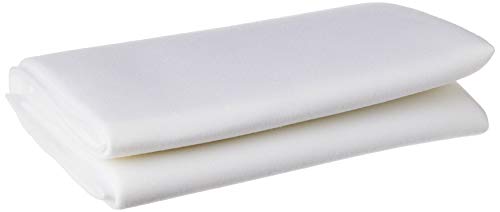
Soft and Stable stands out as a high-density, foam-based stabilizer that does not collapse under pressure. While often used for bags and structural sewing projects, its ability to maintain its loft makes it an excellent candidate for insoles that need to provide arch support.
The material is firm and consistent, ensuring that the foot does not sink in too deeply. For knitters who experience foot fatigue due to “mushy” insoles, this provides the necessary counter-pressure to keep the gait aligned.
It is thicker than standard craft foams, so ensure there is adequate room in the shoe to avoid a cramped fit. The trade-off for its structural integrity is a slightly stiffer feel compared to traditional cushioned gels.
The Foamory EVA Foam: Most Durable Option
EVA (Ethylene-Vinyl Acetate) foam is the industry standard for athletic footwear, and The Foamory provides high-quality sheets perfect for custom insoles. It is closed-cell, meaning it will not absorb moisture or foot odors, which is essential for shoes worn throughout the day.
This material excels at impact absorption, making it the best choice for those who do a lot of walking while working. It is resilient enough to handle repeated compression without losing its shape, mirroring the longevity of a well-cared-for wool garment.
However, cutting EVA foam requires a sharp blade and steady precision. Because it is denser than fabric-based foams, it may require a bit more effort to shape to the contours of a shoe.
FoamTouch Upholstery Foam: For Maximum Cushion
FoamTouch offers a plush, cloud-like experience for those who prioritize soft landings. It is best used in deep-soled boots or shoes where volume is not a limiting factor.
This foam provides significant vertical travel, which can be a relief for sensitive feet. If the current footwear feels too hard or “slappy” against the floor, a layer of this upholstery foam provides an instant dampening effect.
Be aware that this material can be prone to “bottoming out” over time if the density is too low. Choose a high-density version to ensure that the cushion remains effective during long days of intensive knitting sessions.
Neoprene Sheets: Best for Water-Resistant Use
Neoprene is a synthetic rubber material known for its extreme durability and water resistance. For knitters working in environments where moisture is a concern, such as damp basements or craft sheds, this is an excellent choice.
It provides a grippy, non-slip surface that helps keep the foot securely in place. The inherent bounce of the rubberized material makes it comfortable for standing, though it lacks the breathability of fabric-based options.
Because it is a denser material, it does not compress easily. It works best as a thin base layer to provide firm support rather than deep, pillowy comfort.
Dr. Scholl’s Foam Padding Roll: Easiest Option
For the knitter who wants an immediate solution without the need for complex cutting or material sourcing, a dedicated foam roll is the most practical path. These are pre-engineered for the human foot, meaning the density is often graduated to support the heel and ball of the foot differently.
These rolls are designed to be easily trimmed with household scissors to fit any shoe shape. They are generally thin enough to be placed under existing insoles, providing a “boost” of comfort without displacing the original shoe structure.
While convenient, they lack the high-performance durability of industrial EVA or specialized structural foam. Treat these as a reliable, accessible way to upgrade everyday footwear with minimal fuss.
Memory Foam Sheets: Ultimate Custom Comfort
Memory foam conforms to the unique topography of the foot, which is ideal for those who suffer from specific pressure points. By molding to the shape of the foot, it distributes weight more evenly, reducing the strain on heels and metatarsals.
The primary trade-off is heat retention; memory foam can run hot, which may be uncomfortable during long summer knitting sessions. It also takes a moment to “recover” its shape after being removed from the shoe.
Use this material when maximum pressure relief is the goal, but ensure the shoe has enough room to accommodate the shifting thickness. It is the gold standard for pure, individualized comfort.
How to Choose Foam Density and Thickness
When selecting a foam, consider the balance between “bottoming out” and comfort. High-density foams (like EVA) provide long-term support and return, while low-density foams (like soft upholstery foam) prioritize instant relief.
Thickness is determined by the internal volume of the shoe. A shoe that is already tight will become uncomfortable with a thick insert, no matter how soft the material is.
- Thin (1-3mm): Best for tight-fitting shoes or as a base layer.
- Medium (4-6mm): The “sweet spot” for most everyday shoes.
- Thick (7mm+): Reserved for loose boots or shoes requiring significant arch filling.
Tips for Cutting and Shaping Your Foam Insoles
Accuracy is paramount when creating insoles. Always trace the existing insole of the shoe onto the foam, then cut slightly inside the line to ensure it fits without curling at the edges.
A rotary cutter or a very sharp craft knife (X-Acto style) works best for a clean, professional edge. If the material tends to fray, a quick touch of heat from a lighter can seal synthetic fibers, though this is rarely necessary for dense foam.
If the foam tends to slide inside the shoe, apply a tiny dab of double-sided fabric tape to the bottom. This prevents the insole from migrating while the foot is in motion.
Layering Materials for Custom Support and Feel
Advanced comfort often comes from combining different materials. By layering a thin, firm material (like EVA) at the bottom and a softer, cushioning layer (like Memory Foam) on top, you achieve both structural support and surface comfort.
This modular approach mimics the design of high-end orthotics. The base layer provides the necessary arch alignment, while the top layer provides the tactile softness that keeps feet comfortable during hours of standing.
Always remember that the total thickness of your layers should not exceed the volume of the shoe’s removable insert. When combined correctly, these materials turn standard footwear into customized tools for the dedicated maker.
Crafting the perfect insole is much like choosing the right yarn for a complex project; it requires understanding the demands of the task and the properties of the material. By matching the density and type of foam to your specific standing habits, you can protect your feet and stay focused on the intricate work at hand. Investing time in these small adjustments pays dividends in overall well-being throughout years of creative output.