7 Best Multi Tools For Quick Field Repairs
Need a reliable fix on the go? Discover our top 7 picks for the best multi tools for quick field repairs and ensure you’re prepared for any gear emergency today.
Nothing disrupts the flow of a meditative knitting session quite like a dropped stitch or a blunt tapestry needle. Having the right tools on hand transforms these potential catastrophes into minor, manageable pauses. A well-stocked repair kit ensures that the focus remains on the rhythm of the needles rather than hunting for a way to secure a loose end. Here is an essential guide to the best multi-tools for keeping projects on track, regardless of where the knitting happens.
CocoKnits Multi-Tool: The Ultimate All-in-One


The CocoKnits Multi-Tool functions as the Swiss Army knife for the modern fiber artist. It consolidates several frequently misplaced items—a needle gauge, a crochet hook, a seam ripper, and a yarn cutter—into a single, sleek package.
This tool excels for those who prefer to keep their knitting bags clutter-free. By housing multiple functions in one magnetized frame, it drastically reduces the time spent rummaging through project bags for the correct needle size or a sharp blade.
However, the compact nature means the individual pieces are small and can be delicate. It is best suited for knitters who appreciate ergonomic design and want to streamline their kit without sacrificing essential utility.
Knitters Pride Lanyard: The Wearable Repair Kit
When working on a complex lace pattern or a large stranded colorwork sweater, losing track of accessories is an constant frustration. The Knitters Pride Lanyard keeps primary repair items—such as stitch markers and a small pair of scissors—directly around the neck.
Wearing tools ensures that critical items are always at arm’s reach during long travel sessions or crowded knitting circles. It removes the need to constantly set down project bags, which is particularly helpful when working with delicate fibers like silk or mohair that catch on everything.
While convenient, wearing tools can become heavy or distracting during longer sessions. Reserve the lanyard for project days where frequent counting and snag repairs are expected.
The Gleener On The Go: For Garment Repair Duty

Fiber arts often extend beyond the needles to the maintenance of finished garments. The Gleener On The Go is specifically designed to remove pilling, which is an inevitable byproduct of friction on wool, cashmere, and acrylic fibers.
This tool features different edges tailored to the delicacy of the yarn. Using the wrong edge on a loosely spun yarn can damage the fabric, so always start with the most gentle setting and work upward.
It is an indispensable asset for reviving handmade items that have seen significant wear. Regular maintenance with this tool helps preserve the structural integrity and aesthetic appeal of finished pieces long after the cast-off.
Twig & Horn Stitchionary: Smartest Stitch Markers
Stitch markers are the most overlooked, yet essential, repair tool for tracking gauge and pattern repeats. The Twig & Horn Stitchionary provides a sophisticated system for organizing these markers so they can be deployed instantly.
Different shapes and textures allow for tactile identification, which is vital when working with dark yarns or in low-light environments. Being able to distinguish between a “start of round” marker and a “pattern increase” marker by touch alone is a sign of an experienced knitter.
Do not overlook the utility of having a variety of sizes. A marker that is too tight on the needle will impede the movement of the yarn, potentially leading to uneven tension and inconsistent gauge.
Clover Tape Measure/Cutter: A Simple Essential

A tape measure is non-negotiable for checking row gauge and verifying the size of finished items. The Clover version stands out because it combines a retractable tape with a built-in cutter, solving the problem of dull scissors.
Because the cutter is safely tucked away, it is much easier to navigate through a project bag without damaging yarn or fabric. It is particularly useful for checking the length of sleeves or socks while they are still on the needles.
Always rely on a dedicated fiber-arts measuring tool rather than a generic hardware tape. These are calibrated to remain flexible and durable, ensuring accurate measurements even when dealing with high-twist or springy wools.
Susan Bates Knit-Chek: The Budget-Friendly Fixer
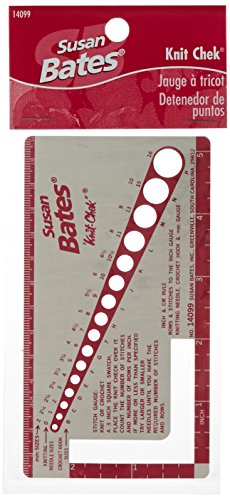
The Knit-Chek is a classic, no-nonsense tool that combines a needle gauge, a ruler, and a yarn weight calculator. It provides the core functionality needed to verify needle size, which is critical if the original packaging has been lost or the sizing has rubbed off the metal.
This tool is virtually indestructible and fits easily into any small notions pouch. It is the perfect choice for the knitter who prioritizes function and longevity over aesthetics.
While it lacks the bells and whistles of newer, trendier gadgets, its reliability is unmatched. Every repair kit should contain this fundamental piece for quick reference when confirming needle diameter or yarn weight.
Knit Picks Emergency Fix-It: Keychain Life-Saver
Small enough to attach to a project bag zipper or a key ring, this emergency kit covers the absolute essentials: a crochet hook for dropped stitches and a pair of folding scissors. These two items are the most frequent requirements for sudden field repairs.
A crochet hook is the ultimate remedy for fixing a dropped stitch in a cable or garter stitch project. Having one permanently attached to the project ensures that a momentary lapse in concentration does not turn into a long-term project-halting repair.
These kits are inexpensive enough to keep one dedicated to every single project bag. This redundancy prevents the common occurrence of arriving at a knit night only to realize the essential repair tool was left in a different bag.
What to Look For in a Knitting Multi-Tool
Prioritize versatility and durability above all else when selecting a multi-tool. A tool that is impossible to hold, or made from brittle plastic that will snap under pressure, offers no value in the field.
Consider the specific projects regularly undertaken. If the focus is on delicate lace, prioritize tools with smooth, snag-free edges. If the work involves heavy wools or rugs, look for tools with stronger construction and more robust cutting mechanisms.
Always test the weight and ergonomics of the tool. If it feels awkward in the hand, it will rarely get used, regardless of how many features it includes.
Building Your Own Pocket-Sized Repair Kit
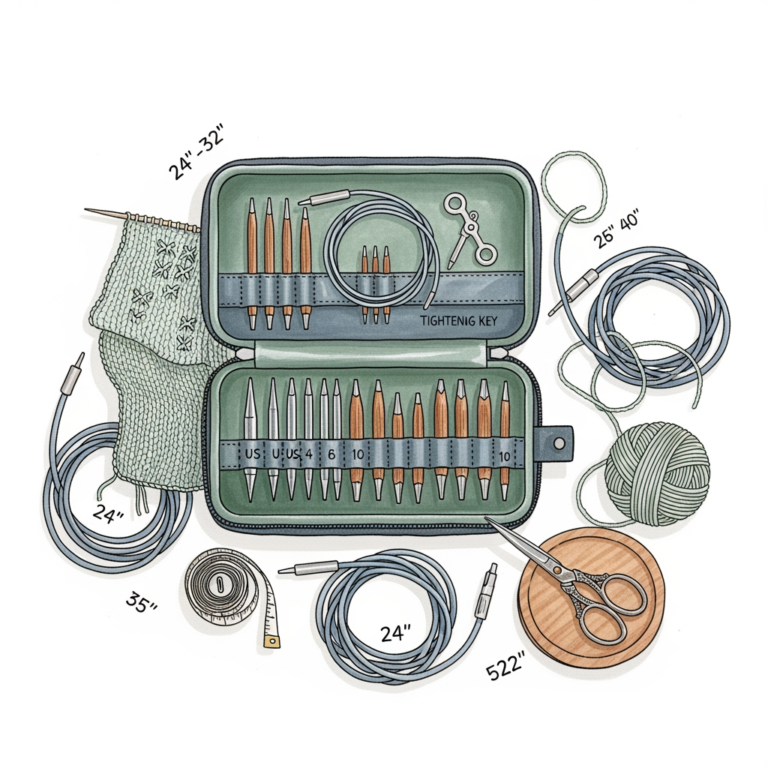
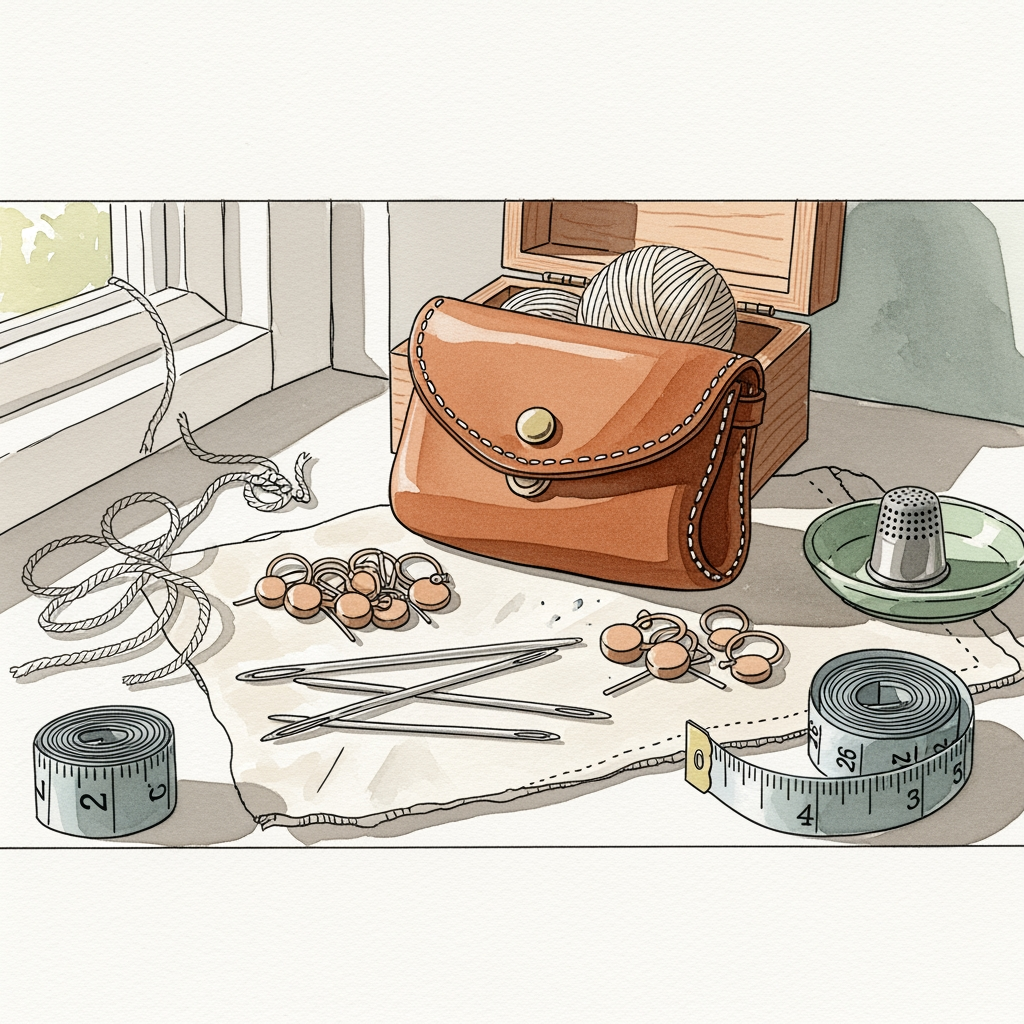
The best repair kits are customized to the specific project being worked on. A standard kit should include a tapestry needle, a few locking stitch markers, a small crochet hook, and a pair of thread snips.
Tailor the contents to the fiber being used. When working with luxury fibers, ensure the tapestry needle has a blunt, bent tip to prevent splitting the yarn. When working with superwash wool or synthetic blends, ensure the markers are secure and won’t snag on the slicker texture of the yarn.
Keep the kit contained in a small, hard-shell tin or a zippered notions pouch. This protects the items from getting lost and prevents them from puncturing the knit fabric.
Traveling with Your Tools: A Guide to TSA Rules
Traveling with knitting tools requires awareness of current regulations to avoid losing cherished items at security checkpoints. Generally, knitting needles and crochet hooks are permitted on flights, but specific rules regarding scissors can vary.
Always choose scissors with blades shorter than four inches if intending to carry them on a plane. If carrying expensive or heirloom tools, consider packing them in checked luggage or selecting a pair of safety snips that meet TSA standards for portability.
When in doubt, check the specific airline guidelines for the current travel season. Keeping tools organized in a clear, accessible pouch also helps security agents quickly verify the contents, making the boarding process much smoother for everyone involved.
Equipping a toolkit with these essentials ensures that any unforeseen challenge—from a snagged thread to a lost stitch—can be addressed with confidence. With the right gear tucked into the project bag, knitting remains a source of relaxation and creativity rather than a source of stress.