6 Best Crafting Scissors For Detailed Fussy Cutting
Struggling with precise paper projects? Discover the 6 best crafting scissors for detailed fussy cutting to achieve clean, professional results. Shop our top picks!
Fussy cutting is the art of precisely snipping motifs out of patterned fabric, often required for complex needlepoint, applique, or custom quilt labels. When working with fine silks or delicate cottons for a project, the wrong pair of scissors can leave frayed edges or jagged cuts that ruin an entire aesthetic. Precision tools are not just a luxury for the professional; they are essential for anyone who values the integrity of their materials. Selecting the right blade is the difference between a seamless finish and a compromised piece of fabric.
Karen Kay Buckley’s Perfect Scissors: Best Grip
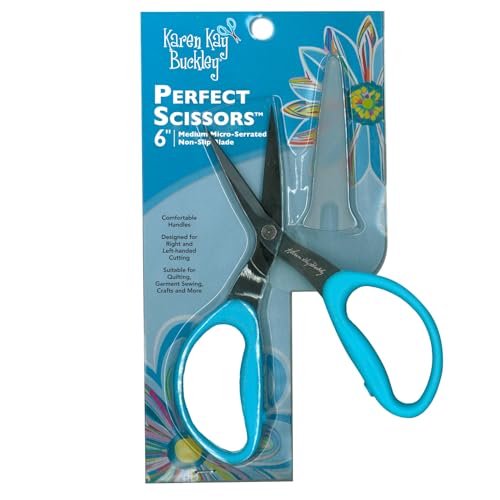

These scissors are specifically designed to reduce hand fatigue during long hours of repetitive cutting. The soft, rubberized handle provides a non-slip surface that is particularly helpful if hands tend to sweat or tire easily during intricate work.
The blades are made of high-quality stainless steel and feature a micro-serrated edge. This serration grabs the fabric, preventing it from sliding away from the blade tip. It is an excellent choice for knitters who occasionally incorporate fabric trims into their sweaters or textile wall hangings.
While the rubber grips are highly comfortable, they can attract lint over time. Keep them stored in their provided sheath to ensure the handles remain clean and the blades stay protected from accidental nicks.
Gingher 4″ Embroidery Scissors: The Classic Pick
Gingher is a heritage brand that represents the gold standard for many crafters. These 4-inch embroidery scissors feature a double-plated chrome finish that is exceptionally resistant to rust and wear.
The primary benefit of these scissors is their fine, needle-sharp point. This allows for precise snips into the tightest corners of a motif. They are the ideal choice for cutting away stabilizer from the back of an embroidery piece or trimming delicate yarn ends close to the work without damaging the surrounding stitches.
Because these scissors are made of high-carbon steel, they hold an edge longer than many modern alternatives. However, they are sensitive to moisture; never leave them near a damp blocking board or in a humid project bag.
Fiskars Micro-Tip Scissors: Top Budget Choice

Budget-friendly does not have to mean a sacrifice in performance. These scissors feature ultra-sharp, high-quality stainless steel blades that provide a clean cut all the way to the very tip.
The spring-action design is a standout feature for crafters dealing with repetitive strain or arthritis. It automatically opens the blades after each cut, significantly reducing the pressure required from the thumb and fingers. It is a fantastic tool for cutting through multiple layers of lightweight quilting cotton.

The orange handles are iconic, but the plastic construction is less durable than forged steel. Treat these as a high-performance disposable tool that will eventually need replacing once the blades lose their factory precision.
Kai 5130 Embroidery Scissors: For Pro-Level Cuts
Kai scissors utilize a vanadium stainless steel that is hardened for long-lasting sharpness. They feel remarkably light in the hand, which allows for greater control when moving around tight curves or intricate patterns.
These scissors offer an exceptionally smooth cutting action. There is no grit or resistance when closing the blades, which prevents the fabric from shifting during the final, most delicate phase of a cut. For a knitter working with fine-gauge lace or delicate silk ribbons, this smooth operation is a game changer.
The balance of the blades is specifically engineered for professional-grade accuracy. They are an investment, but for those who spend more time fussy cutting than any other task, they are worth every cent.
Havel’s Snip-a-Stitch: For Ultimate Control

Havel’s design is distinct due to its unique curved blade, which is intended to sit flush against the surface of the work. This prevents the tips from digging into the base fabric while cutting away embroidery or appliqué threads.
The blades are incredibly thin, making them the superior choice for “micro” fussy cutting. If the goal is to cut a single thread or a tiny sliver of fabric between two complex shapes, these scissors provide the necessary clearance.
It is important to practice with the curved blade before diving into an expensive project. The angle changes the orientation of the cut slightly compared to traditional straight-blade scissors.
Clover Patchwork Mini Scissors: Great for Travel

Portability is the greatest asset of these compact, 3.5-inch scissors. They take up virtually no space in a project bag, making them the perfect companion for crafting on the go or attending knitting circles.
Despite their size, the blades are surprisingly robust and sharp. They handle fine threads and lightweight fabrics with ease, though they are not suited for heavy-duty materials like denim or thick wool felt.
They come with a protective cap that is essential for both the longevity of the blades and the safety of the items in the project bag. Always replace the cap immediately after use to prevent the tips from dulling against other tools.
What to Look For in Fussy Cutting Scissors
A quality pair of fussy cutting scissors must have an ultra-fine point to reach into acute angles. Look for blades that meet perfectly at the tip; if there is a gap, the fabric will simply fold rather than cut.
The tension screw is another critical factor. It should be tight enough to ensure the blades shear against each other, but not so tight that it feels stiff to close.
Consider the handle size as well. While smaller scissors are generally better for precision, if the handle holes are too small to fit fingers comfortably, the lack of control will cause shaky cuts.
Keeping Your Detail Scissors Sharp and Clean
Never use embroidery or fussy cutting scissors to snip paper, wire, or thick yarn. These materials will dull the precision edge in seconds, rendering the tool useless for fine fabric work.
Wipe the blades regularly with a soft, dry cloth to remove dust, lint, and residue from stabilizers or glues. If the blades become sticky from adhesive-backed embroidery stabilizers, a quick rub with an alcohol wipe will restore their movement.
If the scissors begin to snag or fold fabric, it is time for a professional sharpening. While home sharpeners exist, most can ruin the delicate factory grind of high-end embroidery shears.
Tips for Better, More Precise Fussy Cutting
Stabilize the fabric before starting. If the fabric is slippery or prone to fraying, use a temporary starch or a light-tack stabilizer to give it a firmer structure during the cutting process.
Approach the cut in small increments. Rather than attempting one long, fluid motion, use the tips of the scissors to make short, calculated snips along the line of the motif.
Keep the fabric flat against the table or mat. Lifting the fabric while cutting invites distortion, which often leads to cutting slightly off the intended line.
Straight vs. Serrated Blades: What’s Better?
Straight blades are the traditional choice and offer a clean, crisp cut that is best for fine, delicate fabrics like silk or rayon. They allow for a smooth slide through the material without resistance.
Serrated blades, conversely, feature tiny teeth that grip the fabric. They are superior for slippery, lightweight materials that tend to shift under the blade.
The tradeoff is that serrated blades can leave a microscopic “saw” mark on the edge of the fabric. For most quilting and applique projects, this is irrelevant, but for heirloom-quality work, a straight, high-quality steel blade is usually preferred.
Fussy cutting is a foundational skill that elevates a handmade project from a craft to a work of art. By choosing the right tool for the specific weight and texture of your fabric, you gain the confidence to execute even the most intricate patterns with ease. Consistent maintenance and proper use will ensure these tools remain a staple in the kit for years to come.