6 Best Shawl Pins For Sweater Styling To Elevate Looks
Discover the 6 best shawl pins for sweater styling to elevate your favorite looks. Browse our top picks and find the perfect accessory for your knitwear today.
A beautiful shawl is only as good as the closure that holds it in place. Finding the right pin transforms a loose layer into a structural piece of your wardrobe, preventing unwanted slippage and keeping your stitches secure. Beyond functionality, these tools act as the jewelry of your knitting life, adding a finished, professional touch to handmade garments. Choosing the correct style ensures you can drape, bundle, and cinch your knitwear without compromising the integrity of the fabric.
Purlsmith Celtic Knot Pin: Timeless Metalwork


The Purlsmith Celtic Knot pin excels in projects where weight and durability are paramount. Its traditional aesthetic complements the rustic charm of long-wool yarns or heavy, cabled sweaters that require a sturdy anchor.
Because these pins are typically crafted from solid metals like brass or copper, they possess a reassuring heft. This weight is an advantage when securing heavy blankets or bulky-weight shawls, as the pin will not shift or slide out of place.
However, consider the drape of the fabric before selecting a metal pin of this size. If the yarn is delicate, such as a cobweb-weight mohair or a soft cashmere blend, a heavy metal pin can cause the fabric to sag or distort under its own weight. Always match the “heaviness” of the pin to the physical weight of the yarn to avoid stretching your hard work.
Jul Designs Leather Pedestal Button: Most Versatile

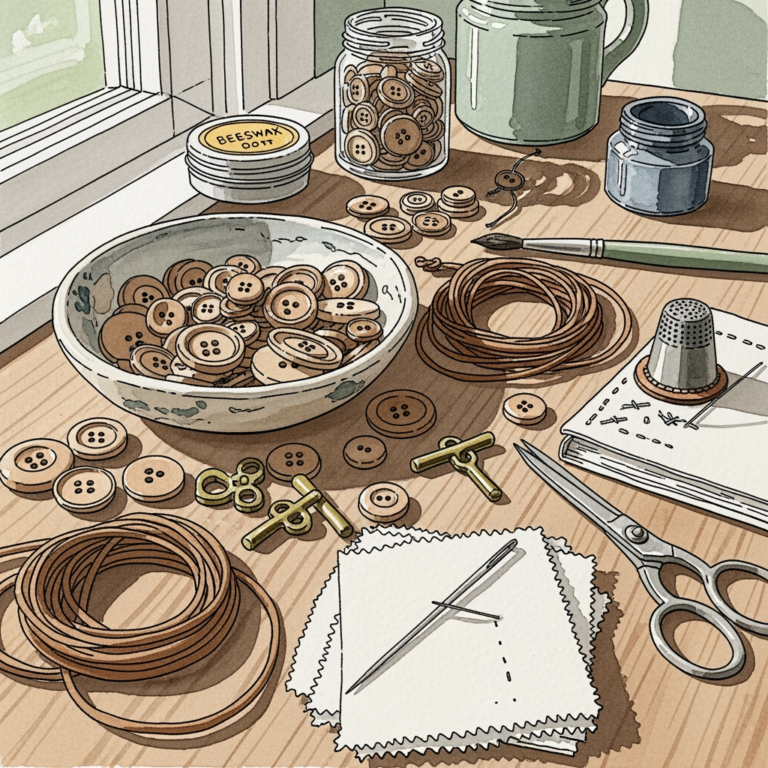
Jul Designs brings a clever, structural approach to shawl fastening that moves away from the traditional pin-through-fabric method. These leather buttons use a toggle-and-loop system, which is significantly kinder to your knitting than a sharp, piercing pin.
The pedestal design creates a gap between the leather and the fabric, allowing the button to grip layers of wool without compressing the stitch definition. This makes them ideal for thick, lofty wools where maintaining the “bloom”—the slight fuzziness that adds warmth—is essential.
These fasteners are particularly effective for knitters who fear snagging their intricate lace patterns. By avoiding sharp points, these leather buttons ensure that precious, hand-dyed yarns remain free of pulled loops or broken plies.
Brittany Birch Shawl Pin: Best Lightweight Wood

Wood offers a tactile, organic experience that pairs perfectly with natural fiber projects. The Brittany Birch pin provides a smooth, sanded finish that glides through stitches without the friction often associated with lower-quality, untreated wood.
Because birch is naturally lightweight, these pins are the gold standard for delicate items like lace-weight shawls or fine wool-silk blends. They will not pull down on the fabric, maintaining the drape you spent hours achieving during the blocking process.
Be mindful that wood is porous. While generally safe, avoid using these on garments that have just been wet-blocked unless they are completely dry, as the wood could potentially absorb moisture and lose its finish over time. They are the go-to for the minimalist knitter who wants functionality without distracting from the beauty of the stitch pattern.
The Regilded Age Forged Pin: Top Artisan Pick
Forged metal pins represent the intersection of blacksmithing and fiber arts, offering a unique, handmade aesthetic that feels like a family heirloom. Each piece bears the mark of the hammer, providing a texture that anchors well into dense, hand-spun fabrics.
These pins are typically stiffer and have less “give” than mass-produced versions. This rigidity is excellent for securing layers of heavy, felted wool or thick, tightly-knit jackets, as the metal holds its shape even under high tension.
When choosing a forged pin, inspect the tip carefully to ensure it is rounded rather than needle-sharp. A blunt tip is safer for your knitwear, as it will push through the gaps in the knit fabric rather than piercing the individual fibers of the yarn itself.
Katrinkles Laser-Cut Pin: For a Modern Vibe
Laser-cut pins from Katrinkles provide a precise, contemporary look that is difficult to achieve with hand-carved or forged materials. These are perfect for makers who enjoy whimsical shapes, geometric patterns, or personalized text that reflects their specific knitting personality.
The precision of laser cutting allows for intricate, lace-like details in the pin itself, which can mirror the complexity of your stitch work. Because they are often made from sustainable plywood, they are exceptionally light, making them a safe choice for even the most fragile of knitting projects.
Because they are delicate, store these pins carefully when not in use to prevent the thinner points or edges from snapping. They function best as decorative accents for lighter weight items, adding flair without the risk of heavy-metal stretching.
Birdie Parker Enamel Pin: Best Whimsical Flair
Enamel pins provide a vibrant pop of color that can highlight the nuances of your yarn’s colorway. If your sweater or shawl is a neutral tone, a brightly colored enamel pin becomes a deliberate style choice that frames the face and draws the eye.
These pins often come in creative, illustrative shapes, turning your shawl into a canvas for your personal interests. They are highly durable and easy to wipe clean, making them a low-maintenance option for everyday wear.
When selecting an enamel pin, check the strength of the clasp or the diameter of the pin shaft. Because enamel pieces can be slightly top-heavy, ensure the shaft is long enough to penetrate several layers of fabric to keep the pin from flipping over or drooping throughout the day.
How to Choose the Right Pin for Your Knitwear
Matching a pin to a project requires assessing both the weight and the structure of the garment. For heavier wools, such as worsted or bulky yarns, opt for substantial metal or forged pins that have the structural integrity to hold multiple, thick layers together.
For lighter items like lace-weight mohair or fingering-weight socks, prioritize lightweight materials like birch or laser-cut wood to avoid distortion. Always consider the “stretchiness” of the fabric; a superwash wool may stretch significantly under the weight of a heavy pin, whereas a non-superwash wool with more crimp and “grip” will hold a pin more securely.
- Consider the gauge: If you are working on a dense, tight gauge, look for a pin with a slimmer shaft.
- Consider the pattern: Avoid pins with sharp, hook-like ends if your pattern contains lots of yarn-overs, as these are high-risk areas for snagging.
- Consider the closure: If the shawl requires a tight hold, choose a two-piece pin that provides a physical locking mechanism.
Securing Your Pin Without Snagging Your Sweater
The most common mistake when pinning a shawl is attempting to push the pin directly through the yarn ply itself. This is a recipe for broken fibers and unsightly snags, especially in high-twist yarns or delicate hand-dyed singles.
Instead, train yourself to weave the pin through the “gaps” in your stitch pattern. By pushing the pin through the center of a stitch or the space created by a yarn-over, you bypass the fibers entirely.
If the knit is too dense to find a gap, use a slightly angled motion to “catch” the fabric rather than piercing it. Think of the pin as a needle weaving through a tapestry—it should glide between the stitches rather than force its way through the fiber structure.
Metal vs. Wood: Which Pin Material Is Best?
The choice between metal and wood is largely determined by the “grip” of your yarn. Metal pins are smooth and slick, making them easy to insert but potentially prone to sliding out of slippery fibers like silk or bamboo.
Wood pins, conversely, have a natural friction that acts as a subtle brake. If you are wearing a shawl made from a silky or smooth-textured yarn, a wooden pin will often stay put better than its metal counterpart.
However, metal is undeniably stronger. If you need a pin that serves a structural purpose—holding a cardigan closed against the wind, for instance—metal provides the necessary rigidity. Use wood for decorative accents and metal for heavy-duty garment management.
Beyond Shawls: Creative Ways to Style Your Pin
Don’t limit your pins to just shawls. These accessories are excellent for pinning the collar of a cardigan to create a mock-turtleneck look, or for cinching the waist of a loose-fitting tunic to create a more tailored silhouette.
You can also use larger, statement pins as a focal point at the shoulder of a sweater, effectively turning a basic staple into a custom piece of knitwear design. They can even function as a makeshift project marker or a way to keep your stitch progress secure on your needles when you need to step away from your knitting.
The best part of using pins this way is the ease of customization. You can change the “look” of your sweater from morning to night simply by swapping a wooden toggle for a bright enamel pin, allowing your accessories to work as hard as your stitches.
Selecting the right shawl pin is the final, essential step in honoring the hours of work invested in every knitted stitch. By considering the weight of the yarn, the density of the fabric, and the structural requirements of your garment, you can choose a tool that not only elevates your look but protects your fiber art for years to come.