
6 Best Wood Craft Storage Bins For Bulk Supplies Included
Organize your workshop with our top 6 picks for wood craft storage bins. Discover durable, space-saving solutions for bulk supplies and shop your favorites today.
Stashing yarn properly is just as critical as choosing the right fiber for a pattern. Without adequate protection from dust, light, and humidity, a beautiful wool haul can quickly lose its integrity or fall victim to pests. Selecting the right wood storage bin transforms a cluttered stash into a curated library of potential projects. These six solutions offer the structure and breathability necessary for long-term fiber preservation.
Creative Co-Op Paulownia Crates: Best Overall


Paulownia wood is prized for its lightweight nature and remarkable stability, making these crates a top-tier choice for heavy yarn stashes. They resist warping, which is vital when you are stacking bins filled with dense, moisture-heavy fibers like wool or alpaca.
The open-slat design provides constant airflow, preventing the musty odors that often plague sealed plastic bins. Proper ventilation is essential for protein fibers, as stagnant air can encourage mold growth if the environment experiences even minor humidity fluctuations.
While the natural finish is aesthetically pleasing, consider lining these with acid-free tissue paper if storing hand-dyed yarns for years. This prevents the wood grain from snagging delicate plies, especially with looser, single-ply yarns prone to friction damage.

Winsome Leo Storage Shelf: Best Open-Top Access
Open-top bins are essential for the active knitter who moves between multiple projects in a single week. The Winsome Leo provides a dedicated space where individual skeins remain visible and reachable, eliminating the need to dig through buried stash when inspiration strikes.
This shelf system excels at organizing yarn by weight or fiber content. Keeping lace-weight mohair separated from heavy-gauge bulky wool prevents tangles and makes it significantly easier to audit your supplies before starting a new project.
However, open-top storage does leave yarn vulnerable to dust accumulation over time. Use these shelves for “active” yarn—the materials intended for projects scheduled within the next few months—rather than for long-term preservation of heirloom-quality skeins.
The Blake & Lake Keepsake Box: Best for Notions
Notions are the lifeblood of a well-stocked knitting bag, yet they are often scattered across drawers. Using a wooden keepsake box keeps circular needles, point protectors, and stitch markers neatly contained in one accessible location.
The solid wood construction protects delicate aluminum or carbon fiber needles from being bent or crushed under the weight of heavier equipment. It creates a dedicated “home” for tools, reducing the frustration of misplacing a specific needle size mid-project.
For those who travel with their knitting, this box serves as a perfect stationary organizer. It keeps small, easily lost items like tapestry needles and cable needles from migrating into couch cushions or under rugs.
Sorbus Woven Basket Bin Set: Best for Shelving
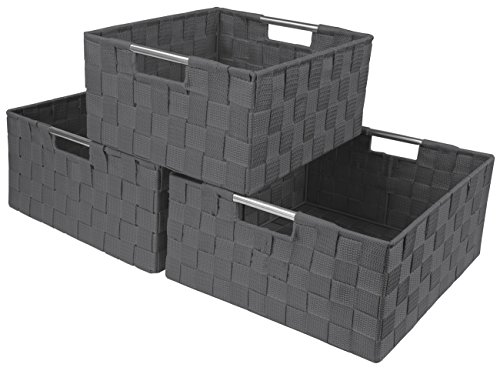
Woven wood baskets offer the best of both worlds: the structural integrity of wood frames and the flexibility of soft-sided materials. They fit perfectly into standard cube shelving, maximizing vertical space in small apartments or dedicated craft corners.
The weave allows for limited air circulation while shielding yarn from direct UV light. Prolonged exposure to sunlight can fade vibrant dye lots and weaken the fiber structure of natural yarns, particularly delicate silk or linen blends.
Consider using these for sorting finished swatches or project bags. Because the interior is often textured, place delicate, snag-prone yarn inside a fabric project bag before dropping it into the basket to ensure a snag-free experience.
Badger Basket Storage Cubby: Best for Kid’s Craft
Encouraging the next generation of knitters requires storage that is both sturdy and easy to navigate. The Badger Basket provides low-profile, segmented storage that makes it simple for children to see and choose their own yarn colors without creating a mess.
The rounded edges and stable wood frame stand up to the frequent handling that comes with a learning environment. It is an excellent way to teach organizational habits early, assigning specific bins for different types of yarn or ongoing projects.
While these are designed for kids, they are also useful for knitters with limited mobility or reach. Placing the most frequently used needles and yarn in these low bins prevents unnecessary strain during extended craft sessions.
Household Essentials Banana Leaf Bins: Most Stylish

Banana leaf bins offer a refined, organic aesthetic that disguises a stash as high-end home decor. They are ideal for knitters who do not have a dedicated craft room and need their supplies to blend into the living room or bedroom.
The tightly woven nature of these bins provides excellent protection from light, which is the primary enemy of long-term stash integrity. They are robust enough to hold several pounds of yarn without sagging or losing their shape.
Be mindful that these natural materials can have a slightly rough interior texture. Always ensure your skeins are neatly balled or stored in protective bags to avoid any snagging on the interior weave of the bin.
Choosing the Right Wood Bin for Your Craft Space
The primary goal of any yarn storage solution is to balance air circulation with protection from external threats. If you live in a humid climate, opt for slatted wood bins that promote maximum airflow to keep fibers from becoming damp and heavy.
Evaluate your available space carefully before purchasing. Stacking bins work best for maximizing vertical square footage, but they can make it difficult to access the bottom layer without moving everything else first.
Consider the “yarn density” of your collection when choosing bins. Large, open crates are excellent for bulk yarn, while small, lidded boxes are superior for storing precious, limited-edition hand-dyed skeins that require a stable, dark environment.
Treated vs. Unfinished Wood: What’s Best for Yarn?
Unfinished wood is often preferred by purists, as it lacks the chemical varnishes or stains that could potentially off-gas onto delicate natural fibers. However, unfinished wood is also more absorbent and can be prone to splintering if not sanded meticulously.
Treated wood is easier to clean and provides a smoother surface that is less likely to snag mohair or loosely spun singles. If choosing treated wood, ensure the finish is fully cured and odor-free before placing high-quality wool inside.
Ultimately, the finish matters less than the environment. If the wood is clean, smooth, and kept in a temperature-controlled room, both options will provide years of reliable service for your fiber collection.
How to Prep Wood Bins to Protect Your Supplies
Before filling a new bin, wipe the interior thoroughly with a dry cloth to remove any stray wood dust or manufacturing residue. If the bin is unfinished, consider lining the bottom with acid-free paper to create a barrier between the wood and your yarn.
For added security against moths or pests, include a sachet of cedar or lavender in the bin. Keep these sachets from directly touching the yarn by placing them in a small fabric pouch to avoid any oil transfer from the wood to the fiber.
Regularly inspect your stash during the change of seasons. Move the bins to a different spot or rearrange the contents to ensure there are no “dead zones” where air isn’t circulating or where dust is beginning to settle.
Stacking vs. Rolling Bins: A Quick Comparison
Rolling bins are the gold standard for versatility, especially if you move your project from the desk to the sofa frequently. They allow you to shift the weight of a heavy stash without physical strain, which is beneficial for knitters managing joint or back concerns.
Stacking bins are better for long-term inventory management in closets or under-bed storage. They keep the footprint of your stash small, but they require a bit more effort to access, making them less ideal for daily-use yarns.
If your collection is rapidly growing, a modular system that allows for both stacking and adding wheels is the wisest investment. This adapts to your changing needs as your project inventory expands or contracts over time.
Selecting the right storage is a fundamental step in honoring the time and money invested in a beautiful yarn stash. By choosing wood bins that prioritize ventilation, protection, and accessibility, you ensure that your materials stay in pristine condition for years to come. Ultimately, a well-organized workspace serves as the foundation for every successful project you cast on.


