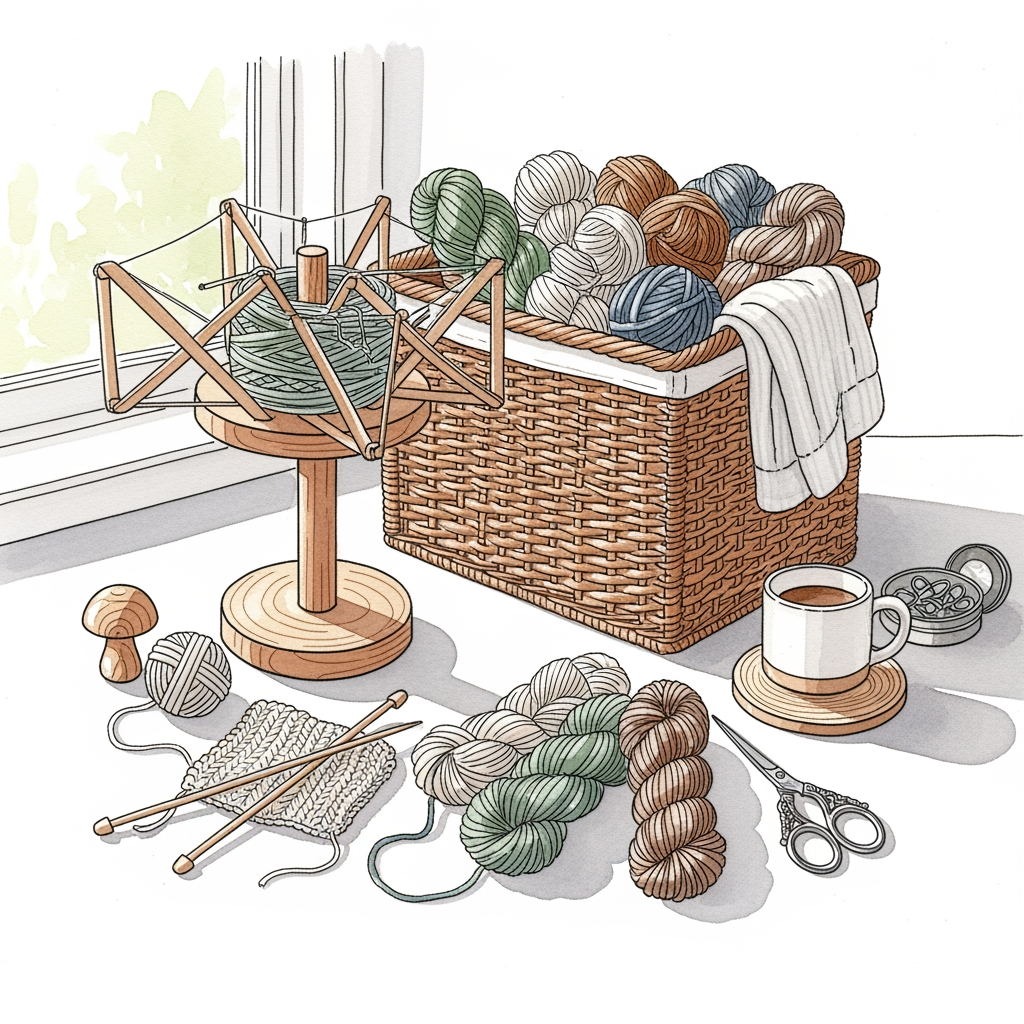
6 Best Stacking Bins For Tea Packets To Organize Stash
Tidy up your kitchen with our top 6 picks for stacking bins for tea packets. Read our expert guide to organize your stash and find your favorite flavor today.
A well-organized workspace is just as vital to a successful project as choosing the right fiber for a gauge swatch. When tea packets—or the small notions that clutter a knitting bag—are left in disarray, the flow of a complex lace pattern or intricate cable chart can be easily interrupted. Managing a stash requires precision, visibility, and accessibility to ensure every tool remains within reach. These six stacking bin options provide the structural support needed to keep supplies orderly and ready for the next cast-on.
mDesign Plastic Organizer: Best for Stitch Markers


Stitch markers are notorious for migrating to the dark corners of a craft room, often disappearing just as a crucial shaping row begins. This clear, shallow bin prevents those tiny rings and locking markers from scattering. Its low-profile design ensures that one never has to dig through layers to find the exact size or style needed for a project.
The transparency of the plastic is a major advantage for quick visual inventory checks. Knowing exactly how many progress keepers are on hand prevents unnecessary mid-project runs to the local yarn store. Because these bins are stackable, they keep the tabletop footprint minimal while maximizing vertical storage space.
The trade-off here is the material’s susceptibility to static cling, which can occasionally trap small plastic markers against the side walls. However, for those who value seeing their entire collection at a glance, this remains a superior choice. Focus on keeping stitch markers separated by type—locking vs. fixed—to save time during high-stakes pattern transitions.
STORi Clear Organizer: For Your Button Collection
Buttons often accumulate over years of finishing cardigans and cowls, becoming a disorganized heap of mismatched sizes and materials. These deeper, rigid bins offer the structural integrity required to hold heavier wood, metal, or bone toggles without cracking. A dedicated bin for buttons ensures they stay sorted by size or color, streamlining the final step of a garment’s completion.
Deep bins prevent accidental spills when moving supplies between a knitting chair and a dedicated workstation. The clear construction acts as a catalog, allowing the eye to scan for the perfect finish for a new piece of knitwear instantly. Because they are modular, they allow for growth as a button collection expands over time.
While these are excellent for storage, avoid overfilling them to the point of structural strain. Keeping them organized by diameter—or by shank versus flat-back—is the key to efficient finishing. Select a bin with rounded interior corners to ensure no small buttons get wedged permanently in the creases.
Bambüsi Bamboo Box: Most Stylish Notion Storage
Natural materials often complement the aesthetic of a fiber artist’s studio, providing a warm, tactile contrast to needles and synthetic yarns. This bamboo box brings a refined touch to organizing notions like tape measures, needle gauges, and scissors. It bridges the gap between utilitarian storage and home decor, making it ideal for spaces that double as living areas.
Bamboo is exceptionally durable and resists the occasional humidity fluctuations that can affect wooden tools or natural wool fibers. The modular nature of these boxes allows them to be rearranged based on the current project’s specific tool requirements. It is a sophisticated, long-term investment that ages gracefully alongside a seasoned knitter’s collection.
The primary consideration is weight; bamboo is significantly heavier than plastic alternatives. Ensure the shelf holding these boxes can support the load, especially when storing denser items like metal cable needles or specialized crochet hooks. For a cohesive studio look, prioritize bamboo storage to protect delicate tools from plastic-induced scratches.
Yamazaki Home Tower Box: Sleek & Minimalist Pick
Minimalist design is more than an aesthetic; it is a way to reduce visual noise during mentally demanding projects like complex stranded colorwork. The Yamazaki Tower system offers a clean, architectural approach to organizing tea packets or slim notion cases. Its narrow footprint is perfect for small desks where every square inch of surface area is contested.
The precision engineering of these bins means they stack with zero wobble, a critical feature when working in tight, cramped quarters. The crisp edges and matte finishes prevent the “cluttered desk” look that can sometimes induce anxiety during a long session of frogging a mistake. These bins prioritize form as much as function, catering to the knitter who values a serene workspace.
Be mindful that these often feature non-slip bases, which are helpful but can be slightly more difficult to clean if yarn dust or debris gathers underneath. They are best suited for light notions or tea packets that are frequently accessed. Choose this option if the knitting workspace needs to remain presentable for non-knitting guests.
Spectrum Diversified Holder: For Darning Needles
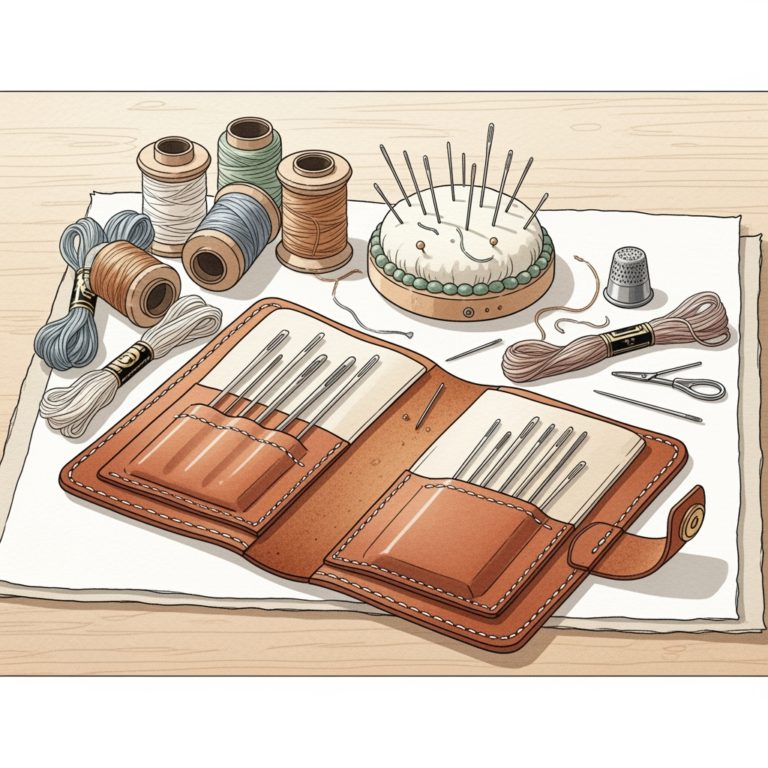
Darning needles require careful handling to prevent them from becoming lost or damaging surrounding yarn supplies. These open-style holders allow for easy retrieval, which is essential when the time comes to weave in dozens of ends on a multi-colored shawl. Keeping needles vertically or in a dedicated low-sided tray prevents the points from dulling or snagging on fiber.
The metal construction of these holders is robust and built to withstand the sharp points of steel tapestry needles. Unlike plastic, these will not crack over time, offering a permanent home for needles that are frequently swapped between projects. Their open design is specifically intended for items that are used on a daily basis.
Placement is critical; keep these holders away from areas where they might be knocked over and cause injury. It is also wise to include a small magnet at the bottom to keep the needles from sliding around during movement. When organizing darning needles, prioritize accessibility over concealment to prevent frustration during finishing.
iDesign Linus Bins: Best for Stacking High
When a stash grows beyond the capacity of a single shelf, vertical storage becomes the only viable solution. These bins are designed for high-stacking, utilizing clear, durable plastic that remains stable even when piled several units deep. They are perfect for grouping tea packets or bulkier items like spare circular needle cases.
The strength of these bins comes from their reinforced corners, which prevent bowing under the weight of a collection. They offer a clear view of the contents, meaning the bottom bin is just as accessible as the top one. For the knitter with a vast collection of tools, this system provides the best density-to-visibility ratio.
Avoid stacking too high to maintain safe access, especially if stored on elevated shelving units. Because they are modular, they allow for a customized layout that can evolve as the stash shifts. Always place the most frequently used items in the middle-height bins to minimize reaching.
How to Choose the Right Bin for Your Notions
Choosing the right bin requires an honest assessment of the current stash volume and the available storage footprint. Consider the weight of the items being stored; needles and metal tools require rigid, durable materials, while stitch markers and tea packets are well-served by lighter, clear plastic. Always measure the height of the intended storage space before committing to a stacking system.
Functionality should always trump aesthetics. A box that looks beautiful but makes it impossible to retrieve a single needle is a liability, not an asset. Think about the frequency of use: tools used for every project belong in an open, shallow tray, while specialty tools can be tucked away in deeper, stacked bins.
- Frequency: Are the items used daily or seasonally?
- Weight: Will the contents bend or break the container?
- Visibility: Does the item need to be seen to be remembered?
- Footprint: Is there more vertical space than shelf surface area?
Plastic vs. Bamboo: Which Is Right for You?
The choice between plastic and bamboo often comes down to environmental preference and the type of items being stored. Plastic is unrivaled for visibility and moisture resistance, making it ideal for items that might be exposed to spilled water or dye. However, it can look utilitarian and may not fit the aesthetic of a classic, yarn-filled craft corner.
Bamboo is a renewable, elegant choice that brings a natural warmth to a room filled with wool and plant-based fibers. It is sturdy and long-lasting, though it lacks the transparency that makes plastic so efficient for inventory management. For those who enjoy the ritual of organizing, bamboo offers a more tactile, premium experience.
Consider the longevity of the storage. Plastic may yellow or crack over many years of heavy use, whereas bamboo will typically outlast its owner if treated with care. If the primary goal is rapid organization and high utility, plastic wins; if the goal is a curated, long-term studio aesthetic, choose bamboo.
Labeling Your Bins for Easy Stash Access
A system is only as good as its ability to be maintained over time. Labeling bins takes the guesswork out of retrieval, especially when multiple people share a studio space or when memory fails after a long break from a project. Use clear, legible labels that indicate exactly what is inside—such as “Stitch Markers,” “Cable Needles,” or “Finishing Tools.”
Labeling also prevents the “mystery bin” effect where items are tossed into the wrong container, leading to eventual clutter. For the highly organized, color-coding labels by project type—like “Sock Knitting Notions” versus “Sweater Construction Tools”—can further speed up the workflow. The goal is to reduce the friction between deciding to knit and actually casting on.
Use adhesive-backed labels that can be easily removed or updated as the stash inventory changes. For a cleaner look, use a label maker with a neutral font that complements the bin’s style. A well-labeled bin ensures that every minute is spent knitting, not searching for equipment.
Beyond Notions: Organizing Mini Skeins & Floss
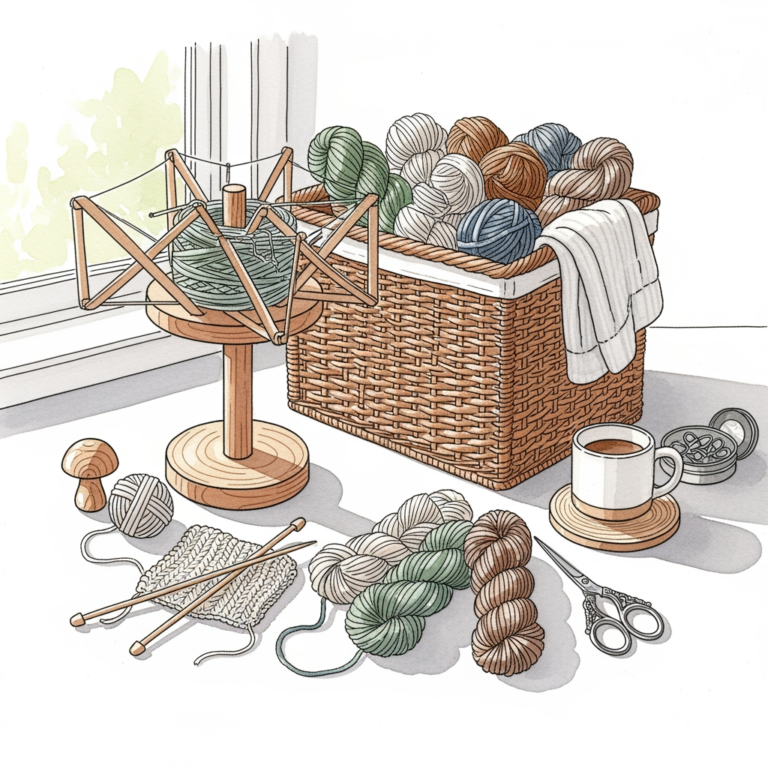
While these bins are ideal for notions and tea packets, they are also highly effective for managing the chaotic remnants of yarn stashes. Mini skeins, leftover bits of sock yarn, and embroidery floss for duplicate stitching can be grouped by colorway or fiber content within these same stacking bins. This keeps small amounts of yarn from turning into a tangled mess and preserves their potential for future scrap projects.
Clear bins allow the colors to be seen, which is often the primary inspiration for scrap-yarn projects. Grouping by fiber type—keeping superwash wool together and delicate alpaca separate—is crucial to maintaining the integrity of the stash. This modular approach allows for a “grab-and-go” mentality when looking for an accent color for a new design.
Organizing small amounts of fiber in bins prevents it from becoming dust-collectors or moths’ snacks. Always ensure the bins are kept in a clean, dry environment, and consider adding cedar sachets if the stash is left for long periods. Transforming a box of scraps into a categorized library turns “waste” into a creative resource.
By curating a system that prioritizes both visibility and accessibility, you ensure that every tool and every packet of tea supports, rather than hinders, your creative process. Whether you lean toward the sleek utility of plastic or the warm durability of bamboo, the right storage transforms a chaotic stash into a functional studio. Investing in the right organization now means more time focused on the rhythm of your needles and the beauty of your stitches.