6 Best Pattern Papers For Custom Drafting To Use
Elevate your sewing projects with our top 6 picks for pattern papers for custom drafting. Explore our professional recommendations and upgrade your toolkit today.
Precision in pattern drafting is the bridge between a sketch and a perfectly fitting garment. Whether adapting a vintage sweater silhouette or grading a complicated lace shawl, the substrate used to map these lines determines the success of the final project. Choosing the wrong paper can lead to frustrating adjustments, poor grain alignment, and wasted time during the design phase. These six options represent the gold standard for transforming conceptual designs into reliable, workable templates.
Pellon Swedish Tracing Paper: Best for Draping


Pellon Swedish Tracing Paper behaves more like a soft, pliable fabric than a traditional sheet of paper. This unique quality allows it to conform to curves and folds, making it the superior choice for draping and checking the fit of a garment directly on a dress form.
Because this material is sewable, it is possible to pin or baste the pieces together to test the drape before cutting into expensive yarn or luxury fabric. It provides a tactile preview of how the finished structure will interact with the body, which is vital when calculating ease for a garment.
The primary tradeoff is its translucency and delicate nature. While it is excellent for mock-ups, it is not robust enough for long-term storage or repeated use as a master template. Consider this a temporary, high-utility tool for the design phase rather than a permanent archival solution.
Dritz Dotted Pattern Paper: Easiest to Align

Dritz Dotted Pattern Paper features a consistent grid of one-inch markings that make squaring up grainlines effortless. For those drafting structural elements like necklines or set-in sleeves, having built-in references eliminates the need for constant ruler adjustments and measuring tape gymnastics.
The paper is substantial enough to hold a pencil line clearly, yet light enough to see through when tracing existing patterns. The grid acts as a built-in level, ensuring that patterns remain symmetrical from left to right. This is particularly helpful when drafting complex colorwork charts or shaping cables that must be perfectly balanced.
One minor disadvantage is the weight of the paper, which can feel somewhat flimsy compared to professional drafting vellum. Use light pressure with a lead pencil to prevent tearing, and avoid using heavy markers that might bleed or smudge on the smooth surface.
Medical Exam Paper: The Ultimate Budget Choice

Medical exam paper is a hidden gem often overlooked in the craft aisle but readily available in bulk. It is lightweight, inexpensive, and comes in wide rolls that cover large table surfaces, making it ideal for drafting full-length cardigan or coat templates.
Its thin, slightly fibrous texture makes it easy to pin to corkboards or fabric surfaces. Because it is sold in massive quantities for medical clinics, the price-per-square-foot is significantly lower than specialized drafting supplies. This allows for generous use, including multiple iterations of a design without concern for cost.
However, the lack of a grid or markings requires the user to manually draw in grainlines and cross-reference measurements. It also wrinkles easily, which can distort delicate shaping if not handled with care. Use this for quick, disposable drafts where economy is the top priority.
The Pattern Catcher Paper: Built for Durability
The Pattern Catcher brand produces a heavier, treated paper designed for designers who need templates that survive frequent handling. If a draft is intended to be used as a “sloper” or a master block for dozens of future projects, this paper prevents the curling and tearing that plague thinner alternatives.
The material is surprisingly resilient to repeated pinning and unpinning, which is essential when transferring marks or altering hemlines. It lies flat on a cutting table, reducing the likelihood of accidental slips or shifting that can ruin the accuracy of a measurement.
The main drawback is that it is less transparent than other options, making it harder to trace over existing templates. Keep a light box or a bright window nearby to facilitate tracing, and expect a slight learning curve when cutting through the thicker, more resistant material.
Reynolds Freezer Paper: For Reusable Templates
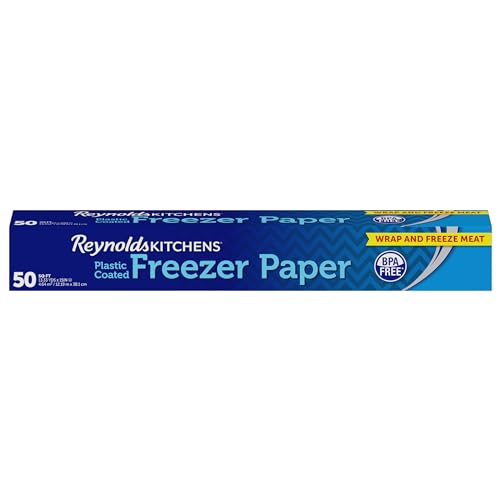
Reynolds Freezer Paper is a staple in the sewing room that performs exceptionally well for knitters creating iron-on templates. One side is matte for easy drawing, while the other features a poly-coating that adheres temporarily to fabric or wool when heat is applied.
This is the ultimate tool for stabilizing a knit piece before cutting or for marking precise locations for pockets and buttonholes. By pressing the paper onto the fabric, it acts as a stabilizing layer, preventing the edges of the knitting from curling while the scissors pass through.
The heat-sensitive coating will degrade if the iron is too hot or if left on the fabric for too long. Always test on a scrap piece of wool or cotton first to ensure the adhesive releases cleanly without leaving a waxy residue behind.
C-Thru Graph Vellum: For Archival Tracing
C-Thru Graph Vellum provides the professional-grade stability required for long-term archiving. It is exceptionally smooth and tough, allowing for precise, crisp lines that do not blur or fade over time.
The grid printing on this vellum is highly accurate, making it the choice for scaling complex geometric patterns or intricate lace motifs. It handles erasing and redrawing far better than standard pulp-based papers, as the surface is resistant to pilling or fiber breakage.
The tradeoff is the premium price point and the stiffer texture. It is not designed to be pinned or draped, but rather used as a rigid, flat master copy. Once the design is finalized, this is the paper to use for the version that will be safely tucked away for years to come.
How to Choose the Right Pattern Drafting Paper
The selection of drafting paper should be dictated by the longevity and purpose of the pattern. Use thin, inexpensive paper for initial brainstorming and quick iterations, but transition to heavy, durable materials like C-Thru vellum once a design is finalized.
Consider the physical interaction required: do you need to see through the paper to trace, or do you need to physically mold it to a shape? Always prioritize grid-marked paper when symmetry is a requirement, as it saves hours of tedious manual measurement.
Lastly, test the interaction between your marking tools and the paper. Lead pencils are universally safe, but fine-point permanent pens can bleed on thinner, porous papers. Match the density of the paper to the level of precision needed for the specific knitting project.
Best Tools to Use with Your Patterning Paper
Precision drafting relies on a few fundamental tools that ensure accuracy every time. A transparent T-square is non-negotiable for maintaining perfect right angles, while a set of flexible French curves allows for the smooth, organic shaping of armscyes and necklines.
Invest in a reliable rotary cutter and a heavy-duty cutting mat if you intend to cut through multiple layers of paper or fabric simultaneously. Use sharp, dedicated paper scissors to prevent the blades from dulling, which ensures clean edges on your templates.
Finally, keep a metal-edged ruler for long, straight lines and a set of pattern weights to keep the paper anchored. Avoid using too many pins on delicate papers, as repeated holes weaken the structural integrity of the template over time.
Storing & Organizing Your Custom-Drafted Patterns
Storing patterns effectively prevents them from becoming tangled, creased, or lost. For flat, rigid templates, hanging files or vertical shelving units work best to keep edges from folding.
If you are using thinner papers that can be rolled, store them in mailing tubes labeled by project and size. Never fold paper patterns, as the crease creates a permanent distortion that will affect the gauge and dimensions of the resulting knitwear.
Consider keeping a small swatch of the intended yarn or a photo of the final piece clipped to the pattern itself. This adds a visual reference that makes re-visiting the project years later much faster and more intuitive.
Transferring Your Paper Pattern to Your Fabric
Transferring a paper pattern to fabric or blocking boards requires a steady hand and a clear marking method. Use tailor’s chalk for fabrics or specialized sewing pencils that can be easily removed later.
When transferring to a knitting board or blocking surface, use small weights to hold the pattern in place while you mark the outline. If the paper is thin, like freezer paper, the iron-on method remains the most accurate way to prevent the fabric from shifting during the cut.
Always double-check your grainlines against the fabric weave before finalizing the transfer. Even the most perfectly drafted pattern will fail if the piece is cut off-grain, leading to twisted side seams and uneven drape in the finished garment.
Selecting the right pattern paper transforms the drafting process from a chore into a seamless extension of the design workflow. By matching the durability and utility of the material to the needs of the project, you ensure that every line drawn leads directly to a more professional and well-fitting final piece.