
7 Best Hair Detangling Sprays For Knotty Hair
Struggling with stubborn knots? Discover the 7 best hair detangling sprays to smooth, hydrate, and soften your strands effortlessly. Shop our top picks today.
Knitting with high-quality yarn is a joy, but encountering a tangled mess mid-project can turn a relaxing evening into a frustrating chore. While many turn to household hair detanglers as a quick fix, these products are not all created equal and carry varying risks for delicate fibers. Understanding how specific sprays and solutions interact with wool, silk, and synthetic strands is essential for preserving the integrity of a stash. This guide explores the most effective detangling aids and provides a framework for saving your yarn from the dreaded knot.
Gleener Tangle Tamer: The Purpose-Built Solution


The Gleener Tangle Tamer stands out because it is engineered specifically for the unique needs of fibers rather than human hair. Unlike standard beauty products that may contain heavy oils or alcohols, this formula is designed to add “slip” without leaving a permanent residue that could attract dust or change the hand of the yarn.
This is the preferred choice when working with high-twist wools or mohair blends that tend to lock together. Because it is chemically balanced for textiles, it minimizes the risk of staining or fiber degradation over time.
If you are dealing with a tangled lace-weight project, a light misting can help fibers glide past one another. Always test on a small, inconspicuous scrap of the same yarn before treating a main project.
Eucalan Wash: Best for Natural Protein Fibers

Eucalan is a staple in the knitting community for a reason, acting as both a gentle cleanser and a fiber relaxer. When diluted in water, the lanolin content provides a softening effect that helps stubborn knots loosen their grip on one another.
This is particularly effective for wool, alpaca, and other protein-based fibers that have become dry and brittle. As the fibers hydrate, they regain elasticity, making them less prone to snapping during the detangling process.
Use this method for “hopeless” cases where the yarn has become felted or matted. The lubrication provided by the lanolin is often the difference between a salvageable skein and a total loss.
Soak Wash: Best No-Rinse Fiber Relaxing Soak
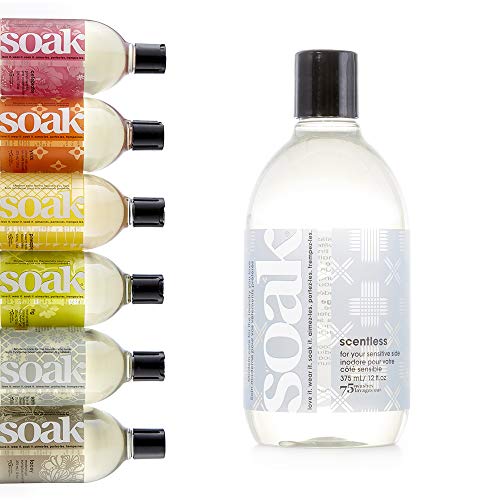
Soak is highly regarded for its rinse-free formula, which is perfect for delicate fibers like silk, bamboo, or fine merino. It is formulated to be pH-balanced, ensuring that it doesn’t strip natural fibers of their inherent luster or strength.
When a tangle is dense, a short soak in a solution of lukewarm water and a small amount of Soak can work wonders. The surfactants in the solution reduce surface tension, allowing the yarn to untwist itself with minimal manipulation.
This approach is best suited for luxury yarns where mechanical pulling might damage the structure. It requires patience, but it is the safest route for expensive or heirloom-quality materials.
Suave Essentials Conditioner: The DIY Detangler Base
For those looking for a budget-friendly alternative, a simple mixture of inexpensive silicone-free conditioner and water is a classic knitting room hack. It provides enough slip to help stubborn knots slide apart without the heavy fragrance or additives found in premium products.
However, moderation is the golden rule here. Over-applying conditioner can leave a waxy film that is difficult to remove and may alter the gauge of the finished fabric.
Always ensure the conditioner is fully rinsed out if you plan on washing the project later. If the yarn is destined for a garment that will be worn against the skin, consider skipping this method in favor of a specialized textile treatment.
The Honest Company Detangler: A Gentle Crossover
When dealing with delicate plant-based fibers like cotton or linen, The Honest Company’s detangler is a surprisingly effective crossover product. Its gentle, botanical-based ingredients are less likely to cause discoloration or chemical breakdown on cellulose fibers.
It lacks the heavy silicones found in many hair products, meaning it won’t leave the yarn feeling “tacky” or sticky after the detangling is complete. This makes it a solid option for cotton dishcloth yarn or linen summer tops that have become knotted.
Use this in situations where you are concerned about skin sensitivities or potential chemical reactions. It is a safer middle ground for knitters who prefer products with transparent, plant-derived ingredient lists.
Downy Wrinkle Releaser: For Stubborn Synthetic Tangles
Acrylic and other synthetic fibers often suffer from static buildup, which makes knots tighten and stick together. A light application of a wrinkle releaser can help dissipate that static charge and provide enough slip to gently pick apart the tangle.
Be aware that these products often contain stronger fragrances than fiber-specific treatments. This makes them a poor choice for wool, which tends to absorb odors, but an excellent choice for a bundle of acrylic yarn that has become a nightmare.
Always work in a well-ventilated area and avoid saturating the yarn. A light mist is usually all that is required to make the fibers behave.
Best Press Starch Alternative: For Crisp Plant Fibers
Occasionally, the goal isn’t just to untangle, but to regain control over fibers that have lost their structure. Best Press, while technically a starch alternative, can add enough stiffness to help “coax” knots out of crisp plant fibers like cotton or hemp.
It helps define the yarn strand, making it easier to see exactly where the knot originates. This visual clarity is a massive advantage when working with dark-colored or fuzzy yarns where the stitch path is otherwise invisible.
If you find that your yarn is limp and prone to snagging, a very light spray of this can make the detangling process much faster. Avoid using this on soft, lofty wools, as it can make them feel unnaturally stiff.
Choosing a Detangler: What’s Safe for Your Yarn?
Selecting the right product requires an understanding of how your yarn reacts to moisture and chemical agents. Consider the following factors before you spray anything onto your fibers:
- Fiber Content: Protein fibers (wool/silk) need lubrication (lanolin/oils), while cellulose fibers (cotton/linen) need moisture and anti-static agents.
- Colorfastness: Always perform a patch test on a small, hidden piece of yarn to ensure the detangler doesn’t cause bleeding or spotting.
- Residue: Think about the end goal. If the garment needs to drape beautifully, avoid heavy conditioning sprays that add weight.
- Scent: Yarns are absorbent. Products with heavy perfumes will linger in the finished project for years.
When in doubt, start with plain distilled water in a fine-mist spray bottle. Often, simple hydration is all the fiber needs to release a tension-induced knot.
How to Salvage a Hopeless Tangle Step-by-Step
When facing a catastrophic tangle, the worst instinct is to pull the ends. This only serves to tighten the knot further, often resulting in broken fibers or felted sections that are impossible to fix.
- Lay the tangle on a flat, light-colored surface. Contrast helps you identify which loop belongs to which strand.
- Apply your chosen detangler sparingly. Focus on the core of the knot, not the surrounding yarn.
- Use a tapestry needle or a pair of blunt-tipped tweezers. Gently probe the center of the knot to loosen the pressure.
- Work from the outside in. Do not attempt to pull the main end through; instead, loosen the loops at the perimeter of the knot to create slack.
- Be patient. If the knot doesn’t budge after five minutes of gentle prodding, step away for an hour. Fatigue often leads to impatient tugging, which ruins the fiber.
Preventing Knots: Winding Hanks, Skeins, and Balls
The best way to handle a tangle is to avoid it entirely through proper yarn management. Always wind your hanks into center-pull balls or cakes using a ball winder and a swift to ensure even tension from start to finish.
If you are working from a store-bought skein, avoid “center-pulling” unless you are certain it is wound to be a center-pull. Many commercial skeins are designed to be knit from the outside in, and pulling from the center often results in a “yarn barf”—a massive, tangled collapse of the skein.
Store your yarn in dedicated bags or bins to prevent it from snagging on external objects or pet fur. A well-organized stash is not just aesthetically pleasing; it is the most effective tool in your kit for preventing the frustration of a knotted mess.
Knitting is an investment of time and resources, and protecting your yarn is part of the craft. By selecting the right detangling aid and employing a patient, systematic approach, you can save almost any tangle and get back to the rhythmic joy of your project.