6 Best Sculptural Forms For Custom Shapes To Consider
Discover 6 best sculptural forms for custom shapes to elevate your design projects. Read our expert guide now to find the perfect silhouette for your workspace.
Finishing a project is only half the battle; how that finished fabric is presented can transform a loose, uneven piece into a professional-grade garment. Sculptural forms are the secret weapon for setting stitches, defining silhouettes, and ensuring every edge sits exactly where it belongs. Choosing the right tool depends on the fiber, the construction, and the final look desired. These six forms offer the structural support necessary to elevate work from handmade to masterfully crafted.
Dritz Sew You Adjustable Dress Form: Best Overall


This form stands out because it mimics the human body’s complex curves, offering a level of versatility that static shapes simply cannot match. It is designed for those who move between garment projects, allowing for precise adjustments to bust, waist, and hip measurements.
Because the dial-adjustment system changes the internal dimensions, it provides a reliable canvas for pinning seams and checking the drape of sweater bodies or skirts. It removes the guesswork of flat-blocking, where gravity often hides potential fit issues.
However, consider the structural integrity of the dial mechanism before purchasing. If a project is incredibly heavy or requires aggressive steaming, ensure the form is stable enough to handle the weight without shifting.
KnitPro Knit Blockers & Wires: For Lace Shawls
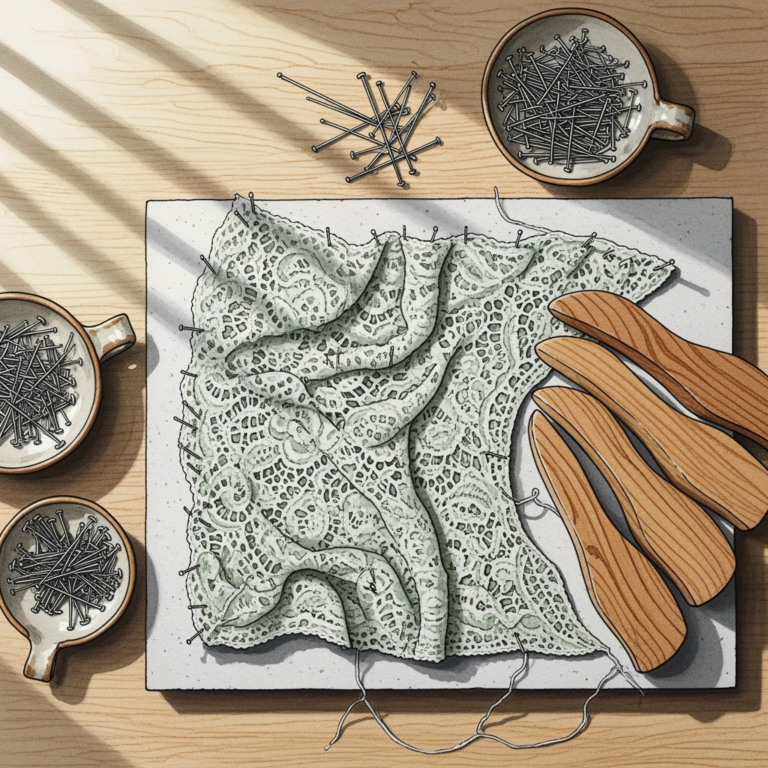
Lace requires uniform tension across every delicate point, and standard T-pins often leave unwanted ripples or gaps in the fabric. Knit blockers feature multiple pins attached to a single sturdy bar, allowing a large expanse of lace to be anchored with a single motion.
When paired with long, flexible wires that thread through the perimeter of a shawl, these blockers create perfectly straight edges and consistent scallops. They are particularly effective for blocking open-work patterns where the aesthetic depends entirely on symmetry.
Avoid using these on extremely thick, heavy cables, as the small pins are intended for delicate, lace-weight fibers like mohair or alpaca. For light, airy projects, they remain the gold standard for achieving a crisp, professional finish.
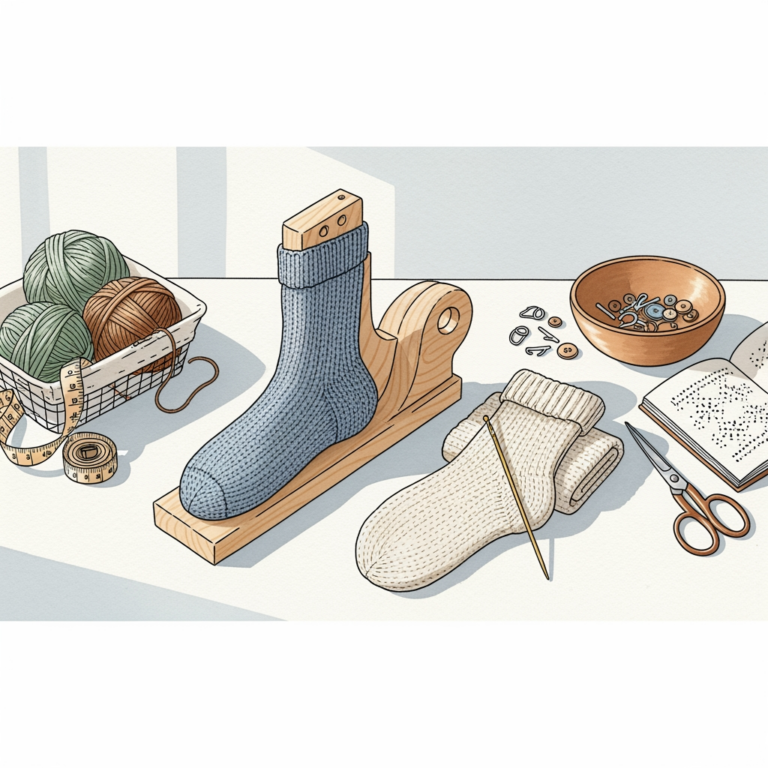
Bryspun Sock Blockers: Durable & Ventilated
Socks often suffer from uneven stitch definition after being washed, particularly in the heel and gusset areas. These plastic, ventilated forms promote airflow, ensuring the fabric dries thoroughly while simultaneously stretching the stitches to highlight pattern details like cables or lace.
The plastic construction is inherently smooth, meaning it will not snag on wool or delicate silk blends. Furthermore, the ventilation holes serve a practical purpose beyond drying: they provide reference points for checking the consistency of a stitch pattern as it wraps around the foot.
Keep in mind that sizing is critical here. If the blocker is significantly larger than the foot, it may cause the fiber to lose its elastic memory, resulting in a sock that refuses to hug the wearer’s ankle.
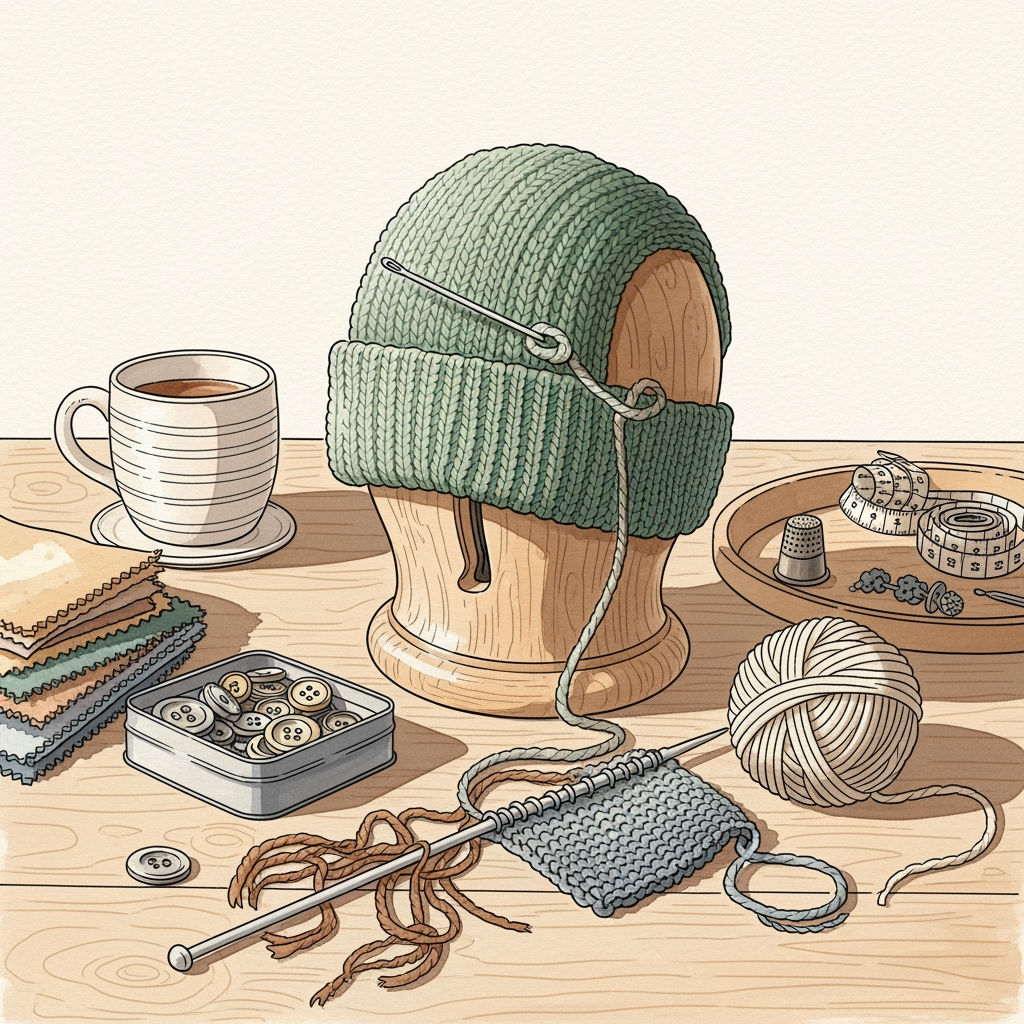
Wooden Hat Block Stand: For Perfect Millinery
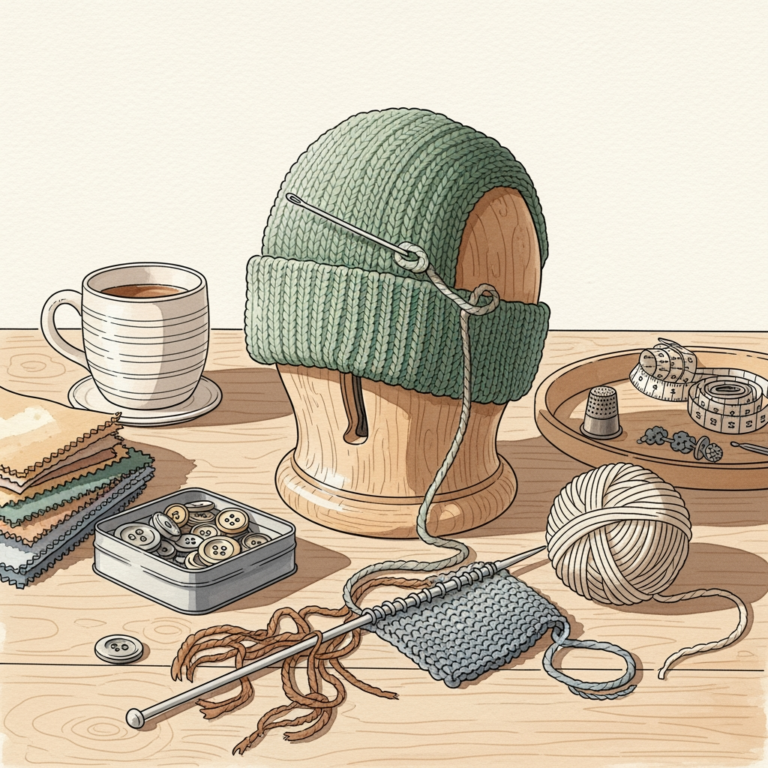
A hat block provides the necessary tension to maintain the specific shape of a cloche, beanie, or beret. Wood is the superior material here because it absorbs moisture from the damp fiber, helping the hat set into its final, rigid form as it dries.
These stands are essential for projects involving natural fibers like wool or felt, where structural memory is paramount. The solidity of the wood allows for pinning or steaming without the risk of the form warping or shifting under pressure.
If the hat involves synthetic blends, be aware that they may not hold the shape as effectively as natural fibers when removed from the wooden form. Use these for high-quality, long-term investments where shape retention is the primary goal.
Fairfield Poly-Fil Inserts: For Custom Pillows
Pillows are often the unsung heroes of fiber arts, but their form relies entirely on the quality of the insert. Using high-loft, resilient inserts ensures that hand-knit or crocheted covers retain their shape and don’t sag over time.
Selecting the right size is the most common mistake made by makers. Always select an insert that is slightly larger than the finished cover—a two-inch difference is the industry standard—to ensure the edges of the pillow are fully plumped and professional.
For long-term utility, look for hypoallergenic, machine-washable options. This ensures that the beautiful cover can be removed and cleaned without compromising the integrity of the internal form.
Hand-e-glove Mitten Blockers: For Crisp Fingers
Mitten blockers define the thumb gusset and the tips of the fingers, which are notorious for losing their shape after a few wears. These forms act as a template, ensuring that both mittens in a pair are identical in width and length.
They are particularly useful for colorwork mittens where floats might otherwise distort the fabric. By locking the stitches into place while wet, the form helps the floats settle, resulting in a cleaner, more unified pattern across the entire mitten.
While they are excellent for mittens, they are generally not adjustable. If a specific project requires a thumb gusset that is unusually long or wide, double-check the blocker’s dimensions before forcing the fabric onto the form.
How to Choose the Right Form For Your Project
The decision-making process should begin with the fiber content and the desired final silhouette. Superwash wool, for instance, has a tendency to grow when wet, necessitating a form that can support its weight during the drying phase.
Consider the complexity of the project. If the piece features intricate lace, prioritize tools that allow for edge-to-edge tension. If the goal is garment construction, a human-shaped form is worth the investment to see how the garment behaves in three dimensions.
Finally, assess the available storage space. Blocking tools are notoriously awkward, and opting for collapsible or stackable forms will save considerable frustration in the long run.
Blocking 101: Using Your New Sculptural Form
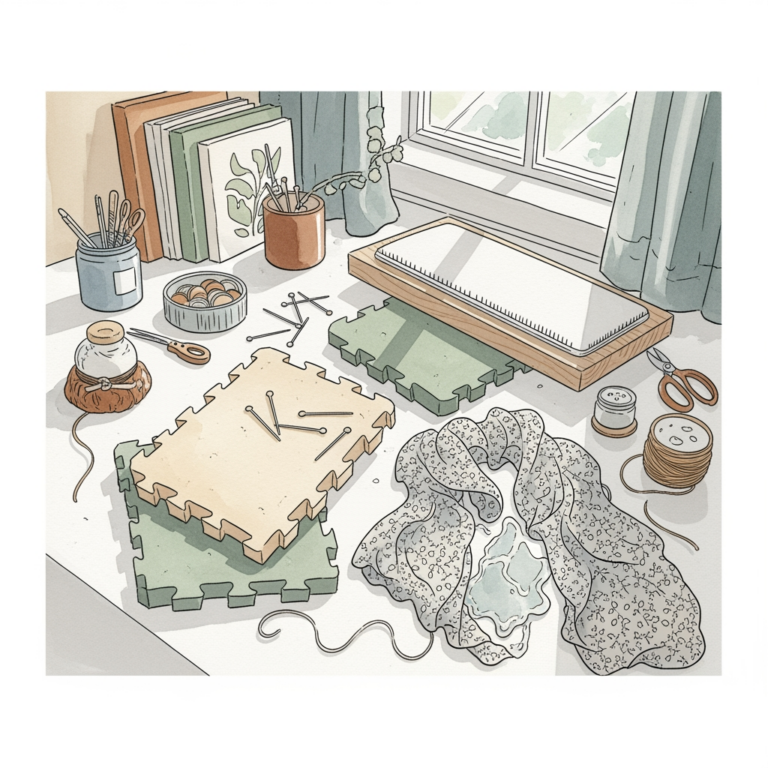
Blocking is essentially the process of re-setting the fiber’s memory through moisture and heat. Before placing any item on a form, ensure it is thoroughly cleaned and saturated in room-temperature water with a gentle wool wash.
When transferring the item to the form, handle it with care to avoid stretching the fabric beyond its intended size. Use consistent, gentle pressure to position the edges, ensuring the stitches are relaxed and even across the surface.
Once the item is positioned, allow it to dry completely in a well-ventilated area. Rushing this step by using artificial heat can damage delicate fibers, permanently ruining the work before it has the chance to set correctly.
DIY Alternatives for Blocking Custom Shapes
If a dedicated form is not within budget, household items can often serve as creative substitutes. For smaller items like socks, stiff cardboard cutouts wrapped in plastic wrap can prevent the dye from the cardboard from transferring to the knitting.
For larger garments, a pool noodle can be used to support sweater sleeves or delicate necklines. These are inexpensive, lightweight, and can be cut to any length, making them an excellent choice for a temporary structural fix.
Always ensure that any DIY material is chemically inert or covered in a protective layer. The last thing any maker wants is for a wooden or metallic household object to rust or stain a finished piece during the drying process.
Wood vs. Plastic vs. Metal: Material Matters
The material of the blocking tool dictates how the project interacts with the environment. Wood is absorbent, making it the top choice for natural fibers that require moisture management during the drying process.
Plastic is the most versatile and durable, offering a slick surface that won’t snag delicate yarns. It is the best choice for beginners who need a low-maintenance, easy-to-clean tool for a variety of projects.
Metal offers the highest degree of rigidity, making it ideal for professional-grade lace blocking where precision is non-negotiable. However, it can be heavy and unforgiving; ensure the metal surface is treated or coated to prevent any potential reaction with damp wool.
Mastering the use of sculptural forms is a transition from merely knitting a piece to crafting a lasting garment. By matching the tool to the specific needs of the fiber and the pattern, every project achieves a professional standard of finish that stands the test of time.