
6 Best Clothing Labels For Branding Handmade Goods
Elevate your creations with our top picks for clothing labels. Discover the 6 best branding options for handmade goods and give your products a professional look.
A finished handmade garment represents dozens of hours of meticulous tension management, complex stitch patterns, and careful blocking. Attaching a professional label is the final step that elevates a labor of love into a finished, identifiable piece of art. Selecting the right branding material ensures the tag complements the fiber content rather than distracting from the drape or feel of the knit. This guide outlines the most effective options for makers looking to leave a lasting mark on their work.
Wunderlabel Woven Labels: Best for Customization


Wunderlabel stands out for those who prioritize high-density woven detail over simple printed text. These labels offer an incredibly sharp resolution, which is essential if a logo includes fine lines or intricate typography that might otherwise blur.
Because these labels are woven from high-quality polyester threads, they withstand repeated washings and the friction of daily wear without fraying. For a sweater that will be laundered frequently, this durability is non-negotiable.
The primary tradeoff lies in the hand-feel. Because they are woven, the edges can occasionally feel slightly stiff until the garment has been through its first soak. Always consider the sensitivity of the wearer when choosing between center-fold or end-fold configurations.
The Dutch Label Shop: Top Choice for Pro Makers

The Dutch Label Shop is favored by those scaling a small business because of its consistent quality control and user-friendly design interface. The platform allows for precise control over label size, fold type, and material finish, making it a reliable choice for batch production.
These labels excel at mimicking the aesthetic of high-end, store-bought knitwear. The quality of the thread density ensures that the brand name remains legible even after years of use and exposure to wool wash detergents.
When ordering, keep in mind that larger labels can become a focal point rather than an accent. For delicate lacework or baby items, opt for their smaller, softer woven options to avoid adding unnecessary weight or bulk to the fabric.
EverEmblem Faux Leather Tags: Best Vegan Option
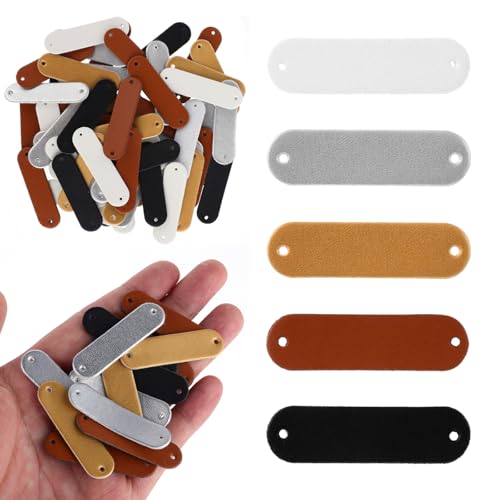
EverEmblem offers a sophisticated alternative to traditional animal-based leather that perfectly complements the rustic aesthetic of chunky, hand-knit wool. These faux leather tags provide a high-end, structural element that contrasts beautifully with soft, fuzzy fibers like mohair or alpaca.
Since these tags are typically attached via rivets or sewing through pre-punched holes, they act as a stable anchor point for the corners of hats or the hems of sweaters. They hold their shape exceptionally well, preventing the common issue of labels curling or losing their legibility over time.
Be mindful that these tags are not as flexible as woven fabric. Avoid placing them on areas of the garment that require high elasticity, such as a sock cuff or the neckband of a sweater, as the rigid material will restrict the natural stretch of the yarn.
SawyerCo. Metal Tags: For a High-End Finish
SawyerCo. metal tags introduce an industrial, polished aesthetic that works remarkably well for modern, minimalist knitwear. These tags are ideal for high-ticket items like hand-dyed cashmere scarves or intricate colorwork cowls where a fabric label might look too casual.
These tags are incredibly durable, essentially becoming a permanent fixture of the garment. They do not fade, fray, or lose their shape, providing a sense of permanence that aligns with the heirloom quality of luxury hand-knits.
Consider the weight of the metal when selecting your placement. A heavy metal tag can cause the fabric to sag if placed on a lightweight yarn like lace-weight silk; always ensure the tag is balanced by a sturdy edge or reinforced ribbing.
CustomLabels4U Cotton Labels: Best for Comfort

For makers focusing on infant wear or garments for those with sensory processing sensitivities, CustomLabels4U provides soft, organic cotton options. Cotton is inherently gentle against the skin and lacks the synthetic sheen or stiffness found in polyester-based alternatives.
These labels are often printed rather than woven, which allows for a softer finish that won’t scratch the neck or wrists. They drape naturally with the movement of the fabric, ensuring the label never feels like a separate, rigid object.
The main drawback is that cotton prints may fade or soften over time when subjected to high-temperature washing. To maximize the life of these labels, advise recipients to wash the item in cold water and lay it flat to dry.
Spoonflower Fabric Labels: Best for DIY Branding
Spoonflower allows makers to design their own fabric labels using custom-printed yardage, making it the premier choice for those who want a unique, artistic aesthetic. By ordering custom-printed cotton or poly-blend fabric, you can create a signature look that is entirely distinct from mass-produced branding.
This approach requires more manual effort, as you will need to cut and finish the edges of the fabric yourself. It is a fantastic option for makers who want to incorporate personal illustrations, brand patterns, or custom colors into their labeling system.
Because you are responsible for the cutting, ensure the grainline of the fabric is respected to prevent uneven edges. Using a fray-check liquid on the cut edges before attaching is a necessary step to ensure the label remains tidy through repeated laundering.
Woven vs. Printed Labels: Which Is Right for You?
The choice between woven and printed labels usually comes down to visual depth versus tactile comfort. Woven labels provide a tactile, structural quality that stands out, whereas printed labels offer a smoother, more subtle integration with the fabric.
- Woven labels: Ideal for branding, logos, and long-term durability. Best for heavy-duty items like blankets, winter hats, and sweaters.
- Printed labels: Best for complex designs, delicate materials, or situations where comfort against the skin is the highest priority.
Consider the weight of your yarn before deciding. A chunky wool hat can handle the thickness of a woven label, but a lightweight fingering-weight sock would be better served by a thin, flexible printed tag.
Choosing a Label Material: Leather vs. Fabric
Leather (or faux leather) tags offer a rigid, premium aesthetic that acts as a design feature, while fabric labels act as a functional, unobtrusive identifier. When deciding between the two, consider the overall “vibe” of your project.
Leather and faux leather are excellent for items like beanies and cowls where the label sits on the exterior. Fabric labels are generally better suited for interior placement, such as inside a neckline or hem, where they perform the task of identification without drawing the eye away from the stitch pattern.
Avoid using real leather on machine-washable items, as the moisture can damage the skin and lead to dye bleeding onto your hand-knit stitches. Always test for colorfastness if attaching a leather tag to a light-colored, moisture-wicking fiber.
How to Perfectly Attach Your New Brand Labels
Attaching a label is not merely an afterthought; it is a structural engagement with the fabric. Use a needle and thread that matches the weight of your yarn, and always ensure you are catching enough stitches to prevent the label from sagging.
When attaching fabric labels, use a small whip stitch or a ladder stitch to secure them cleanly to the inside of a hem. Avoid using heavy-duty machine needles if you are sewing by hand, as they can inadvertently split delicate plies of yarn.
For exterior leather or metal tags, use a sturdy, waxed nylon thread to prevent breakage. Ensure the tag is centered or aligned with a vertical column of stitches to maintain the symmetry of your finished project.
Clever Label Placement Ideas for Handmade Goods
Placement is where branding moves from functional to intentional design. For sweaters, the bottom hem is the most classic location, but placing a label on the lower sleeve cuff creates a modern, custom look that is highly visible during wear.
Consider incorporating labels into the design itself. A long, folded label can act as a decorative tab on the edge of a shawl or the corner of a blanket, adding movement and texture to the piece.
Don’t be afraid to experiment with hidden placements for a more subtle approach. Attaching a label to the interior neckband or the inside of a cuff ensures that the wearer knows the item is handmade without the branding interfering with the exterior aesthetic.
Selecting the right label is a critical final step in the crafting process that communicates both your identity as a maker and the quality of your materials. By balancing the physical properties of the tag with the intended use of the knitwear, you ensure that every piece you create maintains its integrity and charm for years to come. Regardless of whether you choose woven luxury or soft, printed cotton, the effort you put into branding elevates your work into a true, recognizable professional standard.