7 Best Sewing Irons For Crisp Pleats Worth Owning
Upgrade your garment construction with the 7 best sewing irons for crisp pleats. Explore our top expert-tested picks and improve your pressing results today.
Achieving a razor-sharp pleat in a hand-knitted garment or a finely tailored accessory requires more than just patience; it demands the right heat and moisture combination. While knitting often focuses on the tension of the stitches, the final presentation relies heavily on how those fibers are set and manipulated post-construction. The following tools represent the standard for managing fabric structure, ensuring that every fold remains crisp and professional. Choosing the right equipment transforms a handmade piece into a masterfully finished heirloom.
Oliso M2 Pro Mini: Best for Precision Pleating


Compact irons are a necessity when dealing with delicate pleats on small-scale projects like doll clothes or intricate lace detailing. The Oliso M2 Pro Mini excels in these tight spaces, allowing for pinpoint accuracy that larger irons simply cannot replicate.
Its standout feature, the iTouch technology, lifts the iron automatically, preventing accidental scorches on sensitive natural fibers like alpaca or merino. This reduces wrist strain during long pressing sessions, as there is no constant lifting and setting down.
While it lacks the massive water tank of a full-sized unit, its portability makes it ideal for a small crafting desk. It is a specialized tool, best suited for finishing touches rather than heavy-duty steaming of large garment panels.
Rowenta DW5080: Ultimate Steam for Crisp Folds

Steam is the secret weapon for setting deep pleats in dense fabrics like wool felt or heavy cotton blends. The Rowenta DW5080 delivers a consistent, high-pressure steam output that penetrates deep into the fibers, causing them to relax and reshape into the desired form.
The stainless steel soleplate is designed with hundreds of micro-holes, which ensure steam is distributed evenly across the surface. This prevents localized moisture spots that can lead to uneven shrinking or distortion in the finished knit.
This iron is heavy, which is an advantage when pressing pleats, as the weight helps “set” the fold into place. For those working on thick, robust fibers, this iron provides the necessary pressure to turn a soft knit into a structured garment.
Panasonic NI-WL600: Best Cordless Iron for Sewists
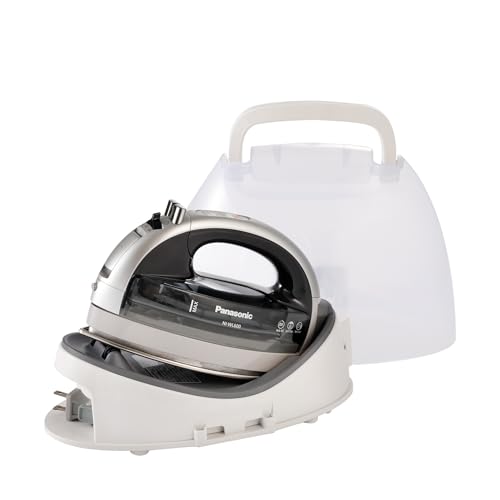
Dealing with a cord can often lead to dragging or snagging on delicate knitted surfaces. The Panasonic NI-WL600 solves this by utilizing a cordless design, providing total freedom of movement as you navigate around complex seams and pleats.
Because it relies on a charging base, the heat management is handled differently than a plug-in unit. It is perfect for quick, precise pressing where you need to move the iron at odd angles without the interference of a heavy cable.
One trade-off is the need to return the iron to the base frequently to maintain peak temperature. It is best for short, focused bursts of work rather than continuous, marathon pressing sessions.
Clover Mini Iron II: Top Choice for Tiny Details
When working with delicate ribbons, bias tape, or tiny pleats in miniature items, full-sized irons are often too cumbersome. The Clover Mini Iron II features interchangeable tips, allowing for extreme precision in areas where a standard soleplate would cause accidental creases.
This tool is less about steam and more about dry, targeted heat. It is incredibly effective for smoothing out small sections of knitting that have been warped during the blocking process.
It does not generate significant heat for large areas, so consider it a detail-oriented supplement to your kit. It excels in tasks that require surgical-like control over fabric folds.
BLACK+DECKER D3030: A Solid Budget-Friendly Pick
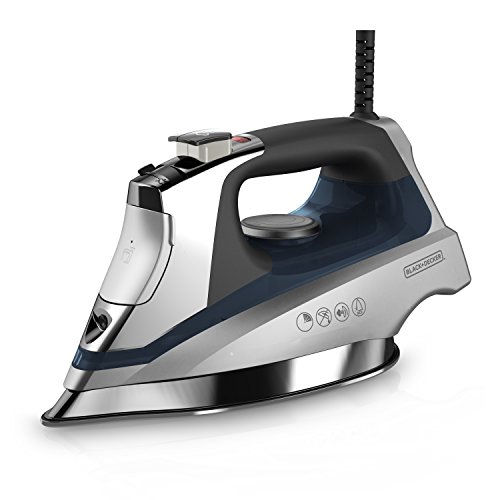
Reliability does not always require a high price tag, and the BLACK+DECKER D3030 provides excellent utility for the average maker. It features a digital temperature control, which is vital when working with synthetic yarns that have a low melting point.
The soleplate is engineered for a smooth glide, reducing the risk of stretching or catching on loose stitches during the pressing process. It handles steam production well enough for standard blocking needs.
While it lacks some of the premium features found in high-end steam stations, it is a workhorse that serves well for everyday project finishing. It is an excellent choice for those who want consistent results without an excessive investment.
Reliable Velocity 200IR: Pro-Level Steam Power
If you are a serious garment maker who frequently works with heavy wools or complex tailored pieces, this steam iron is a game-changer. It uses a unique technology to eliminate the waiting time between steam bursts, providing a constant, powerful flow.
The pressurized steam allows you to block heavy items, such as a full-length cable-knit sweater, with minimal effort. It effectively “locks” the pleats or stitch patterns into place, ensuring they retain their shape long after the iron is put away.
Be prepared for the size and weight of this unit; it requires dedicated space in a studio. It is professional-grade equipment for those who treat their fiber arts as a high-level craft.
CHI Steam Iron: Best for a Smooth, Ceramic Glide
The CHI Steam Iron features a ceramic-infused soleplate that glides effortlessly over even the most textured knitting. This is critical for preventing the “dragging” effect that can inadvertently stretch a finished piece out of shape.
The heat distribution is remarkably even, which helps in preventing hot spots that might otherwise singe fine, delicate natural fibers like mohair or silk. It combines a professional feel with intuitive controls.
This iron strikes a balance between power and ease of use, making it suitable for both beginners and experienced makers. Its design is ergonomic, keeping the weight centered to reduce fatigue during longer blocking sessions.
Choosing the Right Iron for Your Fabric Type
The golden rule of pressing is to match the heat level to the fiber content. Always check the fiber tag; high heat can destroy synthetic fibers like acrylic, while natural fibers often require steam to reset their structure.
- Wool/Animal Fibers: Benefit from high steam and moderate to high heat to relax and shape.
- Cotton/Plant Fibers: Require higher heat and firm pressure to remove wrinkles and set crisp pleats.
- Synthetics/Acrylics: Demand low heat and minimal contact; steam should be used with caution to avoid melting the fiber.
If you are unsure of the fiber content, always perform a test press on a swatch. A small patch of the same yarn, treated with the same heat, prevents accidental damage to the finished project.
Steam vs. Dry Iron: What’s Best for Your Pleats?
Dry ironing is generally reserved for fabrics that react poorly to moisture, such as certain delicate silks or synthetic blends. However, for most knitting projects, steam is the superior choice for creating permanent, sharp pleats.
Steam adds a level of pliability to the yarn, allowing the fibers to temporarily rearrange their orientation as they cool. When the steam dissipates, the fold remains locked in that new position, resulting in a much crisper, longer-lasting pleat.
Use dry pressing only when you need to crisp up a seam without introducing moisture-induced shrinkage. In almost all other cases involving pleats, the moisture provided by a steam iron is the key to success.
Tips for Pressing Perfectly Crisp Pleats Every Time
To achieve the best results, use a pressing cloth between the iron and the knitted surface. This layer of protection prevents the soleplate from coming into direct contact with the fibers, which minimizes the risk of shine or flattening the texture of the stitch.
When forming a pleat, use a wooden clapper—a heavy, flat block of wood—to hold the fold in place immediately after applying steam. The wood absorbs the residual moisture and heat from the fabric, setting the pleat sharply as it cools.
Work in sections, and resist the urge to move the iron back and forth; press and lift instead. Sliding the iron can pull on the knit, potentially distorting your carefully constructed gauge or cable work.
Investing in a high-quality iron is one of the most underrated steps in elevating the professional appearance of your knitting projects. By selecting a tool that aligns with your specific fiber needs, you ensure that every stitch and pleat is presented with the precision it deserves. Consistent pressing habits will ultimately distinguish a casual project from a truly polished garment.