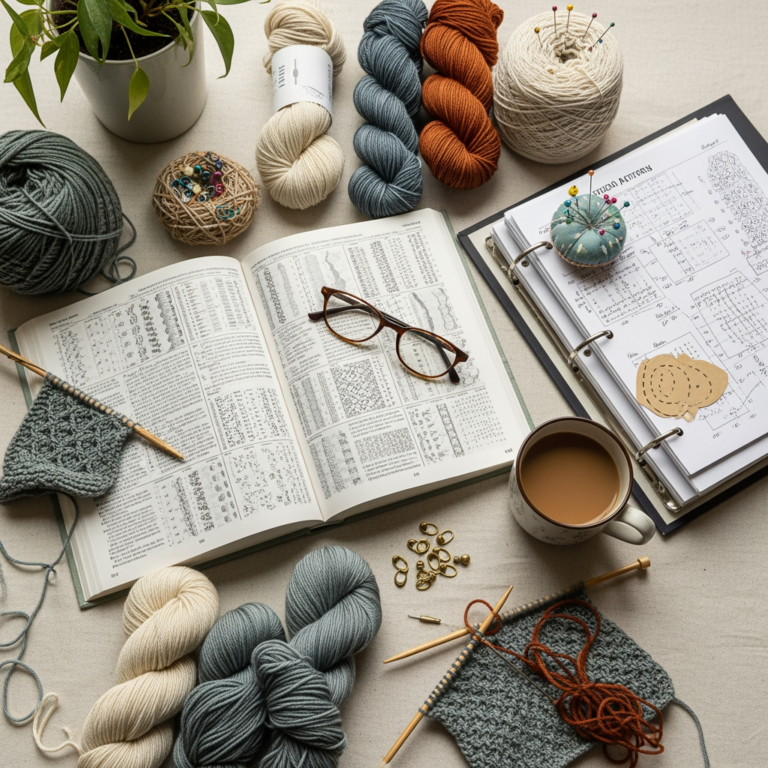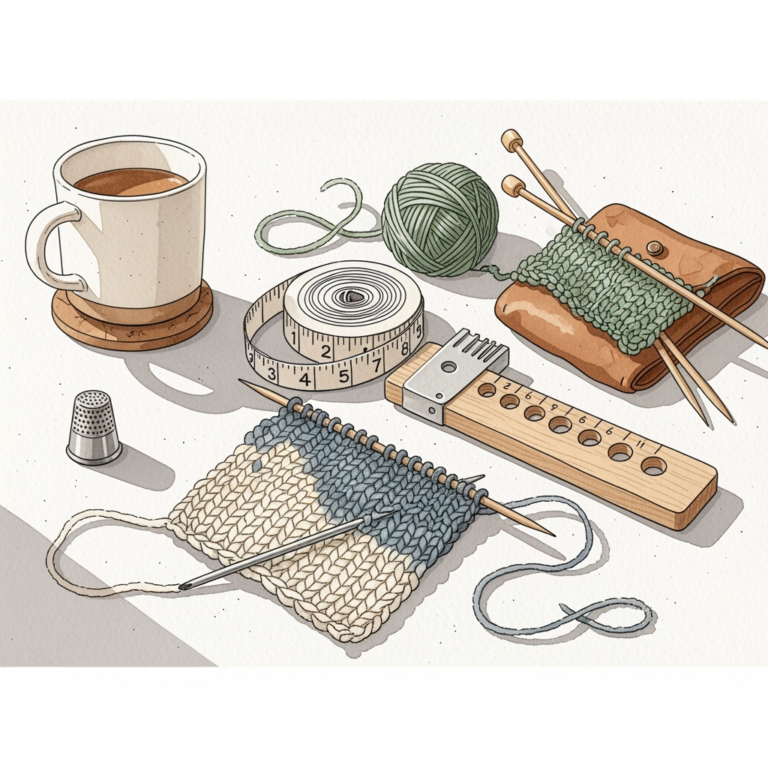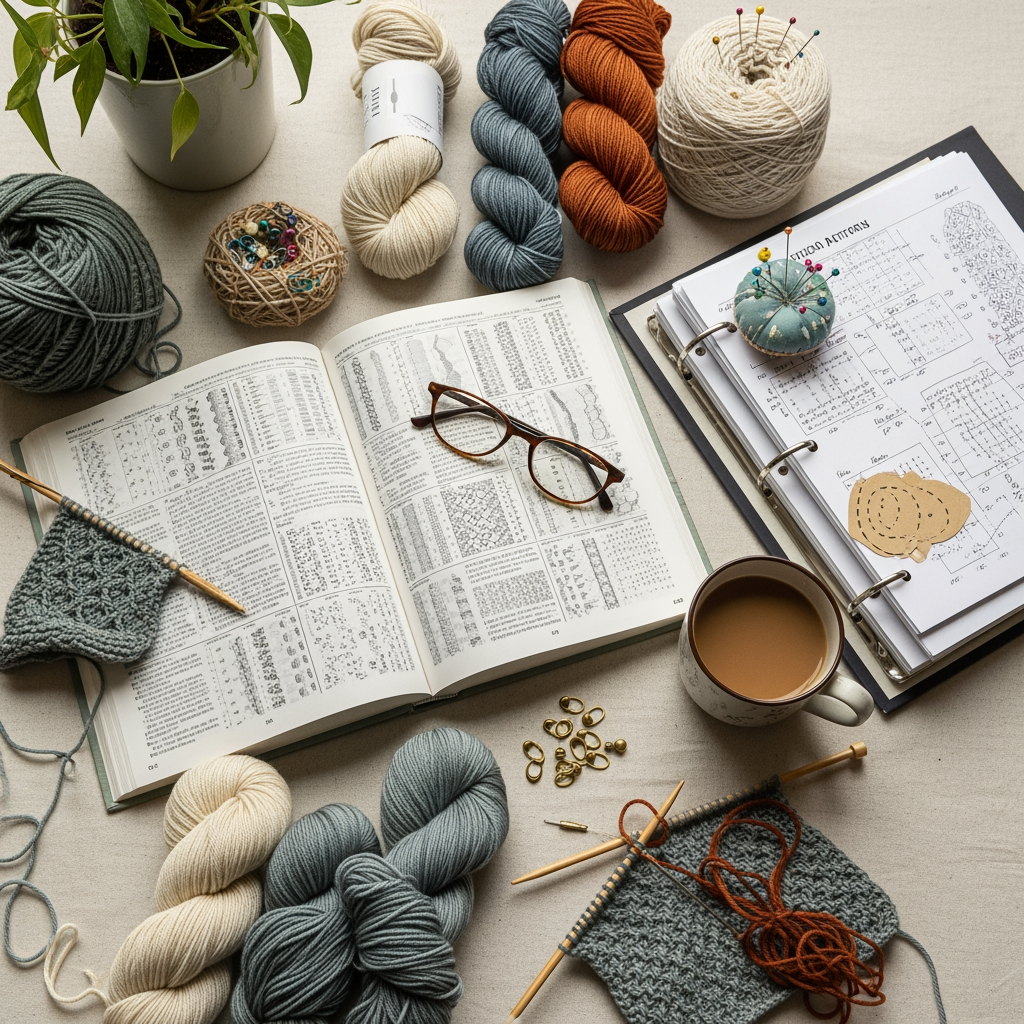
6 Best Mosaic Instructional Books For Advanced Techniques
Master complex designs with our 6 best mosaic instructional books for advanced techniques. Elevate your artistic skills and order your favorite guide today.
Mosaic knitting remains one of the most accessible yet deceptively complex ways to introduce color into a project without the tangle of traditional stranded fair-isle. By using only one color at a time and slipping stitches, knitters achieve intricate, geometric results with a fraction of the usual headache. Mastery of this craft requires more than just following a chart; it demands an understanding of tension, stitch anatomy, and the interplay between yarn weights. These six books serve as the definitive pillars for anyone looking to push their mosaic work from basic repeats to professional-level compositions.
Mosaic Knitting by B.G. Walker: The Original Bible
Barbara Walker’s foundational work remains the undisputed authority on the mechanics of slip-stitch colorwork. It does not merely offer patterns but provides a systematic framework for how stitches interact when moved from needle to needle without being worked.
The text is essential for those who want to understand the why behind every slipped stitch rather than just following a set of instructions. It breaks down the logic of color alternation, making it the perfect starting point for building a deep, structural understanding of the craft.
While the photography may appear dated compared to modern publications, the geometric principles remain timeless and mathematically sound. It serves as an encyclopedia of motifs that can be adapted to almost any gauge or garment construction.
The Art of Slip-Stitch Knitting: For Deep Dives


This book transitions from simple mosaic motifs into the realm of complex texture and structural manipulation. It excels by explaining how slip-stitches affect the final drape and stretch of a fabric, a crucial consideration when moving from scarves to fitted sweaters.
The technical focus here is on the interaction between stitch height and yarn elasticity. Knitters who struggle with the “puckering” often associated with mosaic knitting will find the troubleshooting guides incredibly effective for normalizing gauge across different color blocks.
It is an excellent choice for the maker who intends to modify existing patterns rather than just replicating them. The deeper focus on how stitches travel vertically across rows provides a masterclass in stitch design that few other books offer.
AlterKnit Stitch Dictionary: Best for Designers

For those who view a pattern as a suggestion rather than a mandate, this book is an indispensable resource. It functions more as an open-ended design tool, filled with high-contrast motifs that range from traditional geometric shapes to whimsical, modern silhouettes.
The primary strength lies in the clarity of the charts and the organization by motif style. It allows for modular design, where one can easily swap a simple mosaic panel into the hem of a jumper or the back of a cardigan.
It assumes a level of comfort with standard knitting terminology, making it a perfect companion for the intermediate knitter ready to experiment. The layout facilitates mixing and matching, which is the hallmark of a truly confident designer.
Mosaic Magic by Lily Chin: Pushing Boundaries
Lily Chin approaches mosaic knitting with an experimental mindset that challenges conventional rules about color and structure. This book is for the knitter who wants to move beyond the traditional two-color, flat-knitted square.
The projects within focus on shaping, bias knitting, and innovative construction methods that utilize mosaic patterns to their full potential. It pushes the reader to see slip-stitch knitting as a sculpting tool for the garment itself, rather than just a decorative finish.
Expect a steep learning curve, as the techniques involve advanced manipulation of the fabric. This is the volume to reach for when typical scarf and hat patterns no longer feel challenging enough to hold your interest.
Slip-Stitch Knitting by Roxana NDL: Modern Pick
This book strikes an ideal balance between modern aesthetics and clear, actionable technique. It avoids the dense, overly academic tone of older manuals, opting instead for a highly visual approach that appeals to the contemporary knitter.
The patterns are current and stylish, providing immediate gratification for those who want to wear their creations as soon as they are off the needles. It bridges the gap between traditional techniques and modern color palettes, making the results look like boutique fashion rather than handmade crafts.
It is the best option for visual learners who benefit from seeing the relationship between a chart and the physical fabric. The instructional photography is exceptionally clear, capturing the nuances of yarn tension that can make or break a mosaic project.
Mosaic Knitting by A. Wempe: Best for Projects
A. Wempe provides a project-focused approach that is ideal for knitters who learn best by doing. By framing mosaic techniques within the context of specific, high-end garments, it provides a practical roadmap for completing complex pieces.
The book is particularly strong at explaining the “bridge” between different sections of a project, such as moving from a mosaic border to a plain-knit body. This is a common stumbling block for intermediate knitters, and the guidance here is precise and helpful.
If you are looking for a book that will lead you through the creation of a full, cohesive garment from cast-on to blocking, this is the most reliable choice. It turns the theory of slip-stitch colorwork into a functional, wearable reality.
How to Choose the Right Mosaic Knitting Book
Selecting the right book depends entirely on whether the priority is technical theory or project-based execution. Those who enjoy designing their own garments should lean toward stitch dictionaries and structural guides, while those who prefer to follow a map will find more value in project-based collections.
Consider the complexity of the charts as well, as some books prioritize dense, multi-repeat motifs that can be overwhelming for a first-time mosaic knitter. Start with a volume that emphasizes clear, foundational charts before moving into the experimental, boundary-pushing texts.
- For Designers: Look for books that emphasize modularity and motif libraries.
- For Perfectionists: Seek out guides that focus on tension management and troubleshooting.
- For Project Knitters: Choose books that showcase full-length garment patterns.
Mastering Yarn Choices for High-Contrast Mosaic
Mosaic knitting relies heavily on visual definition, which makes yarn selection the most critical factor in the final outcome. High-contrast colors are standard, but the texture and ply of the yarn matter just as much as the hue.
Avoid using yarns that are too “hairy” or fuzzy, such as mohair or heavily brushed wool, as they will obscure the stitch definition and blur the mosaic lines. A smooth, high-twist, worsted-spun yarn provides the best stitch clarity, ensuring that the slipped stitches appear crisp and defined.
- Fiber Choice: Merino offers the best balance of drape and stitch definition.
- Ply Matter: A 4-ply or 6-ply yarn provides a more rounded, distinct stitch than a single-ply yarn.
- Needle Match: Pair your yarn with a needle that creates a slightly tighter gauge than standard, as this prevents the slipped stitches from becoming loose or uneven.
Reading and Adapting Complex Mosaic Charts
Reading a mosaic chart requires understanding that each row is worked twice: once with the active color and once with the background color. Failure to account for this two-pass rhythm is the most common reason for mistakes in advanced patterns.
Always check the key to understand how the chart handles slip-stitches. A “slipped stitch” in a chart typically means the stitch is moved to the right needle without being worked, while the yarn remains in the back of the work.
When adapting a chart to a new project, always calculate the stitch repeat carefully. If your garment requires shaping, try to integrate the mosaic motif so that the shaping occurs on the plain-colored rows to keep the chart count intact.
Fixing Mistakes in Advanced Mosaic Knitting
Mistakes in mosaic knitting are often hidden beneath the surface of the fabric, but they will inevitably manifest as a loose, “stretched” stitch in the final product. Identifying these early is vital; if you notice a mistake from three rows back, use a crochet hook to ladder down the affected stitch column and re-work it.
When working complex charts, place removable stitch markers at the beginning and end of each pattern repeat. This simple habit allows you to verify your position on the chart row-by-row, preventing errors from cascading throughout the piece.
If the fabric feels too tight or too loose, check your tension on the slipped stitches specifically. They are prone to being pulled too tightly, so practice keeping a gentle, consistent tension even when transitioning from working a stitch to slipping one.
Mastering mosaic knitting transforms the way a maker views color in fiber arts, turning simple stitches into sophisticated graphic art. By choosing the right reference material and respecting the fundamental mechanics of tension and yarn choice, you can produce professional-quality garments that showcase both skill and design intent.