7 Best Clasp Replacements For Racerback Styles To Try
Struggling with uncomfortable straps? Discover the 7 best clasp replacements for racerback styles to upgrade your comfort. Read our expert guide and shop now.
Racerback designs in knitwear often create a unique challenge: the straps tend to migrate toward the neck, causing discomfort and shifting the garment’s structure. Finding a functional, stylish way to secure these straps is a common struggle for those working with lightweight cotton blends or heavy wools. The right clasp does more than just hold fabric in place; it becomes a structural element that prevents shoulder slippage while enhancing the aesthetic finish. Choosing the correct hardware ensures your hard work remains comfortable and perfectly fitted throughout the day.
Dritz Racerback Bra Clips: Best for Quick Fixes


These plastic clips are the gold standard for immediate structural adjustments. They function by pulling the straps toward the center of the back, effectively converting a standard strap configuration into a racerback shape instantly.
Because they are lightweight and unobtrusive, they work beautifully with fine-gauge knit camisoles or summer tops. They are particularly effective when a garment has developed a bit of “knit-in” ease or stretch over time, helping to tighten the fit without requiring a full re-knit.
The primary trade-off is durability. Plastic clips can snap under the tension of heavier, high-twist wools or if they are pulled too tight during wear. Use these for light cotton or bamboo blends, but look elsewhere for projects involving heavy, oversized pullovers.
Mag-Snaps Magnetic Closures: Easiest On and Off

Magnetic closures offer a sophisticated, seamless look that is perfect for delicate knit fabrics. They rely on strong neodymium magnets to lock the straps together, allowing for a “click-and-go” experience that avoids the hassle of traditional fasteners.
These are an excellent choice for knitters who struggle with fine motor tasks or for garments designed for ease of wear. Since magnets do not require mechanical force, they reduce the stress placed on the stitches, preventing the “pulling” look often seen with buttonholes.
Always consider the weight of the yarn before selecting a magnet strength. If the garment is a dense, cabled wool, a weak magnet will pop open with every movement. Reserve these for lightweight lace projects or silk-blend tops where the fastener won’t be under heavy load.
Metal G-Hooks for Swimwear: Most Secure Option
Metal G-hooks are designed for high-tension environments, making them ideal for heavy or structural knitwear. These hooks catch the strap loop firmly, ensuring that the back of the garment stays securely in place regardless of body movement.
Because they are manufactured from coated metal, they withstand repeated washing cycles better than plastic alternatives. They offer a utilitarian, industrial aesthetic that pairs perfectly with modern, minimalist knit designs.
Be mindful that metal can cause abrasion on very delicate fibers like mohair or loosely spun singles. If using G-hooks with fragile yarns, ensure the edges are filed smooth or protected by a small reinforcement patch of knit fabric on the underside.
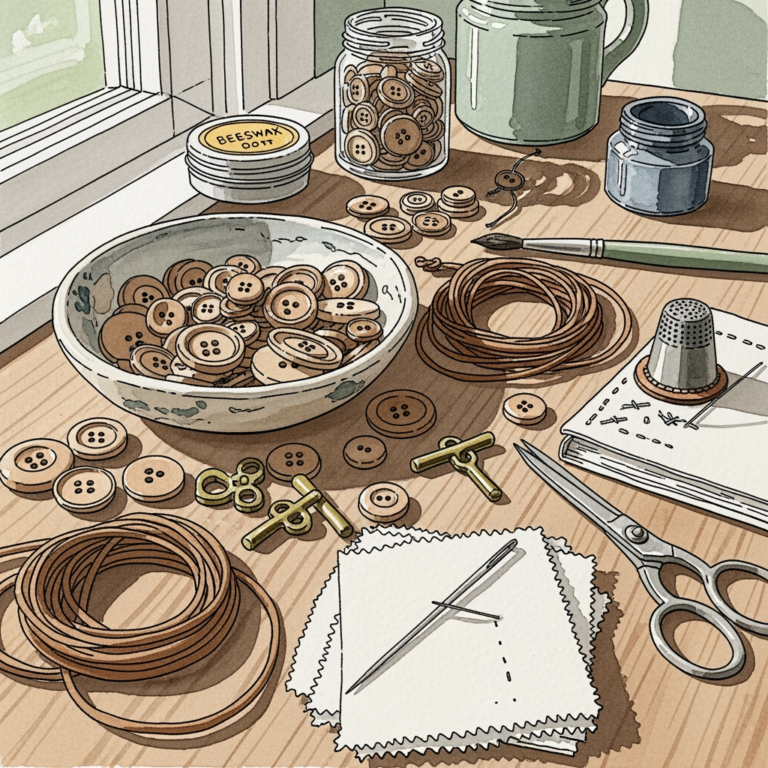
Jul Designs Leather T-Closures: Most Stylish Pick

Leather T-closures bring an artisanal, professional finish to handknits that feels inherently high-end. These clasps slide through a knitted loop, creating a secure attachment point that is as decorative as it is functional.
They are particularly suited for rustic, hand-spun wools or chunky winter layers. The organic nature of leather complements the texture of wool, creating a cohesive look that mass-produced plastic simply cannot replicate.
The main consideration is care. Leather often requires removal before washing, or it must be treated to withstand moisture. When knitting the loops for these closures, reinforce the stitches with a slightly thinner, non-superwash yarn to prevent the weight of the clasp from stretching out the surrounding fabric.
Prym Snap Fastener Tape: Best No-Slip Solution
Snap tape is a brilliant solution for knitters who want to avoid individual sewing. It consists of a strip of fabric with pre-attached snaps, which can be sewn directly onto the underside of your racerback straps.
This option is perfect for those who find individual fasteners too fiddly or difficult to align perfectly. It distributes the tension across a wider area of the fabric, which prevents the concentrated “pucker” that often occurs when a single button or clip holds a heavy strap.
Because it is a semi-permanent solution, it works best on garments that don’t need frequent adjustment. Ensure you anchor the tape using a whip stitch that catches the inner structure of your knit, rather than just the surface loops, to avoid visible sagging.
Handmade Ceramic Button Set: Best Artisanal Touch
Ceramic buttons offer a unique way to turn a functional necessity into a focal point of the design. When paired with a handmade loop, they provide a secure hold that feels personal and distinct.
When using ceramic components, pay attention to the surface texture. A glazed finish may be slick and prone to slipping, while a matte or etched finish provides better grip for a knit strap. Ensure the button shank is large enough to pass through your chosen yarn density without fraying the fibers.
Always use a high-quality, long-staple thread to attach these buttons, as the weight of the ceramic can cause a standard thread to snap over time. Incorporating a small piece of stabilizer or a backing button inside the garment will keep the ceramic button from pulling through the knit fabric.
Decorative Frog Closures: Best for Statement Backs
Frog closures, traditionally seen in heirloom garment construction, add a touch of drama to the back of a knit top. They allow for adjustable tension, as the loop can be tightened or loosened depending on the wearer’s preference.
These work exceptionally well with intricate lace or colorwork patterns where you want the closure to serve as an extension of the design. They add a sophisticated, vintage-inspired silhouette that elevates a simple racerback shape.
The challenge with frog closures is their complexity during laundry. They can tangle or distort if machine washed, so hand-washing is non-negotiable. Always block the garment with the closure fastened to ensure it retains its intended shape while drying.
How to Choose the Right Clasp for Your Knit Top
- Weight Matters: Match the weight of the clasp to the weight of the yarn. A heavy metal buckle will ruin the drape of a light linen top.
- Fiber Integrity: If using delicate yarns, avoid sharp-edged metal hooks that can snag individual plies.
- Washability: Determine if the hardware is stainless and if it can withstand the agitation of a delicate cycle or hand-wash basin.
- Adjustability: If the garment’s fit is expected to change slightly after blocking or with wear, choose a closure that allows for tension adjustment.
Tips for Sewing Clasps onto Your Handknits
Always reinforce the attachment site with a small square of woven fabric or ribbon on the inside of the knit. This prevents the hardware from pulling through the stitches over time.
Use a sewing thread that matches the color of your yarn but opt for a polyester blend for superior strength. When sewing onto superwash wool, which tends to be slipperier than traditional wool, use a finer needle to avoid creating large holes that can lead to ladders or runs.
If the clasp is heavy, distribute the weight by sewing it onto a “patch” of tight, dense knitting or crochet. This prevents the weight of the closure from distorting the drape of the rest of the garment.
Metal vs. Plastic: Which Clasp is Best for You?
Metal clasps offer superior durability and a professional weight, but they require careful handling to avoid rusting or snagging delicate fibers. They are the top choice for heavy winter garments or pieces designed for high-activity, long-term wear.
Plastic clasps are lightweight, hypoallergenic, and far less likely to snag the delicate structure of a hand-knit. They are the practical choice for summer wear, baby items, or any project where you want the hardware to be invisible and low-maintenance.
Ultimately, the choice comes down to the intended “life” of the garment. If the project is an heirloom-quality piece meant to last decades, invest in high-quality metal or wood. For casual, seasonal tops, plastic is often the more functional and user-friendly companion.
Finding the perfect racerback clasp is an exercise in balancing structural necessity with the aesthetic vision of your project. By carefully considering the weight of your yarn, the intended care routine of the garment, and the desired visual impact, you can select hardware that enhances rather than compromises your knitwear. With these options in your toolkit, every racerback design can be both secure and beautifully finished.