7 Best Sweater Combs For De-pilling Garments To Try
Revive your favorite knits with our top 7 sweater combs. This guide compares the best tools to safely remove pilling and restore a smooth, like-new texture.
We’ve all spent hours perfecting a hand-knit sweater, only to watch it develop unsightly pills after just a few wears. Pilling is a natural byproduct of fiber friction, but it doesn’t have to be the end of your garment’s life. Choosing the right tool to remove these fuzzy clusters is essential to preserving the integrity of your hard work. Here are seven effective options to help you keep your knitwear looking as fresh as the day you cast it off.
Gleener Fabric Shaver: The Versatile Top Choice
The Gleener is unique because it isn’t just one tool; it’s a three-in-one system designed to handle different fabric weights. It features interchangeable edges, each calibrated for a specific level of fuzziness and fiber thickness.
For a knitter working with a bulky, rustic wool, the heavy-duty edge works wonders on deep pills. Conversely, if you are maintaining a fine-gauge merino cardigan, the gentlest edge prevents the tool from catching on the delicate stitches.
The primary tradeoff is the manual nature of the device. While it requires a bit of elbow grease, you have total control over the pressure applied, which is a major advantage when working with hand-dyed yarns that might be more susceptible to surface damage.
D-Pill Sweater Comb: Best for Delicate Knits
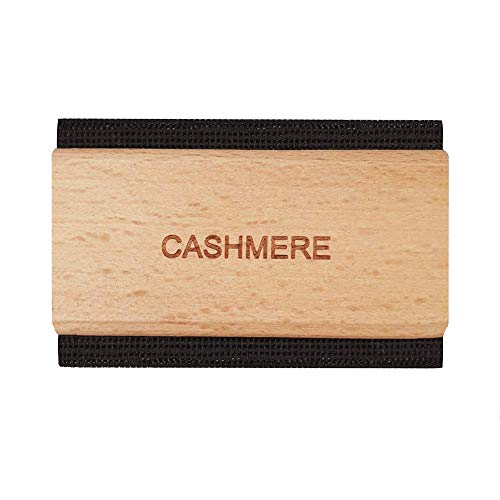

If you are nervous about taking a blade to your precious lace shawls, a simple, non-electric comb like the D-Pill is your best friend. It operates on the principle of gentle friction rather than cutting, making it much safer for fragile fibers.
This tool is particularly effective for high-twist yarns where pills are small and localized. Because it lacks moving parts, you can navigate intricate stitch patterns, like cables or bobbles, with much more precision than a bulky electric device.
Keep in mind that this requires patience and a steady hand. You must lay your garment perfectly flat on a hard surface to ensure you aren’t pulling at the actual structure of the knit fabric.
The Laundress Fabric Comb: Premium Wood Design

There is a tactile satisfaction in using a tool made of cedar, and The Laundress comb offers exactly that. It is a minimalist, elegant solution that feels like a natural extension of the fiber arts process.
This tool excels on tighter, smoother knits where pills sit on the surface. Its fine metal teeth are spaced to catch the stray fibers of a pill without snagging the plies of your yarn, provided you use a light, sweeping motion.
While it is a beautiful object, it is best suited for maintenance rather than restoration. If you have a sweater that has been neglected for seasons, you might find the manual labor required to be quite significant.
Conair Fabric Shaver: Best Battery-Powered Pick

When you have a closet full of sweaters that all need a refresh, manual combs can lead to hand fatigue. The Conair Fabric Shaver is a reliable, battery-powered workhorse that does the heavy lifting for you.

The key to using this safely is to never press down hard. Just let the head of the shaver glide across the fabric; if you push, you risk nicking the yarn, which could lead to a hole in your precious hand-knit.
This is best for sturdy, commercially spun yarns or superwash wools that can handle a bit of mechanical intensity. Avoid using this on loosely spun, single-ply yarns, as the suction and blade action can easily pull apart the delicate fibers.
Philips Fabric Shaver: Precision Blade System
The Philips model is favored for its large shaving head, which covers more surface area in less time. It is a great choice if you are dealing with a large-format project like a heavy-weight blanket or a chunky, oversized sweater.
The precision blade system is designed to adjust its height, which helps in preventing the blades from getting too close to the fabric surface. This is a thoughtful design feature for knitters who worry about thinning out their fabric over time.
Always remember to empty the lint reservoir frequently. When the chamber fills up, the air flow is restricted, which can cause the device to overheat or lose its effectiveness, leading to uneven results.
Evercare Fabric Shaver: The Budget-Friendly Fix

Sometimes you don’t need a high-tech solution; you just need something that works reliably when you’re in a pinch. The Evercare shaver is an accessible, no-frills option that gets the job done without a steep investment.
It is particularly useful for students or beginners who are just starting to build their toolkit. It handles standard acrylic or wool-blend yarns quite well, making it a solid choice for "everyday" sweaters that see a lot of wear.
Do be aware that the build quality is lighter than premium models. It is a great starter tool, but treat it with care to ensure the motor and blades last through multiple seasons of sweater weather.
Houseables Fabric Comb: Best for Thick Wools
If you knit with rustic, high-micron wools—the kind that are warm and durable but prone to heavy pilling—you need a tool with a bit more "bite." The Houseables comb is designed to tackle these tougher, thicker fibers.
The teeth on this comb are slightly wider and more robust than those on a delicate-knit tool. This allows it to grab large, stubborn pills that would simply slide through the teeth of a finer comb.
Use this with caution on anything with a delicate halo, like mohair or angora. The aggressive nature of the comb could strip away the soft fibers that give those yarns their characteristic beauty.
How to Properly Use a Sweater Comb on Knitwear
- Lay it flat: Always place your garment on a hard, flat surface like a table or ironing board.
- Test a hidden area: Start at the inside hem or under the arm to ensure the tool won’t snag your specific yarn.
- Use light pressure: Never press the tool into the fabric; let the tool do the work, not your hand.
- Work in small sections: Move in one direction to avoid tangling the fibers or creating new pills.
Understanding Fiber Types and Pilling Tendencies
- Superwash Wool: Often pills more easily because the treatment process can make the fibers slightly slicker.
- Single-Ply Yarns: Highly prone to pilling because there is less twist to hold the fibers together.
- Synthetic Blends: Often pill due to the high strength of the fibers, which hold onto the pills rather than letting them break off.
- High-Twist Yarns: Generally the most resistant to pilling, as the tight structure locks the fibers in place.
Essential Tips for Maintaining Your Wool Garments
- Wash inside out: This reduces surface friction during the wash cycle, protecting the "right" side of your stitches.
- Use a mesh bag: This prevents the sweater from rubbing against other clothes or the agitator in your machine.
- Store folded, not hung: Hanging can stretch out the shoulders and distort the gauge of a heavy hand-knit.
- Let it rest: Wool fibers need time to recover their shape; rotate your sweaters to give them a "day off" between wears.
Keeping your hand-knits in pristine condition is a rewarding part of the maker’s journey. By selecting the right tool for your specific yarn and fiber content, you can extend the life of your garments for years to come. Remember that a little maintenance goes a long way toward preserving the time and love you poured into every stitch. Happy knitting, and may your sweaters remain pill-free all season long.