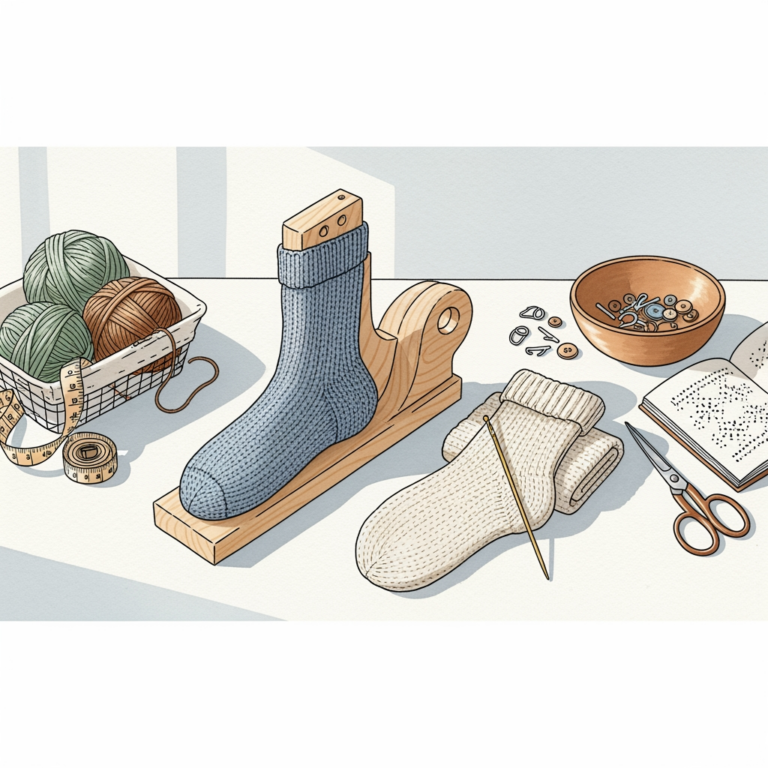
6 Best Foldable Sewing Scissors For Travel Included
Discover the 6 best foldable sewing scissors for travel. Compact, sharp, and TSA-friendly, these must-have tools ensure you can craft perfectly on the go.
Nothing ruins the flow of a rhythmically meditative knitting session like a dull pair of snips that fray your yarn ends. When you are traveling, the challenge is finding a tool that is compact enough to stow in a project bag but sharp enough to cut through sticky mohair or sturdy wool without snagging. These six folding scissors offer the perfect balance of portability and performance for the dedicated maker on the move. Finding the right pair means you can keep your ends tidy and your gauge consistent, no matter where your craft takes you.
Fiskars Folding Scissors: Best Overall Choice


Fiskars is a household name for a reason, and their folding scissors are a staple in many project bags for their consistent, reliable cut. The blades are made from high-grade, stainless steel that holds an edge through months of heavy use on everything from delicate lace-weight silk to rustic, high-twist wool.

The folding mechanism is robust, snapping into place with a satisfying click that ensures the blades won’t collapse while you are mid-snip. For those who knit on the go, the compact size is a massive benefit, fitting easily into a notions pouch alongside your tapestry needles and stitch markers.
While they are slightly bulkier than some ultra-slim alternatives, the trade-off is a much more comfortable handle. If you have larger hands or find that tiny finger loops cause cramping during a long day of travel knitting, these are the most ergonomic option available.
Westcott Foldable Scissors: Top Budget Pick

If you are the type of knitter who tends to lose their notions in the depths of a carry-on bag, the Westcott foldable scissors are your best friend. They are incredibly affordable, meaning you won’t be heartbroken if they happen to vanish during a layover.
Despite the low price point, they perform surprisingly well on standard acrylics and wool blends. The blades are sharp enough to handle clean cuts on most yarn weights, though they might struggle slightly with highly textured novelty yarns or thick, roving-style fibers.
The plastic housing is lightweight, making them almost unnoticeable in a minimalist travel kit. Just keep in mind that the hinge may loosen slightly over time, so check the tension before you head out on a long trip.
Singer Folding Scissors: Best for Precision

When you are working on intricate colorwork or complex cables, you need a tool that offers surgical precision. The Singer folding scissors feature a pointed tip that is ideal for snipping yarn tails close to the work without damaging the surrounding stitches.
These are particularly useful when you need to perform "yarn surgery" or weave in ends on a finished garment. Because the tips are so fine, they glide easily into tight spots where bulkier scissors might snag the delicate loops of your project.
Be aware that because these tips are quite sharp, they require a bit of extra care when packing. Always ensure they are fully retracted and tucked into a protective sleeve to prevent them from poking through your knitting bag or snagging your hand-dyed yarn.
Dritz Folding Scissors: Best Travel Design
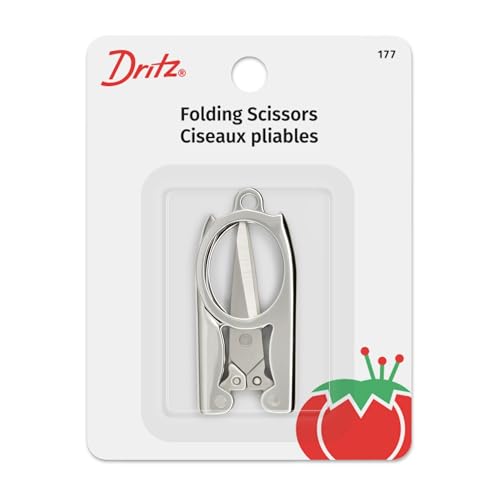
Dritz has mastered the art of the travel-ready tool, and their folding scissors are designed specifically for the person who needs to save every inch of space. They are exceptionally slim, making them the perfect companion for a small, handheld project bag.
The design is sleek and minimalist, lacking the bulky plastic grips found on other models. This makes them easy to slide into the narrow pockets of a travel organizer or even a dedicated needle case.
While the smaller finger loops might take a moment to get used to, the portability factor is unmatched. They are the quintessential "emergency" tool—keep them stashed in your bag, and you will never be caught without a way to finish a bind-off.
Gingher Folding Scissors: Best Premium Build
For the knitter who appreciates the feel of a fine tool, Gingher is the gold standard. These scissors are crafted with the same attention to detail as their professional-grade shears, offering a buttery-smooth cutting action that is rare in a folding design.
The blades are precision-ground and offer a clean, crisp cut that won’t fray your yarn ends. If you work with luxury fibers like cashmere, silk, or alpaca, these are the scissors that will treat your yarn with the respect it deserves.
They are an investment piece, certainly, but they are built to last a lifetime. If you take care of the hinge and keep them clean, you will likely never need to buy another pair of travel scissors again.
Clover Folding Scissors: Best Ergonomic Grip
Clover is known for their thoughtful design, and their folding scissors are no exception. The handles are contoured in a way that feels natural in the hand, which is a lifesaver if you are finishing a large project and have a dozen ends to weave in at once.
The balance of the tool is excellent, providing a stable feel that gives you more control over your snips. Whether you are cutting a thick, chunky yarn or a thin, plied fingering weight, the scissors feel steady and secure.
This is the best choice for knitters who suffer from hand fatigue or have limited dexterity. The extra surface area on the handle makes them much easier to manipulate than the thin, wire-loop styles often found in cheap sewing kits.
TSA Guidelines for Traveling With Scissors
Traveling with knitting tools can be stressful, but the rules are clearer than most people think. According to the TSA, scissors with blades shorter than four inches from the pivot point are generally allowed in your carry-on luggage.
However, always remember that the final decision rests with the individual security officer at the checkpoint. If your scissors look particularly "aggressive" or if the security line is under strict scrutiny, they might be confiscated regardless of the rules.
To be safe, I always recommend keeping your scissors in a clear, accessible pocket of your bag. If you are traveling internationally, be aware that some countries have stricter policies than the U.S., so it is always wise to check local regulations before you fly.
How to Maintain Your Scissors for Longevity
Even the best scissors will lose their edge if they are neglected. Avoid using your sewing scissors to cut paper, plastic, or tape, as these materials can dull the blades much faster than soft, pliable yarn.
Periodically, wipe the blades down with a soft cloth to remove any accumulated lint or lanolin from your wool. If the hinge starts to feel stiff, a tiny drop of sewing machine oil can work wonders to restore a smooth, effortless motion.
Always store them in their folded position when not in use to protect the blades from accidental nicks. By treating your scissors as a precision instrument rather than a junk-drawer tool, you ensure they stay sharp for years of knitting.
Essential Features for Travel Sewing Tools
When selecting a tool for your travel kit, look for a balance of weight, safety, and functionality. A good travel scissor should be lightweight enough to go unnoticed but substantial enough to provide a clean, one-snip cut.
- Blade Length: Under 4 inches for TSA compliance.
- Safety Mechanism: A locking hinge that won’t pop open in your bag.
- Material: Stainless steel for rust resistance and edge retention.
- Ergonomics: Finger loops that don’t pinch or cramp your hand.
Don’t prioritize size over utility to the point where the tool becomes frustrating to use. If you have to struggle to cut your yarn, you are more likely to damage your project or get annoyed with the process.
Choosing the Right Blade for Fiber Crafts
Not all scissors are created equal when it comes to the specific needs of fiber arts. For most knitting, you want a blade that is sharp enough to slice through a multi-ply yarn without leaving behind a fuzzy, frayed end that is difficult to thread through a tapestry needle.
If you work primarily with delicate, slippery fibers like silk or bamboo, a serrated blade can be a lifesaver, as it grips the yarn and prevents it from sliding away before the cut is made. For standard wools, a smooth, polished blade is usually sufficient and easier to clean.
Ultimately, your choice should reflect the type of yarn you use most often. If you are a sock knitter who uses high-twist, superwash wool, a fine-pointed blade is essential for precision. If you prefer chunky, rustic yarns, a slightly larger, sturdier blade will serve you better.
Investing in a quality pair of folding scissors is one of those small upgrades that makes a world of difference in your knitting life. By choosing a tool that fits your specific needs—whether that is portability, precision, or ergonomic comfort—you ensure that your travel knitting remains a joy rather than a chore. Keep your blades clean, protect your tips, and you will always be ready to cast off, weave in, and finish your projects with ease. Happy knitting, and may your stitches always be even and your ends always perfectly trimmed.