6 Best Wool Wash Detergents for Blocking for Knitters
Blocking is vital for knitwear. Discover the 6 best wool wash detergents to clean, soften, and shape your projects perfectly while protecting delicate fibers.
Blocking is the final, transformative step that turns a collection of loops into a professional-grade garment. Using the right detergent ensures your hard-won stitches remain soft, vibrant, and structurally sound for years to come. Choosing a specialized wash isn’t just about cleanliness; it is about protecting the delicate scales of natural fibers like wool, alpaca, and mohair. Here are the top six detergents to help you achieve that perfect, polished finish on your next project.
Eucalan Delicate Wash: Best for No-Rinse Care


Eucalan has been a staple in my knitting bag for two decades, primarily because it simplifies the blocking process immensely. When you are blocking a massive lace shawl, the last thing you want to do is wrestle with rinsing suds out of delicate, wet fibers.
The formula is pH neutral and contains lanolin, which acts as a natural conditioner for wool. It helps replenish the oils stripped away during the spinning and dyeing process, keeping the yarn supple and soft against the skin.
Because it is a no-rinse formula, you simply soak the garment and press out the excess water. This minimizes the amount of agitation your project undergoes, which is essential for preventing accidental felting or stretching.
Soak Wash: Best Scent-Free Option for Blocking
Soak is the go-to choice for knitters who are sensitive to fragrance or who prefer their finished projects to smell like nothing at all. It is incredibly efficient, requiring very little product to get the job done, which makes the bottle last through dozens of projects.
The lack of scent is a massive advantage when gifting garments to those with allergies or sensitivities. It provides a clean, neutral slate that lets the natural scent of the fiber—or the lack thereof—take center stage.
Like Eucalan, it is a no-rinse detergent, making it ideal for those who are nervous about handling wet, heavy sweaters. The formula is gentle enough that I often use it for my own hand-knit socks, ensuring they stay soft even after repeated wear and wash cycles.
Kookaburra Wool Wash: Best for Gentle Cleaning
Kookaburra is a unique, tea tree oil-based wash that excels at refreshing well-loved garments. If you have a sweater that has been sitting in a storage bin for a season, this is the product you want to pull out.
The tea tree oil provides a natural, mild antimicrobial benefit, which is excellent for neutralizing odors without relying on harsh synthetic fragrances. It feels incredibly gentle on the hands, which is a nice bonus when you are scrubbing a stubborn spot on a pair of mittens.
It is particularly effective at lifting dirt and oils while maintaining the loft of the wool. If you are working with high-end, lofty yarns like Icelandic wool or lofty Merino, this wash helps preserve that airy, voluminous texture.
The Laundress Wool & Cashmere: Best Premium Pick
If you are working with luxury fibers like cashmere, angora, or high-twist merino, The Laundress offers a more sophisticated, boutique experience. It is designed specifically to handle the delicate protein structures of animal fibers with high-end care.
This detergent is slightly more concentrated and feels more like a high-end shampoo for your knitwear. It is excellent for "heirloom" projects—those pieces that took you six months to knit and will likely be passed down to the next generation.
The tradeoff here is cost and availability, as it is generally more expensive than standard wool washes. However, for a special-occasion sweater or a complex colorwork yoke, the investment in the cleaning agent is well worth the peace of mind.
Unicorn Fibre Wash: Best for Heavy-Duty Cleaning
Unicorn Fibre Wash is a powerhouse for knitters who source their own raw fleece or work with "dirty" indie-dyed yarns that still have a bit of spinning oil left in them. It is highly concentrated and cuts through residue far better than standard delicate washes.
I often recommend this for projects that have been sitting in a "naughty" pile for a while or items that have picked up significant dust. It is a deep-cleaner that doesn’t sacrifice the integrity of the fiber, though you must be careful to follow the dilution ratios closely.
Because it is so potent, a little goes a very long way. It is the best choice for those who are serious about the longevity of their stash and want to ensure their projects start their life cycle completely clean.
Eucalan Lavender: Best for Natural Moth Defense
This is essentially the classic Eucalan formula infused with essential lavender oil. For knitters living in older homes or areas where moths are a constant threat, this is a proactive, non-toxic way to protect your hand-knits.
Lavender is a natural moth repellent, and while it won’t stop a full-blown infestation, it provides a layer of defense for items being put away for the summer. The scent is calming and classic, turning the chore of blocking into a bit of a spa experience.
The scent is noticeable but not overpowering once the garment is dry. It is a practical, functional choice for anyone who stores their hand-knits in cedar chests or closets where synthetic mothballs are not an option.
Why Specialized Wool Wash Beats Regular Detergent
Standard laundry detergents are formulated with enzymes designed to break down protein-based stains, such as food or grass. Since wool and cashmere are themselves protein fibers, these enzymes can actually start to digest your yarn over time, leading to thinning and brittleness.
Specialized wool washes are pH balanced to keep the scales of the wool fiber lying flat. When those scales stay flat, the garment remains soft, resists pilling, and maintains its structural integrity through years of wear.
- Avoid standard detergents: They often contain brighteners that can alter the color of hand-dyed yarns.
- Check the labels: Look for "lanolin-enriched" to keep fibers elastic and bouncy.
- Think long-term: A $15 bottle of wool wash will protect hundreds of dollars worth of yarn.
How to Properly Soak Your Knits Before Blocking
The goal of soaking is to allow the fibers to relax completely so you can manipulate the stitches into their final, intended shape. Fill a basin with cool to lukewarm water and add your detergent before placing the garment in; never pour soap directly onto your knitting.
Gently submerge the piece and push it down until it is thoroughly saturated. Let it sit for at least 15 to 20 minutes, allowing the water to penetrate the core of the yarn.
Never wring or twist the garment, as this will distort the stitches and potentially stretch the fiber permanently. Instead, use a salad spinner or roll the garment in a thick towel to press out the excess moisture.

Understanding Rinsing vs. No-Rinse Wash Methods
Rinsing is the traditional method, ensuring that every trace of soap is removed from the fiber. This is essential if you are using a detergent that isn’t specifically designed to be left in the yarn, as soap residue can attract dirt or feel tacky.
No-rinse formulas, like Eucalan or Soak, are designed to be left in the fibers to condition them. The minute amount of detergent remaining actually helps the wool repel dust and stay soft.
If you are ever in doubt, a quick, gentle rinse in cool water won’t hurt, but it is usually unnecessary with specialized wool washes. Trust the instructions on the bottle, as they are formulated for the specific chemistry of the product.
Essential Tips for Safely Blocking Wool Garments
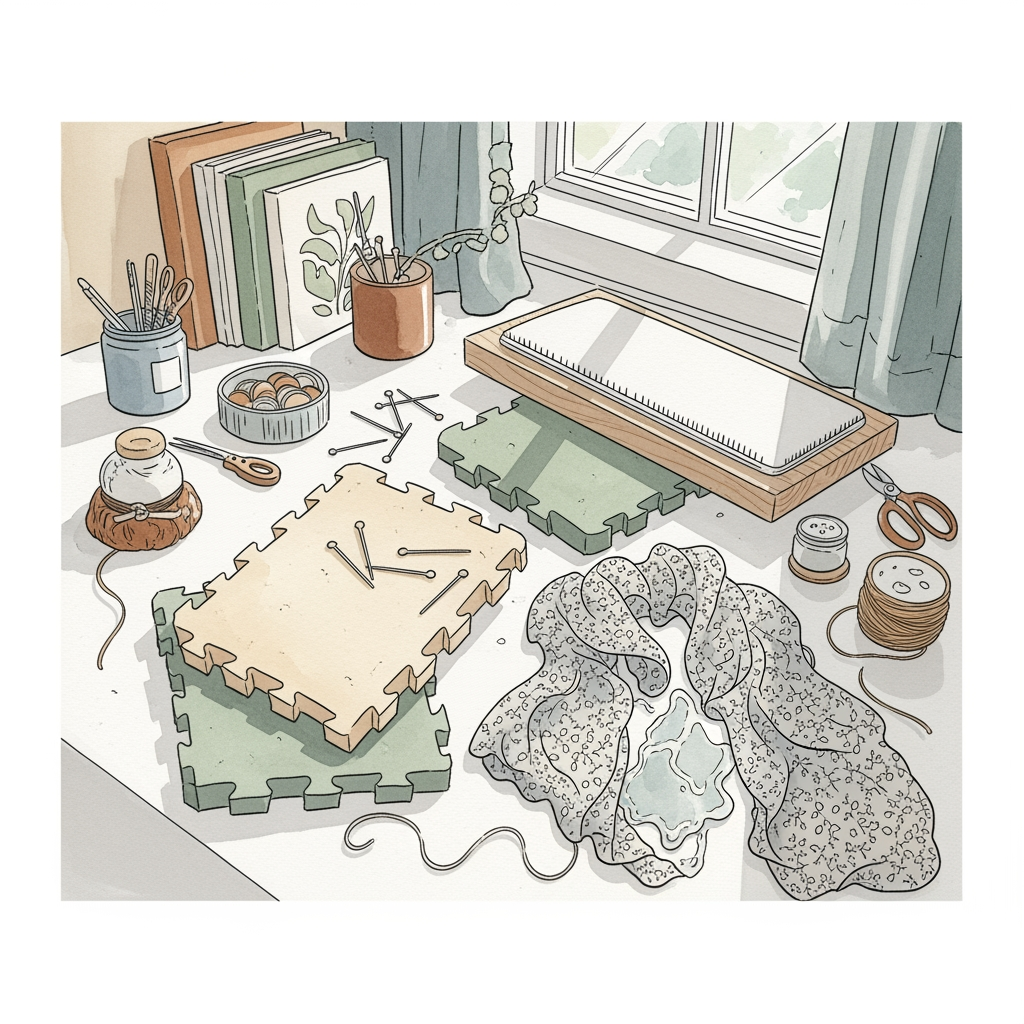
Always block on a flat, breathable surface, such as interlocking foam mats or a dedicated blocking board. Ensure your space is out of direct sunlight, as UV rays can fade delicate hand-dyed colors and make fibers brittle.
If you are blocking a sweater, measure your gauge before and after to ensure you haven’t over-stretched the fabric. Use rust-proof pins, especially if you are working with light-colored yarns, to avoid permanent staining.
- Patience is key: Let the garment dry completely for at least 24 hours.
- Support the weight: For heavy sweaters, support the body while drying to prevent the shoulders from drooping.
- Listen to the fiber: If the yarn feels "gummy" or overly heavy, you may have used too much soap; try a light rinse next time.
Investing in a quality wool wash is one of the simplest ways to elevate your knitting from a hobby to a craft. By choosing a product that respects the biology of your fiber, you ensure your garments remain as beautiful as the day you cast off. Treat your stitches with care, and they will reward you with a lifetime of warmth and comfort. Happy knitting, and may your blocking always be perfectly even.