7 Best Heat-Resistant Gloves For Hot Water Felting
Find the best heat-resistant gloves for hot water felting. Our guide evaluates top picks for thermal protection, grip, and comfort to enhance your craft.
Wet felting is a transformative process that turns loose wool fibers into a dense, sturdy fabric through the agitation of hot water and soap. However, the high temperatures required to shock the wool scales into locking together can be incredibly harsh on your skin. Investing in the right pair of heat-resistant gloves protects your hands from irritation while allowing you to maintain the tactile sensitivity needed to shape your fiber creations. Choosing the right pair is as essential as selecting the correct needle size for a delicate lace shawl.
Rapicca Heat Resistant BBQ Gloves: Best Overall
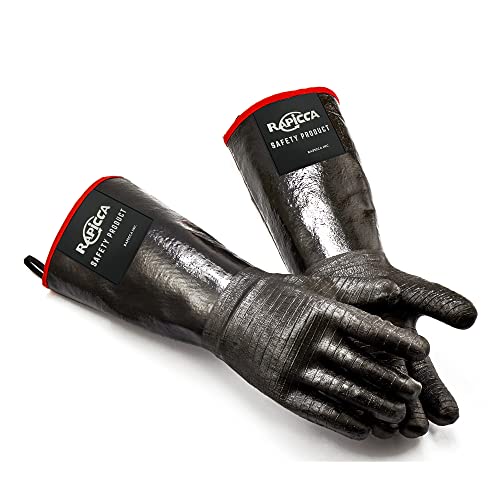

These gloves are a favorite because they balance extreme heat protection with a surprising amount of dexterity. When you are working on a large-scale project like a felted bag or a heavy vessel, you need to keep your hands submerged in near-boiling water for extended periods.
The silicone coating provides a non-slip grip that is vital when you are aggressively rubbing wool against a bamboo mat or bubble wrap. Unlike fabric gloves that soak through, this material keeps your hands bone-dry, preventing the "prune" effect that happens during long felting sessions.
The tradeoff here is bulk; you won’t be doing fine detail work with these on. However, for the initial hardening phase of felting, they are an indispensable tool. Treat them like your favorite sturdy wooden needles—they aren’t for every delicate task, but they are essential for the heavy lifting.
Showa Atlas 370 Nitrile Coated: Best Precision

If you are working on small, sculptural felted items where you need to feel the density of the wool, the Showa Atlas 370 is your best friend. These gloves are thin enough that you don’t lose the "knitter’s touch" required to judge the felting progress.
The nitrile coating is exceptionally grippy, which helps when you are trying to manipulate wet, slippery wool fibers without them sliding out of your grasp. This precision is comparable to using high-quality carbon fiber needles when working with slippery silk-blend yarns.
Keep in mind that because they are thinner, they offer less insulation against extreme heat. They are perfect for warm water work, but if you are using water hot enough to steam, you may need to layer a thin cotton liner underneath.
OZERO Genuine Leather Work Gloves: Best Durability

Leather gloves bring a level of rugged reliability that synthetic materials often struggle to match. If you find yourself felting daily or running a workshop where tools take a beating, the natural resilience of leather is a smart investment.
Leather handles the friction of the felting process remarkably well, resisting the wear and tear that can shred cheaper rubber-coated gloves. They offer a natural barrier that feels comfortable against the skin, similar to the feel of a well-worn wooden knitting needle in your palm.
The downside is that leather is porous and will eventually absorb water, making them heavy and potentially stiff once they dry. Ensure you let them air dry completely away from direct heat sources to prevent the material from cracking or hardening.
Ansell Scorpio Neoprene Gloves: Best Protection

When you are working with large quantities of wool that require sustained agitation in very hot water, the Ansell Scorpio is the industry standard. These are designed for chemical handling, which makes them impervious to the soapy, alkaline water used in felting.
The neoprene material is incredibly effective at insulating your hands, allowing you to work at higher temperatures than you could with standard household gloves. This extra heat helps the wool felt faster, which is a major advantage when working with stubborn fibers like Corriedale or Lincoln.
These are definitely the "chunky needles" of the glove world—functional, robust, and built for speed. They are not designed for intricate shaping, but they will keep you comfortable through the most intense parts of the felting process.
G & F Products Cotton Lined Gloves: Best Comfort
Comfort is often overlooked in the studio, but if your hands are prone to sensitivity, the G & F Products gloves are a game-changer. The cotton liner wicks away moisture and provides a soft barrier between your skin and the outer protective coating.
This is particularly helpful if you have a history of contact dermatitis or if the soap you use for felting tends to dry out your skin. It’s the same principle as choosing a soft merino wool over a scratchy high-micron wool for a sweater worn close to the skin.
Because of the liner, these gloves are thicker and provide a decent amount of heat insulation. Just be aware that they take longer to dry; always turn them inside out after use to ensure the liner doesn’t develop a musty smell.
Magid Professional Grade Rubber: Best Coverage

Sometimes you need a glove that goes further up your forearm to prevent hot, soapy water from splashing into your sleeves. The Magid Professional Grade rubber gloves offer an extended cuff that provides excellent coverage.
This is vital when you are doing "fulling" or large-scale rolling, where the motion often causes water to travel up your arms. It keeps your clothes dry and prevents that annoying sensation of cold water dripping down your wrists during a hot felting session.
These gloves are simple, effective, and prioritize function over form. Think of them as your reliable workhorse tools—not flashy, but they get the job done without fail.
Wells Lamont Heavy Duty Nitrile: Best Value

For the knitter who wants to keep their budget focused on high-quality wool roving, the Wells Lamont nitrile gloves offer excellent performance without a premium price tag. They are a great entry-level choice for beginners who aren’t yet sure how often they will be felting.
They provide a solid grip and a decent shield against heat and soap. While they may not have the extreme longevity of a professional-grade neoprene glove, they are more than adequate for most home-based felting projects.
If you are a beginner, start here to understand how the temperature of your water affects your wool. Once you understand your own felting rhythm, you can always upgrade to a more specialized pair later.
Why Heat Resistance Matters for Wet Felting
Heat is the catalyst that forces wool fibers to expand and then lock together. Without sufficiently hot water, the felting process takes significantly longer and often results in a weak, uneven fabric.
However, heat also strips the natural oils from your skin and can cause burns if you aren’t careful. Using heat-resistant gloves allows you to use the hottest water possible, which results in a denser, more professional-looking felt.
It is a balance of physics and safety. Much like managing your tension while knitting, you are managing the environment to ensure the best possible outcome for your fiber.
How to Select the Right Glove Size for Felting
A glove that is too tight will restrict your movement and make your hands cramp, much like knitting with a needle that is too small for your yarn weight. You need enough room to flex your fingers freely while you work the wool.
Conversely, a glove that is too loose will make it difficult to control the wool fibers, leading to sloppy work. Aim for a fit that is snug enough to provide tactile feedback but loose enough to allow for a full range of motion.
Always check the manufacturer’s sizing chart, as glove sizing can be as inconsistent as yarn weight labels. If you are between sizes, err on the side of slightly larger to allow for a thin cotton liner.
Essential Safety Tips for Hot Water Felting
- Always test the water temperature with a thermometer before starting; water above 140°F (60°C) is unnecessary for most wool and poses a burn risk.
- Check for pinholes in your gloves before every session, as a small leak can trap hot, soapy water against your skin and cause a burn.
- Keep a towel nearby to wipe your gloves dry occasionally, which improves your grip and prevents slipping.
- Rotate your gloves if you are working on a massive project; letting them dry completely prevents the buildup of bacteria and keeps the material in top shape.
Wet felting is an incredibly rewarding craft that lets you manipulate wool into sculptural forms, but it is a labor-intensive process that demands respect for both the fiber and your hands. By choosing the right heat-resistant gloves, you ensure that your hands stay protected and comfortable, allowing you to focus entirely on the transformation of your wool. Just as you wouldn’t use a dull needle for a fine lace project, don’t settle for subpar protection during your felting sessions. Choose the gear that fits your project needs and keep your hands ready for the next creative challenge.