6 Best Embroidery Needles for Adding Felted Details
Elevate your needlework with these six top-rated embroidery needles, specifically selected for seamlessly integrating felted details into your textile art.
Adding felted details to your hand-knits is a transformative way to elevate a simple sweater or add sculptural interest to a plain hat. However, the success of your needle-felting or surface embroidery depends entirely on the tool you choose to push those fibers through your base fabric. Using the wrong needle can cause snagging, fiber breakage, or unsightly holes in your beautiful stitch work. These six options are the workhorses of the fiber arts world, chosen for their ability to handle the unique demands of felted embellishments.
Clover Gold Eye Chenille Needles: Best Overall


Clover Gold Eye needles are a staple in my notions bag because they offer a perfect balance of a sharp point and a smooth, polished finish. When you are pushing roving through the dense, tight gauge of a wool sweater, you need a needle that glides without catching on the individual plies of your yarn.
The gold-plated eye is more than just a aesthetic choice; it is designed to reduce friction as you pull your thread or roving through the fabric. This is crucial when working with delicate fibers like silk-mohair blends, where every bit of resistance can lead to unwanted pilling or fiber snapping.
These needles are my top recommendation because they are remarkably consistent. If you are a knitter who enjoys a mix of projects, these will handle everything from thick, rustic wool to finer, high-twist yarns with ease.
Bohin France Chenille Needles for Precision

If you are working on fine-gauge lace or delicate colorwork where every stitch counts, Bohin needles are the gold standard for precision. Their manufacturing process results in a needle that is exceptionally straight and incredibly strong, resisting the bending that often happens when you are working with dense, felted wool.
The point on these needles is slightly more tapered than others, which allows you to navigate between the stitches of your knitting without splitting the yarn. This is essential when you want your felted accent to sit perfectly on top of the fabric rather than disappearing into the structure of the garment.
While they come at a slightly higher price point, the quality of the steel means they won’t dull quickly. For a project like a detailed floral motif on a cardigan, the investment in a high-quality needle pays off in the longevity of your work.
Dritz Size 18-22 Chenille Needles Selection

Dritz offers a versatile range of sizes that is perfect for the knitter who isn’t quite sure what gauge they will be working with next. Having a selection of sizes 18 through 22 allows you to experiment with how much fiber you can pull through your base fabric before committing to a single needle.
I often suggest these for beginners who are just starting to explore surface embellishment. If your base knitting is a bulky, chunky-weight wool, you will want the larger size 18 to accommodate the thicker roving. Conversely, if you are working on a fingering-weight sock, the size 22 will be much gentler on the fabric.
The primary tradeoff here is that these are mass-market needles; they are perfectly adequate for most tasks, but they may not have the same level of polish as the premium Japanese or French brands. They are, however, the best way to stock your kit without breaking the bank.
Tulip Hiroshima Embroidery Needles Set

Tulip needles are a joy to use because they are manufactured with a level of care that is rare in modern notions. They have a unique, slightly rounded point that is designed to slide through fabric with minimal effort, making them excellent for long sessions of needle-felting.
The eye of the needle is exceptionally smooth, which prevents your roving or embroidery thread from fraying as you work. When you are working on a complex design, the last thing you want is for your thread to get stuck or break halfway through a long pass.
Because these needles are so smooth, they can feel a bit "slippery" if you are used to cheaper, rougher needles. Take a moment to get used to the glide; once you do, you will find that your hand fatigue is significantly reduced.
John James Chenille Needles for Durability
John James has been manufacturing needles for generations, and their reputation for durability is well-earned. If you are the type of knitter who tends to grip their needle tightly or works with particularly dense, boiled wool, you need a needle that won’t snap under pressure.
These needles have a slightly more rigid feel, which gives you excellent control when you are "sculpting" with felted fibers. You can push, pull, and manipulate the wool with confidence, knowing the needle will maintain its shape.
The downside is that they are slightly less flexible than other brands. If you prefer a needle that has a bit of "give" to it, these might feel a little too stiff, but for heavy-duty felting, they are an absolute powerhouse.
Singer Assorted Chenille Needles for Value
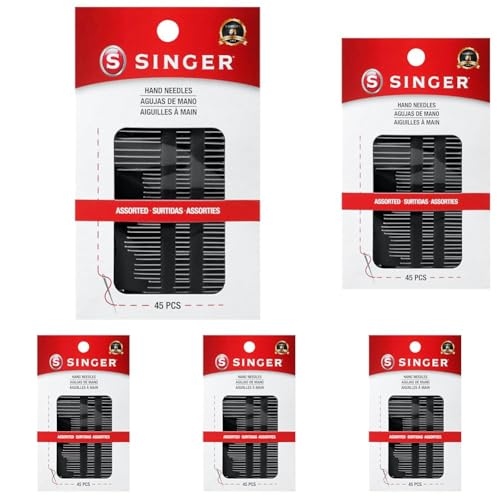
Singer needles are widely available and provide a reliable, no-frills option for the knitter on a budget. If you are worried about losing your needles or you are just practicing your felting technique, these are a perfectly fine place to start.
They are functional and get the job done, though you might find that the finish wears off the needle faster than it would on a premium brand. This is a common occurrence with lower-cost steel, but it is easily managed by keeping your needles clean and dry between uses.
Don’t be afraid to use these for your "rough drafts." They are great for testing out a design before you move on to your final, heirloom-quality piece where you might choose a more specialized tool.
Why Needle Size Matters for Felted Details
The size of your needle determines how much space it creates between the stitches of your knitting. If your needle is too large, you risk creating unsightly holes that don’t close back up, especially in delicate fibers like alpaca or cashmere.
- Size 18: Best for chunky and super-bulky yarns.
- Size 20: The "Goldilocks" size for worsted and Aran weights.
- Size 22: Ideal for fingering and sport weight yarns.
Always start with a smaller needle than you think you need. You can always size up, but you cannot "un-stretch" the holes left by a needle that was too thick for your yarn.
How to Choose the Right Point for Your Fiber
Choosing between a sharp point and a rounded point is a matter of how much you want to penetrate the yarn fibers themselves. A sharp point is necessary for dense, felted fabrics where you need to pierce the structure to anchor your roving.
However, if you are working on a looser knit, a slightly blunter point is often better. It will push the yarn plies aside rather than piercing them, which keeps the integrity of your original knitting intact.
Consider the twist of your yarn as well. High-twist yarns are more prone to splitting, so a blunter needle is almost always the safer choice to avoid creating a fuzzy mess.
Essential Tips for Securing Felted Accents
The secret to a long-lasting felted detail is ensuring that the fibers are properly locked into the base fabric. When you finish your needle-felting, pull the thread through to the back of the work and tie a small, secure knot.
Don’t rely on the felting alone to hold the piece in place, especially on garments that will be washed frequently. A few tiny, hidden stitches on the back side of the fabric will provide the structural support needed to keep your design looking crisp for years.
If you are working with superwash wool, remember that it doesn’t felt as easily as non-superwash. You may need to use a bit of extra thread or a more aggressive felting technique to ensure the fibers stay put.
Caring for Your Embroidery Needles Over Time
Needles are tools, and like any tool, they require maintenance to perform their best. After a long project, wipe your needles down with a soft, dry cloth to remove any oils from your hands or residue from the wool fibers.
If you notice a needle becoming dull or the finish starting to flake, it is time to retire it. A dull needle will fight against your knitting, causing you to work harder and increasing the risk of damaging your fabric.
Store your needles in a needle book or a container with a bit of rice or wool to prevent oxidation. Keep them away from moisture, especially if you live in a humid climate, to ensure they remain smooth and ready for your next creative endeavor.
Selecting the right needle is an essential step in ensuring your felted details look intentional and professional. Whether you choose the precision of a Bohin or the reliability of a Clover, the best needle is the one that feels like an extension of your own hand. Take your time to experiment with different sizes and points on a swatch before diving into your main project. With the right tools and a little patience, you will be able to add beautiful, lasting texture to all of your favorite hand-knits.