7 Best Storage Totes For Large Blankets To Buy
Keep your bulky blankets organized and dust-free. We evaluate the 7 best storage totes, focusing on durability, breathability, and ease of access for users.
After spending hundreds of hours crafting a heirloom-quality wool blanket, the last thing you want is for it to lose its shape or fall victim to hungry moths. Proper storage is just as vital as choosing the right yarn weight or mastering your tension. These seven storage solutions offer the protection your hand-knit treasures deserve while keeping your craft room organized. Choosing the right container ensures your hard work remains pristine for years to come.
The Container Store Weathertight Tote: Best Overall
When you have invested months into a complex intarsia project, you need a container that acts as a fortress. The Weathertight Tote features a silicone seal that creates a near-impenetrable barrier against humidity and dust.
This is my top recommendation because it balances rigid protection with a clear view of the contents. You won’t have to dig through your stash to find that specific cabled throw you finished last winter.
The trade-off here is the bulk; these are not collapsible. If you have limited space, you’ll need to account for the footprint, but the peace of mind regarding fiber integrity is worth the extra square footage.
Sterilite Gasket Box: Best for Moisture Protection
Moisture is the enemy of natural fibers like wool and alpaca, as it creates the perfect breeding ground for mold and mildew. The Sterilite Gasket Box provides a secondary line of defense with its heavy-duty latches and rubberized seal.
If you live in a humid climate, this is a non-negotiable investment for your hand-knits. I’ve seen too many beautiful sweaters ruined by damp basements, and this box effectively mitigates that risk.
Be aware that these containers are airtight. If you are storing a freshly laundered blanket, ensure it is 100% bone-dry before sealing, or you will trap moisture inside and cause damage.
Whitmor Clear View Storage Bag: Best for Visibility
Sometimes, the best storage is the one that lets you see your progress at a glance. The Whitmor Clear View bag is excellent for organizing multiple smaller blankets or afghans by color or yarn weight.


The clear vinyl construction allows you to identify your project without unzipping anything. This is particularly helpful when you are rotating your seasonal decor and need to grab a specific weight of wool.

The downside is that vinyl does not breathe as well as fabric. I suggest using these only for short-term storage or for synthetic-blend blankets that are less susceptible to the environmental sensitivities of pure animal fibers.
IKEA Skubb Storage Case: Best Under-Bed Solution
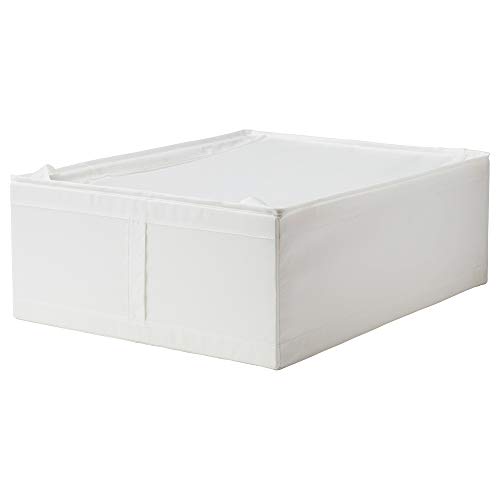
The IKEA Skubb series turns the dead space under your guest bed into a high-capacity textile vault. These cases are lightweight, breathable, and designed to slide easily across carpet or hardwood.
Because they are made from fabric rather than plastic, they allow for airflow, which is critical for long-term storage of natural fibers. Stagnant air can sometimes lead to odors, but these cases keep things fresh.
They aren’t as rigid as a plastic bin, so be careful not to overstuff them. If you pack them too tightly, you risk crushing your stitch definition or creating permanent creases in your delicate lace work.
Lifewit Large Capacity Organizer: Best for Closets
The Lifewit Organizer is my go-to for closet stacking because of its reinforced structure and generous capacity. It’s perfect for those of us who have a "blanket wall" and need to keep everything uniform and tidy.

The handles are surprisingly sturdy, which matters when you are moving a heavy, wool-laden blanket. You don’t want a strap snapping while you are mid-transit to the top shelf.
While these are excellent, they are not completely sealed against pests. If you use these in a closet, I highly recommend pairing them with cedar blocks or lavender sachets to deter moths.
Zober Heavy Duty Quilted Bag: Best for Durability
If you transport your blankets often—perhaps to craft fairs or as gifts—the Zober Quilted Bag is the gold standard. It is designed to withstand the wear and tear of travel while keeping your work cushioned.

The quilted material offers a layer of padding that protects your yarn from snagging on external surfaces. It feels like a high-end garment bag specifically tailored for your hand-knit masterpieces.
These bags are typically more expensive than basic plastic bins, but the investment is justified by the longevity of the materials. It is a professional-grade solution for a professional-grade hobby.
StorageWorks Cotton Rope Basket: Best Decor Piece
Sometimes, you want your blankets to be accessible rather than hidden away in a closet. The StorageWorks Cotton Rope Basket is perfect for the living room, allowing you to display your work while keeping it off the floor.
These baskets are aesthetically pleasing and fit seamlessly into a home-based studio or living space. They are ideal for blankets you use daily, such as a favorite lap throw for chilly knitting nights.
Keep in mind that these offer zero protection against pests or dust. Only use these for items you rotate through frequently, and avoid storing your most precious heirloom pieces in them for the long term.
How to Properly Fold Your Hand-Knit Wool Blankets
Folding a hand-knit blanket is a delicate balance between saving space and preserving the integrity of your stitches. Never fold your blankets along the same lines every time, as this can create permanent, weakened creases in the fabric.
Instead, try rolling your blankets instead of folding them. Rolling distributes the weight of the yarn evenly and minimizes the stress on your bind-off edge.
If you must fold, use acid-free tissue paper between the layers. This prevents the friction of the fibers from causing pilling or accidental snagging, especially if you’ve used a yarn with a high twist or delicate halo.
Protecting Your Fiber Arts from Moths and Pests
Moths are the nightmare of every knitter, and they are particularly attracted to clean, natural fibers. Before storing your blankets, ensure they are absolutely clean, as even invisible traces of skin oils or food can attract pests.
Avoid using chemical mothballs, as the odor is notoriously difficult to remove from wool and can be harmful to your health. Instead, rely on natural repellents like cedar wood, dried lavender, or cloves.
Check your stored blankets at least twice a year, regardless of the container. A quick shake-out and inspection can stop an infestation before it destroys your hard-earned stitch work.
Essential Tips for Long-Term Textile Preservation
- Avoid Wire Hangers: Never hang heavy hand-knit blankets; the weight will distort the fabric and stretch your stitches permanently.
- Keep it Cool: High temperatures can dry out natural fibers, making them brittle over time.
- Label Everything: Use tags to note the fiber content and washing instructions, especially if you are storing items for someone else.
- Rotation is Key: Even the most well-stored item benefits from being aired out once or twice a year.
By treating your storage containers as an extension of your knitting toolkit, you ensure that every blanket you create remains a legacy piece. Don’t rush the storage process; your future self will thank you when you pull out a perfectly preserved throw on a cold winter morning.
Investing in the right storage is the final, crucial step in the lifecycle of your fiber arts projects. Whether you choose the rugged protection of a Weathertight Tote or the breathability of a cotton basket, your goal is to keep your work safe from the elements. Treat your blankets with the same care you used to knit them, and they will last for generations. Happy knitting, and may your stash always be well-organized.