7 Best Loom Knitting Picks For Ergonomic Comfort
Discover the 7 best ergonomic looms for pain-free crafting. Learn how these designs reduce strain and improve your knitting experience for long-term comfort.
Loom knitting is a fantastic way to create intricate textiles, but long hours of repetitive motion can quickly lead to wrist fatigue and hand strain. Choosing the right loom isn’t just about the size of the project; it’s about finding a tool that fits your natural hand position and grip. In this guide, we explore the best ergonomic options to keep your crafting sessions comfortable and pain-free. Whether you are a beginner or a seasoned pro, these picks will help you maintain your passion for fiber arts for years to come.
KB Premium Round Loom Set: Best Overall Comfort


The KB Premium set stands out because of its thoughtful, contoured design that fits naturally in the palm of your hand. When you are working on a large project like a chunky blanket, the weight and balance of your loom become critical factors in preventing cramping.
These looms feature a smooth, rounded edge that minimizes pressure points against your skin. This is vital when you are pulling yarn over the pegs for hours, as it prevents the "digging" sensation that often occurs with cheaper, sharper plastic molds.
The bottom line here is versatility and ease. If you suffer from mild arthritis or just find that your hands tire easily during long sessions, the ergonomic shaping of this set is a game-changer.
CinDWood Adjustable Rectangular Loom: Top Pick
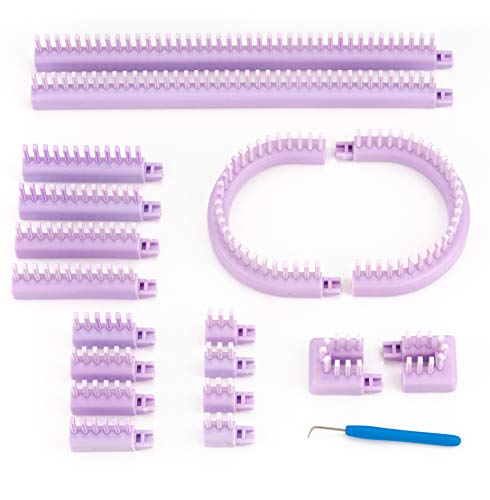
CinDWood looms are widely respected for their solid construction and the specific "hand-feel" they provide. Because they are often made from high-quality wood, they offer a sturdiness that plastic looms simply cannot replicate, which helps stabilize your wrist position.
The adjustable nature of this loom means you can customize the tension and the reach required for your project. By narrowing the loom to fit your specific task, you reduce the need to overextend your arms, keeping your elbows closer to your body and reducing shoulder strain.
These looms are an investment, but they reward you with a consistent, reliable knitting experience. For those tackling complex patterns or large-scale garments, the stability provided by this frame is well worth the cost.
Boye I Taught Myself To Loom Knit: Best Starter

Starting out in loom knitting can be intimidating, and the "I Taught Myself" kit is designed to lower the barrier to entry without sacrificing ergonomics. It provides a manageable size that is perfect for learning the fundamental motions of the knit and purl stitches.
The pegs on this loom are spaced to allow for a comfortable range of motion, which is essential for beginners who haven’t yet developed the muscle memory to work efficiently. By starting with a loom that doesn’t force your hands into awkward angles, you build good habits from day one.
While it may not be the most advanced tool in your arsenal, it is the best place to begin your journey. It prevents the common mistake of buying a massive, cumbersome loom that makes your first project feel like a workout rather than a craft.
Authentic Knitting Board Rotating Double Loom

The rotating feature on this double loom is a brilliant solution for those who find that constantly reaching around a circular loom causes repetitive stress. By spinning the board toward you, you bring the work to your hands rather than forcing your hands to navigate the work.
This is particularly helpful for double-knitting techniques, which can be dense and heavy. The ability to rotate the board allows you to maintain a neutral wrist position throughout the entire row, significantly reducing the strain on your carpal tunnel.
If you enjoy creating thick, double-layered winter accessories, this loom is a necessity. It turns a potentially strenuous process into a smooth, fluid experience that keeps you focused on the pattern rather than the pain.
Darice Round Knitting Loom Set: Best Value Option

If you are looking for a reliable, no-frills set that won’t break the bank, the Darice looms are a solid choice. They are lightweight, which is a major advantage for knitters who struggle with heavy tools that pull on the wrists.
The plastic used here is lightweight and smooth, ensuring that your yarn glides easily over the pegs without snagging. While they lack the premium contouring of more expensive models, their simplicity makes them easy to hold and maneuver during short, casual knitting bursts.
These are excellent for keeping in a project bag for travel. They offer a good balance of utility and affordability, making them a staple for any knitter’s collection.
Loops & Threads Round Loom: Best Budget Choice
Loops & Threads looms are readily available and provide a very accessible entry point for hobbyists. They are lightweight enough that they won’t add unnecessary weight to your hands, which is a common complaint with heavier, older-style looms.
The pegs are well-defined, making it easy to see where your yarn needs to go. This visual clarity is surprisingly important for ergonomics; when you aren’t squinting or struggling to seat your yarn, you are less likely to tense up your neck and shoulders.
For someone just testing the waters of loom knitting, these are a perfect, low-risk purchase. They provide a comfortable enough experience to help you decide if you want to invest in higher-end, specialized equipment later on.
Knifty Knitter Original Loom: The Classic Pick

The Knifty Knitter looms are legendary in the community for a reason; they are built with a sturdy, reliable frame that has stood the test of time. Their classic design is familiar and intuitive, which helps keep your knitting rhythm consistent.
The peg height on these looms is ideal for keeping your stitches secure without requiring excessive force to pull the yarn over. This balance is key to preventing hand fatigue, as you are not fighting against the tool to complete your stitches.
While they may be harder to find now, they remain a favorite for many experienced loom knitters. If you can find a set, grab it; the ergonomic simplicity of the original design is still hard to beat.
Ergonomic Factors for Pain-Free Loom Knitting
- Wrist Positioning: Always aim to keep your wrists in a neutral, straight line. Avoid bending them upward or downward for long periods.
- Grip Strength: Use the lightest possible grip on your loom. If you find your knuckles turning white, take a break and stretch your fingers.
- Elbow Placement: Keep your elbows tucked near your ribs. Reaching out too far creates tension in your upper back and shoulders.
- Frequent Breaks: Follow the "20-20-20" rule: every 20 minutes, look away from your loom for 20 seconds and rotate your wrists.
Selecting the Best Loom Material for Your Hands
Choosing between wood and plastic is a matter of both weight and friction. Wood looms offer a premium feel and are often heavier, which can be a benefit for stability on a table, but a drawback for those who prefer to hold the loom in their lap.
Plastic looms are generally lighter and more portable, making them ideal for knitters who suffer from fatigue. However, look for high-quality, molded plastic that lacks sharp seams, as these can irritate your skin during long sessions.
Ultimately, consider your own physical needs. If you have wrist issues, prioritize the lightest weight tool available. If you have grip strength challenges, a slightly heavier, sturdier loom might actually be easier to hold steady.
Maintenance Tips for Your Loom Knitting Tools
Even the best loom needs a little care to remain comfortable to use. Over time, plastic pegs can develop small burrs from your hook, which will snag your yarn and force you to pull harder, leading to more hand strain.
Keep your looms clean by wiping them down with a soft, damp cloth after each project. This removes skin oils and yarn residue that can make the pegs feel tacky or "sticky," which forces you to use more force than necessary.
If you use a wooden loom, keep it away from extreme humidity, which can cause the wood to warp or the pegs to loosen. A well-maintained tool is an ergonomic tool; when your equipment works smoothly, your hands do significantly less work.
Finding the right loom is an essential step toward ensuring your knitting remains a source of joy rather than physical discomfort. By prioritizing ergonomic features like weight, grip, and ease of motion, you can protect your hands and continue creating for years to come. Remember that the best tool is the one that allows you to knit for longer with the least amount of effort. Happy knitting, and may your stitches always be smooth and your hands always feel rested.