

7 Best Mesh Storage Bags For Yarn Scraps To Organize
Tame your yarn stash with these 7 top-rated mesh bags. Discover breathable, durable storage solutions designed to keep your scraps organized and tangle-free.
Every knitter eventually faces the "scrap pile dilemma," where leftover yarn bits threaten to take over the craft room. While plastic bins are popular, they often trap moisture and prevent your precious fibers from breathing. Mesh storage bags offer the perfect middle ground, providing visibility while ensuring your stash remains well-ventilated and accessible. These seven storage solutions will help you transform that chaotic yarn tangle into an organized, inspiring resource for your next scrappy project.
Baggu Standard Ripstop Nylon: Best Overall Pick


The Baggu Standard is a staple in many project bags because it is incredibly lightweight yet surprisingly durable. While technically nylon, the weave offers enough breathability to keep your natural fibers from feeling "stifled" during long-term storage.
I find these bags ideal for "in-progress" scraps—those bits of yarn you know you’ll need for a colorwork heel or a striped sleeve in the next month. Because they are machine washable, you don’t have to worry if they pick up a bit of dust or lint from your floor.
The main trade-off here is the opacity; you won’t see your colors as clearly as you would in a fine mesh. However, for a knitter who values portability and strength, this is the gold standard for keeping your scraps contained and ready to travel.
Ziploc Mesh Laundry Bags: Best Budget Option

Don’t let the "laundry" label fool you; these bags are a secret weapon for organizing yarn scraps by weight. They are inexpensive, easy to find, and feature a fine mesh that prevents even the smallest, thinnest fingering-weight ends from poking through.
If you are a sock knitter, you likely have dozens of tiny balls of wool-nylon blends that are too small for a full project but perfect for scrap blankets. These bags allow you to group those bits by color family without spending a fortune on specialized storage containers.
The zipper is the only potential weak point, as yarn ends can occasionally snag in the track. Just be sure to tuck your yarn ends firmly inside before closing to keep your stash frustration-free.
CleverMade Collapsible Mesh: Best for Bulk Stash

If your scrap pile has grown into a small mountain, you need a storage solution that can scale up. The CleverMade bags are structured enough to stand on their own, which is a massive help when you are trying to sort through a large volume of yarn.
I recommend these for dedicated stash corners where you keep your "heavy" scraps, like worsted or bulky wools. Because they are collapsible, you can tuck them away if you have a rare moment where your stash is actually under control.
The mesh is wide and sturdy, allowing for maximum airflow, which is critical for preventing the musty smell that can develop in deep yarn piles. If you have a large collection, visibility is key; these bags let you see exactly what you have at a glance.
TravelWise Mesh Organizers: Best for Color Codes

TravelWise organizers are fantastic because they come in sets of varying sizes, allowing you to categorize by specific criteria. You might use the smallest bag for mohair lace scraps and the largest for heavy-duty wool leftovers.
For the color-conscious knitter, these are indispensable. You can dedicate one bag to "cool tones" and another to "warm tones," making it much easier to pull a palette for a scrappy shawl or a planned colorwork motif.
The zippers are usually quite smooth, which is vital when you are constantly reaching in to grab a specific shade. Just remember that because they are designed for clothing, the mesh is relatively fine—perfect for keeping your yarn clean and protected.
IKEA PÄRKLA Mesh Bags: Best for Large Scrap Piles

IKEA’s storage solutions are rarely just for closets, and the PÄRKLA bags are no exception for the serious fiber artist. They are tall and wide, perfect for storing large quantities of yarn that you don’t need to access every single day.
These are excellent for long-term storage of natural fibers like alpaca or merino. The large surface area ensures that your yarn isn’t packed too tightly, which helps maintain the loft and "crimp" of the fiber over time.
Because they are so large, they can become heavy, so I suggest placing them on a shelf rather than hanging them. They are the perfect "out-of-sight, but still organized" solution for a deep stash.
Whitmor Zippered Mesh Bags: Best for Small Bits
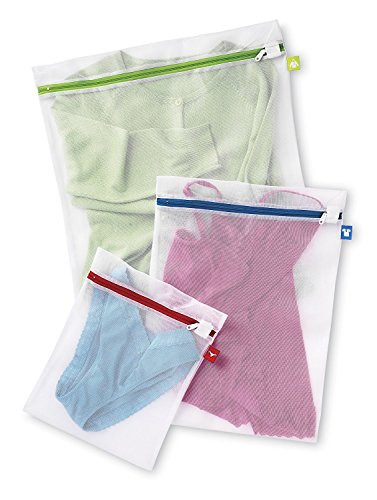
Small, specialized mesh bags are essential for those tiny bits of luxury fiber—think silk blends or hand-dyed cashmere—that you can’t bear to throw away. The Whitmor bags are compact and keep these precious scraps from getting buried under larger skeins.
I use these for my "embroidery" or "mending" scraps, where I only need a few yards for a specific detail. Having them contained in a small, clear bag means I don’t lose them in the bottom of my project tote.
These bags are also great for keeping different dye lots separated. If you have a few scraps from a specific hand-dyed batch, keep them in a dedicated small bag so you don’t accidentally mix them with a similar but distinct colorway later.
AmazonBasics Mesh Cubes: Best for Long-Term Storage
The cube shape of these organizers is a game-changer for shelf efficiency. If you store your scraps in a dedicated knitting cabinet, these cubes stack beautifully, allowing you to maximize vertical space.
I prefer these for long-term storage of yarn that has already been wound into cakes or balls. The structure of the cube prevents the yarn from rolling around and becoming a tangled mess, which is a common issue with soft-sided bags.
While they aren’t as portable as a nylon bag, they provide excellent protection against dust and debris. If you are storing your scraps in an attic or basement, these cubes provide a nice buffer while still allowing the yarn to breathe.
Why Mesh is Ideal for Storing Delicate Yarn Scraps
Mesh is the superior choice for yarn storage because it allows for constant airflow. Natural fibers, especially animal proteins like wool and alpaca, need to "breathe" to prevent the buildup of moisture that can lead to mildew or odors.
Plastic bins, while airtight, can create a greenhouse effect if the yarn isn’t 100% bone-dry when stored. Mesh ensures that even if the humidity in your home fluctuates, your yarn remains in a stable environment.
Furthermore, mesh allows you to see your inventory without opening a lid, which reduces the amount of time you spend digging through your stash. The less you handle your scraps, the less likely they are to become tangled or felted from friction.
How to Sort Your Scraps by Fiber Content and Weight
The most effective way to sort is to group by weight (gauge) first, then by fiber content. It is incredibly frustrating to find the perfect color for a project only to realize the yarn is a fingering-weight silk when your project requires a worsted-weight wool.
- Weight: Group by WPI (Wraps Per Inch) or standard yarn weights (lace, fingering, sport, DK, worsted, bulky).
- Fiber Content: Keep animal fibers (wool, mohair, alpaca) separate from plant fibers (cotton, linen, bamboo) and synthetics.
- Usage: Create a "ready-to-use" bag for scraps that are long enough for colorwork or small accessories.
Always label your bags with a scrap of paper or a tag if you aren’t 100% sure of the fiber content. You don’t want to accidentally mix a superwash wool (which can be machine washed) with a non-superwash wool (which will felt if washed incorrectly).
Essential Tips for Keeping Yarn Free of Moth Damage
Moths are the bane of every knitter’s existence, and they are particularly attracted to dark, undisturbed corners where scraps are stored. The best defense is regular inspection and proper cleaning.
- Freeze your scraps: If you suspect a moth infestation, seal your yarn in a plastic bag and place it in the freezer for 48 hours to kill any eggs.
- Use natural repellents: Cedar blocks or lavender sachets tucked into your mesh bags can deter pests without the harsh chemical smell of mothballs.
- Keep it clean: Moths are attracted to the oils and skin cells that transfer from our hands to the yarn, so always wash your hands before handling your stash.
The mesh bags themselves won’t stop a moth, but they make it much easier to perform a quick "inventory check" every few months. If you see tiny holes or webbing, you can immediately isolate the affected bag before the problem spreads to the rest of your stash.
Organizing your yarn scraps doesn’t have to be a chore; think of it as curating your own personal library of textures and colors. By choosing the right mesh bags, you ensure your fibers stay healthy and ready for the moment inspiration strikes. Take the time to sort by weight and fiber, and your future self will thank you when you’re halfway through a complex colorwork project. Happy knitting, and may your scrap stash always be a source of joy rather than clutter.


