
7 Best Storage Chests For Long Term Protection
Preserve your valuables with our top 7 storage chest picks. Discover durable, moisture-resistant options designed for secure, long-term protection of items.
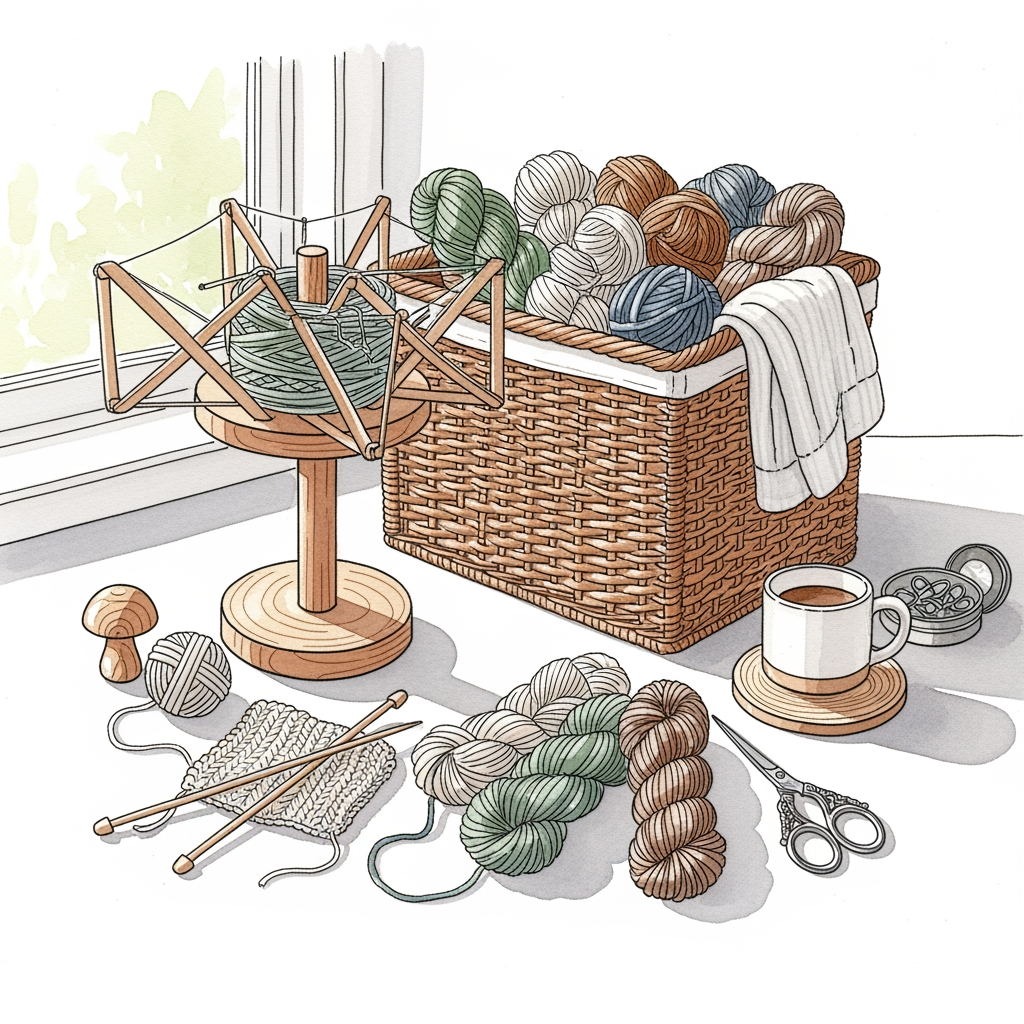
Every knitter eventually faces the "stashing" dilemma: how to keep your precious hand-dyed wools and alpaca blends safe from the ravages of time. A great storage chest is the difference between pulling out a pristine skein for your next sweater and finding it riddled with moth holes. Protecting your investment requires more than just a cardboard box; it demands a barrier against the elements. These seven storage solutions are the gold standard for keeping your fiber stash ready for the needles.


The Container Store Weathertight Tote: Best Overall
When you have a collection of expensive cashmere or hand-spun singles, you cannot afford to leave them vulnerable to humidity or dust. The Weathertight Tote features a silicone seal that creates a near-hermetic barrier, which is essential for long-term fiber preservation.
The locking buckles are robust enough to withstand frequent opening and closing as you rotate your projects. Because the plastic is clear, you can identify your color palette without exposing the contents to unnecessary light or air.
The only downside is that the seal is so effective that it can trap moisture if you pack your yarn while it is still slightly damp from blocking. Always ensure your yarn is bone-dry before sealing it away, or you risk inviting mildew into your stash.
Sterilite Gasket Box: Best For Moisture Control
Moisture is the silent killer of wool, often leading to that dreaded musty smell that is nearly impossible to wash out. The Sterilite Gasket Box uses a silicone gasket to create an airtight seal, making it the superior choice for knitters living in humid climates.
If you are storing delicate fibers like mohair or angora, the airtight seal provides a necessary layer of defense against environmental fluctuations. It keeps the fibers at a consistent state, preventing the expansion and contraction that can weaken the yarn over years of storage.
Be aware that these boxes are slightly more rigid than standard bins, which can make them prone to cracking if overstuffed. Treat them with care, and they will keep your stash protected for decades.
IRIS USA Modular Storage Chest: Best For Stacking

If your stash has grown to occupy a dedicated corner of your craft room, you need a system that maximizes vertical space. The IRIS modular chest is designed specifically for stacking, allowing you to build a tower of yarn without the risk of it toppling over.
The drawers are a game-changer for organization because you don’t have to unstack four bins just to reach the bottom one. You can group your yarn by weight—fingering, sport, worsted, and chunky—so you aren’t digging through a pile when you finally find the perfect pattern.
While these aren’t as airtight as a gasket box, they are perfect for yarns you use regularly. They keep dust and pet hair away while ensuring your favorite skeins are always within arm’s reach.
Whitmor Rolling Storage Trunk: Best For Portability

Sometimes you need to move your stash to make room for guests or a new furniture layout. The Whitmor Rolling Storage Trunk features wheels that make moving heavy loads of wool surprisingly effortless.
This is an excellent option for knitters who like to keep their "current project" stash separate from their "future inspiration" stash. You can roll it into a closet when not in use and pull it out during your next long-term knitting session.
The trade-off here is that the lid is not airtight, so it shouldn’t be your primary choice for storing high-value fibers for years on end. Use it for your workhorse acrylics or cottons that are less prone to pest damage.
Rubbermaid Roughneck Storage Bin: Best For Durability

If you are storing your stash in a garage, basement, or attic, you need a bin that can handle temperature swings and rough handling. The Rubbermaid Roughneck is legendary for its ability to withstand extreme conditions without cracking.
These bins are virtually indestructible, which is important if you store your yarn in areas where it might get bumped or dropped. They offer a level of physical security that thinner plastic bins simply cannot match.
Because they are opaque, you will need to label them clearly to know what is inside. I recommend using a permanent marker on a piece of masking tape so you can easily update the label as your stash evolves.
Seville Classics Cedar Chest: Best For Moth Defense

Natural cedar is an age-old remedy for keeping pests away from wool, and the Seville Classics chest brings this tradition into a modern, functional format. The aromatic oils in the wood act as a natural repellent against moths and carpet beetles.
Unlike plastic bins, cedar allows for a small amount of airflow, which is beneficial for natural fibers like wool and alpaca. It prevents the "suffocation" effect that can sometimes occur with synthetic storage, keeping your fibers feeling fresh and natural.
Remember that the cedar scent will fade over time; you will need to lightly sand the interior every few years to refresh the protection. It is a bit of maintenance, but it is well worth it to avoid the heartache of finding holes in your hand-knits.
Honey-Can-Do Under-Bed Chest: Best For Small Spaces

For those of us living in apartments or homes with limited closet space, the space under the bed is prime real estate. This under-bed chest slides easily beneath most bed frames, turning dead space into a hidden yarn vault.
The clear top allows you to see exactly what you have without pulling the entire bin out into the middle of the room. It is perfect for storing finished sweaters or large quantities of yarn that you aren’t currently using.
Since it sits low to the ground, make sure you vacuum the area regularly to prevent dust buildup on the fabric exterior. It’s a discreet solution that keeps your stash hidden but accessible.
Essential Tips For Protecting Yarn From Pests
- Clean before storage: Never put away a garment or yarn that has been worn or handled extensively, as skin oils and food particles attract pests.
- Use cedar or lavender: If you aren’t using a cedar chest, place cedar blocks or sachets of dried lavender in your bins to deter moths.
- Freeze it: If you suspect a new skein might have hitchhikers, seal it in a plastic bag and place it in the freezer for 48 hours to kill any eggs.
- Rotate your stash: Periodically check your bins to ensure everything is still clean and free of damage.
Why Proper Airflow Prevents Mold And Mildew
While we want to keep pests out, completely sealing yarn in a plastic bag can sometimes lead to trapped moisture. If your yarn is stored in an environment with fluctuating temperatures, condensation can form inside the plastic.
Natural fibers like wool are hygroscopic, meaning they absorb moisture from the air. If that moisture is trapped in a non-breathable container, mold is the inevitable result.
The key is to store your yarn in a cool, dry, and dark place. If you must use airtight bins, ensure the yarn is completely dry and consider adding a small silica gel packet to absorb any residual humidity.
How To Organize Your Stash For Easy Access
Organizing by weight is the most practical method for any knitter, as it helps you match yarn to patterns quickly. I suggest using clear bins so you can see your color palette at a glance, which helps when planning colorwork projects.
Labeling is often overlooked, but it saves hours of frustration later on. Note the fiber content, yardage, and dye lot on a small tag tied to each skein or on the outside of the bin.
Finally, keep your "active" project yarn separate from your long-term stash. This prevents you from digging through your entire collection every time you need to grab your current socks or hat project.
Storing your yarn properly is an act of respect for the time and effort you put into your craft. By choosing the right container and following these storage protocols, you ensure your stash stays in perfect condition for years to come. Whether you opt for the robust durability of a Rubbermaid bin or the natural protection of cedar, your future self will thank you. Now, take a deep breath, sort those skeins, and get back to the needles.



