6 Best Storage Cabinets For Large Yarn Collections
Organizing a large yarn collection can be a challenge. We review the six best storage cabinets to keep your stash dust-free, visible, and perfectly sorted.
Every knitter eventually reaches the point where their yarn stash outgrows a simple basket or a spare drawer. Managing a large collection requires more than just space; it demands a system that protects your fibers from light, dust, and pests. Choosing the right storage cabinet is the difference between a curated library of potential projects and a tangled, moth-prone disaster. Here are the best solutions to help you organize, protect, and enjoy your fiber collection for years to come.
IKEA Billy Bookcase: The Classic Yarn Display


The Billy is a staple in many craft rooms because its shallow depth prevents you from burying precious skeins in the back. When you can see every colorway at a glance, you are far more likely to actually use the yarn you’ve purchased.
By adding glass doors, you transform this basic shelf into a protective display case. This is essential for keeping dust off your natural fibers, which can act as an abrasive if it settles deep into the twist of your yarn.
The trade-off here is light exposure; if your craft room gets direct sun, your yarn will fade over time. Always consider placing this unit against an interior wall away from windows to preserve the integrity of your dyed colors.
Sauder Home Plus Storage Cabinet: Best Capacity

If you have a massive collection of sweater-quantity bags, you need a cabinet with deep, adjustable shelving. The Sauder Home Plus offers a substantial footprint that can house even the bulkiest hand-spun or worsted-weight wools.
The enclosed doors are a major advantage for long-term storage, as they block out light and provide a physical barrier against moths. Because this unit is deep, I recommend using clear bins inside to pull items out easily without creating a "yarn avalanche."

Keep in mind that this unit is heavy once filled, so ensure your flooring can handle the weight. It is the perfect choice for the knitter who buys in bulk and needs a dedicated, hidden space for their inventory.
ClosetMaid Cube Storage: Best for Organization
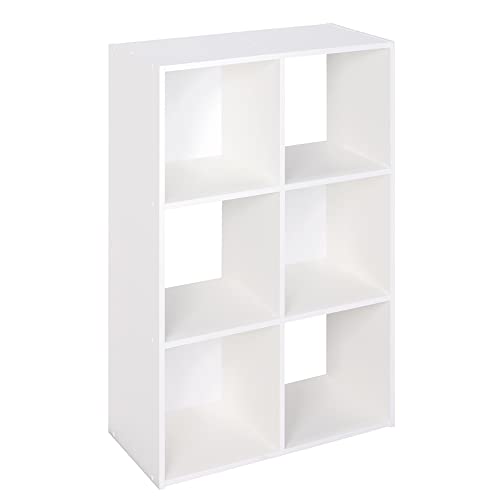
Cube storage is the gold standard for separating your stash by fiber content or project type. I love using these to group my sock yarns in one cube and my lace-weight mohair in another, keeping them from tangling together.
These units are incredibly modular, allowing you to stack them or spread them out depending on your room layout. You can also buy fabric drawers for these cubes to hide the visual clutter of mismatched labels and odd-shaped balls.
The downside is that the open-front design offers no protection against dust or pests. If you choose this route, invest in lidded fabric bins to ensure your delicate wools stay clean and secure.
Winsome Wood Halifax Cabinet: Best for Sorting
The Halifax cabinet stands out because it features multiple drawers, which are a dream for organizing smaller items like notions or specific skein weights. If you want to sort your stash by color or by weight—from lace to super bulky—these drawers make it effortless.
Because the drawers are enclosed, they provide a very dark, safe environment for your fibers. This is particularly helpful if you have a collection of high-end, luxury fibers like cashmere or silk that are sensitive to environmental changes.
However, be careful not to overstuff these drawers, as tightly packed yarn can lose its loft and bounce. Always leave a little room for the fibers to "breathe" within their designated drawer.
Prepac Elite Storage Cabinet: Best for Security

The Prepac Elite is built with a sturdy, utilitarian design that feels more like a professional storage solution than a piece of home furniture. Its heavy-duty construction is excellent for keeping your stash organized and protected behind solid, secure doors.
This cabinet is ideal for knitters who share their space with pets or small children, as the doors keep curious hands and paws away from your delicate needles and yarn. The shelves are highly adjustable, making it easy to accommodate different sizes of yarn cakes and hanks.
While it lacks the aesthetic charm of an open display, it wins on pure functionality and protection. It is a serious investment for a serious knitter who wants their stash to remain in pristine condition for decades.
Seville Classics Rolling Cart: Best for Mobility

Sometimes your knitting space is also your living room, and you need a storage solution that can move with you. A rolling cart is perfect for keeping your "current rotation" of projects and yarn close at hand without committing to a permanent piece of furniture.
The wire baskets allow for excellent airflow, which is a significant benefit for natural fibers. However, because it is open, this is not a long-term storage solution; it is strictly for active projects or yarn you plan to use this month.
Use this for your immediate "to-do" pile, and keep the rest of your stash in a more secure, enclosed cabinet. It is the best way to keep your current project organized while you work on your gauge swatches or complex colorwork charts.
Essential Factors for Large Yarn Collection Storage
When choosing your storage, you must prioritize the environment over the aesthetics. You need a space that is cool, dry, and dark to prevent the degradation of protein fibers like wool, alpaca, and silk.
Avoid storing yarn in attics, basements, or garages where temperature fluctuations can lead to moisture buildup. Humidity is the enemy of yarn, as it encourages mold growth and makes fibers prone to felting or weakening over time.
- Accessibility: Can you reach your favorite yarn without moving three other bags?
- Visibility: Do you know what you have, or are you buying duplicates?
- Protection: Is there a barrier against light, dust, and insects?
Why Proper Airflow Prevents Fiber Pest Damage
A common misconception is that airtight bags are the best way to keep pests away. While they do keep moths out, they can also trap moisture, which leads to a musty smell and potential mildew damage.
Natural fibers need to breathe, but they must be protected from the larvae of clothes moths and carpet beetles. The best approach is to store your yarn in cabinets that allow for slight air circulation while keeping the area dark and clean.
If you are worried about pests, cedar blocks or sachets of dried lavender are excellent natural deterrents. Just ensure they are placed near your yarn without touching the fibers directly, as the oils can sometimes transfer.
Organizing Your Stash by Weight and Fiber Type
The most logical way to organize a large collection is by weight, as this dictates your project potential. I recommend keeping your lace, fingering, sport, DK, worsted, and bulky yarns in separate sections or containers.
Once you have sorted by weight, sub-categorize by fiber type to make it easier to choose the right yarn for a specific pattern. For example, you might want your non-superwash wools separate from your superwash or plant-based fibers.
- Superwash Wool: Durable and machine-friendly, perfect for socks or baby items.
- Non-Superwash Wool: Ideal for colorwork and sweaters that need to hold their shape.
- Plant Fibers (Cotton/Linen): Store these slightly differently as they don’t felt but can be prone to stretching.
Maintenance Tips to Keep Your Yarn Stash Pristine
Once or twice a year, take the time to audit your stash and give it a "refresh." Take the skeins out, shake them gently to remove any dust, and check the labels to ensure you still have the dye lot information.
If you find a ball that has lost its label, measure the WPI (wraps per inch) to determine its weight and keep a small notebook of "mystery yarns." This prevents you from starting a project only to realize you don’t have enough yardage.
Finally, keep your storage area clean by vacuuming around the base of your cabinets regularly. Dust bunnies are essentially magnets for pests; keeping the floor clean is the first line of defense for your fiber collection.
Building a library of yarn is one of the great joys of a long-term knitting practice. By choosing a storage solution that balances protection, organization, and accessibility, you ensure that your materials remain as beautiful as the day you bought them. Take your time to set up a system that works for your specific space and habits. Your future self, ready to cast on that next big project, will thank you for the effort.