6 Best Rotary Cutters For Backing Fabric To Try
Choosing the right rotary cutter is vital for backing fabric. Discover our top six picks that ensure clean, precise cuts for your next quilting project.
When you spend weeks meticulously knitting a heirloom-quality quilt or a complex textile project, the backing fabric deserves as much care as your stitches. A dull blade or an awkward tool can snag delicate fibers and ruin hours of labor in a single stroke. Choosing the right rotary cutter is just as vital as selecting the perfect circular needle for a seamless join. These six tools represent the best options for ensuring your backing fabric is cut with the same precision you bring to your yarn work.
Olfa 45mm Rotary Cutter: The Gold Standard Pick
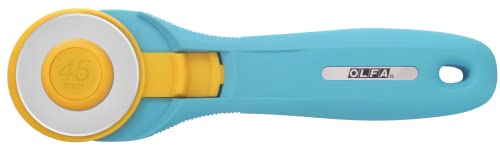

If you walk into any professional sewing studio, you are almost guaranteed to see an Olfa 45mm sitting on the cutting table. It has earned its reputation through sheer reliability, much like a classic set of stainless steel needles that never fail you.
The design is simple, featuring a quick-change blade mechanism and a safety lock that feels intuitive. For backing large quilts or heavy-duty canvas, this cutter provides the consistent pressure needed to glide through multiple layers without skipping.
Some users find the handle a bit utilitarian compared to newer ergonomic models. However, its longevity is unmatched; it’s a workhorse tool that will likely stay in your kit for a decade. If you want a tool that "just works," this is the one.
Fiskars Comfort Loop Rotary Cutter: Best Ergonomic

When you are cutting yards of backing fabric for a king-sized quilt, your hand fatigue can mimic the strain of long-distance knitting. The Fiskars Comfort Loop is designed to mitigate this tension by allowing your fingers to rest naturally within the handle.
The loop-handle design is particularly helpful for knitters who suffer from occasional wrist soreness or tendonitis. It encourages a more relaxed grip, which prevents the "death grip" that often leads to crooked cuts and frayed edges.
Be aware that the unique shape requires a slight learning curve if you are used to a straight-handle cutter. Once you adjust, the fluid motion makes long, straight cuts feel effortless and smooth.
Clover Rotary Cutter 45mm: Best for Precision

Precision is the hallmark of the Clover brand, and their rotary cutter is no exception. It features a unique blade cover that retracts automatically when you press down, which is a fantastic safety feature for those of us who tend to be a bit absent-minded while multitasking.
The balance of this tool is exceptional, making it feel like an extension of your hand. It is ideal for cutting backing fabric where you need to navigate around corners or trim edges with extreme accuracy.
While the automatic mechanism is a dream, it does require a bit more cleaning to keep lint out of the retraction spring. Keep a small brush handy to clear away fabric dust, and it will remain a precision instrument for years.
TrueCut Rotary Cutter: Best for Straight Lines

If your biggest struggle is keeping your fabric edges perfectly square, the TrueCut system is a game-changer. It is designed to be used in tandem with the TrueCut ruler track, which locks the cutter into a guide.

This system effectively removes the "wobble" that happens when you are halfway through a long cut. For backing fabric, which is often slippery or prone to shifting, this tracking system provides the stability of a stationary cutting machine.
It is a bit of an investment compared to a basic cutter, but it pays for itself in saved fabric. You won’t have to worry about "oops" moments that force you to recut your entire backing piece.
Gingher 45mm Rotary Cutter: Best Premium Choice
Gingher is a name synonymous with quality, often compared to the finest forged scissors in the fiber arts world. This rotary cutter feels substantial and luxurious in the hand, with a weight that aids in cutting through heavy-weight cottons or wool backings.
The construction is incredibly solid, with very little vibration during use. This stability allows for a clean, crisp edge that won’t unravel prematurely, which is critical when you are prepping fabric for long-term use.
This is a "buy it once" tool. If you appreciate the tactile feel of high-end tools—much like the difference between plastic needles and polished rosewood—you will find the Gingher experience superior.
Martelli Ergonomic Rotary Cutter: Best for Hands

The Martelli cutter looks quite different from anything else on the market, featuring a handle that allows you to cut with your wrist in a neutral position. This design is specifically engineered for those with arthritis or chronic hand pain.
By utilizing the larger muscles of your arm rather than the small muscles of your hand, you can cut through thick backing fabrics for hours without the typical cramping. It’s the ergonomic equivalent of switching to an ergonomic crochet hook or a larger-diameter needle.
It may look bulky at first glance, but the mechanics are brilliant. If you find that your hands ache after a session of cutting, this is the most effective way to keep your hobby pain-free.
Understanding Rotary Cutter Blade Sizes and Uses
- 28mm: Best for small, intricate curves and tight corners.
- 45mm: The industry standard; perfect for almost all backing fabric needs and straight cuts.
- 60mm: Designed for heavy-duty work, such as cutting through multiple layers of denim or thick batting.
Choosing the right size is all about the resistance you expect to encounter. For standard quilting cottons, a 45mm blade is the sweet spot between maneuverability and cutting power.
Don’t be tempted to use a 60mm blade for delicate, tight curves, as it lacks the agility required. Conversely, don’t strain a 28mm blade on heavy backing, or you will dull the edge in seconds.
Essential Safety Tips for Using Rotary Cutters
Always engage the safety lock immediately after finishing your cut, even if you are just reaching for a cup of tea. It is far too easy to bump a cutter and accidentally slice your fabric—or your finger.
Always cut away from your body, and ensure your fingers are well behind the path of the blade. Think of it like knitting with sharp metal needles; you learn to keep your fingers clear of the points, and the same awareness applies here.
If you are a beginner, practice on scrap fabric first. Getting a feel for the pressure required is vital, as pushing too hard can cause the cutter to skip or veer off the ruler.
How to Maintain Your Cutter for Clean Fabric Cuts
A dull blade is actually more dangerous than a sharp one because it requires more force, which increases the likelihood of slipping. Change your blade the moment you notice it "dragging" or skipping over threads.
Keep the internal housing free of fabric lint and dust by wiping it down regularly. A small bit of debris can prevent the blade from spinning freely, causing uneven cuts that will ruin the look of your finished project.
Store your cutter in a dry place to prevent the blade from rusting. If you live in a humid climate, consider keeping a small packet of silica gel in your tool storage box.
Choosing the Best Cutting Mat for Your Projects
A self-healing mat is non-negotiable for rotary cutting. It protects your table surface and, more importantly, keeps your blade sharp by providing a surface that "closes" after each cut.
Ensure your mat is large enough to accommodate the full width of your backing fabric. If you have to shift the fabric repeatedly, you increase the risk of misaligned cuts and uneven edges.
Rotate your cutting position on the mat periodically to avoid wearing out one specific area. Think of it like rotating your tires; spreading the wear keeps the surface flat and reliable for years to come.
Investing in the right rotary cutter is an essential step in elevating your fiber arts practice. Whether you prioritize ergonomic support for your hands or the precision of a tracking system, the right tool will make your prep work feel like a joy rather than a chore. Take the time to choose based on your specific physical needs and the types of projects you tackle most often. Your fabric—and your finished quilts—will thank you for the extra attention to detail.