6 Best Machine Oilers For Precision Care To Use
Maintain your equipment with our top 6 machine oilers. We review the best precision tools to ensure smooth operation, longevity, and optimal performance today.
Your knitting machine is a precision instrument, and like any fine tool, it requires regular lubrication to perform at its peak. Without proper care, the delicate needles and carriages will eventually seize up, leading to dropped stitches or damaged yarn. Choosing the right oil is the difference between a smooth, rhythmic knitting session and a frustrating day of troubleshooting. This guide breaks down the best options to keep your machine running as smoothly as the day you unboxed it.
Singer All Purpose Machine Oil: Best Overall Choice
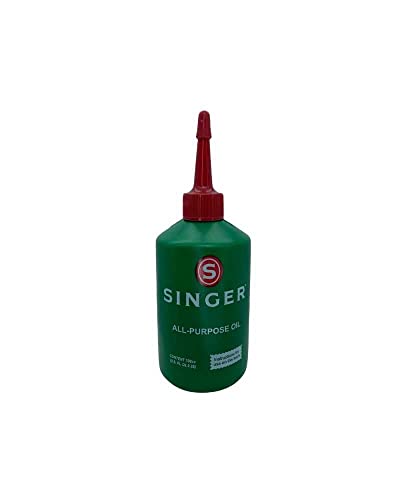

If you walk into any sewing or knitting studio, you’ll likely find a bottle of Singer All Purpose oil sitting on the workbench. It is the gold standard for a reason: it is a lightweight, mineral-based oil that doesn’t gum up over time.
For the average knitter, this is the most reliable option for general maintenance of the carriage and needle bed. It provides just enough lubrication to keep the metal parts sliding without creating a magnet for dust and lint.
However, keep in mind that this is a basic oil. If you are pushing your machine to its limits with heavy-duty projects, you may find yourself needing to reapply it more frequently than you would with a synthetic alternative.
Zoom-Spout Turbine Oil for Deep Reach Precision

There is nothing more frustrating than trying to reach the internal cams of a knitting machine carriage with a standard dropper bottle. The Zoom-Spout oil features a flexible telescoping spout that allows you to target those hard-to-reach friction points with surgical accuracy.
This oil is formulated for high-speed machinery, making it excellent for the rapid back-and-forth motion of a knitting carriage. It stays where you put it and doesn’t migrate onto your yarn bed, which is a major concern when working with delicate fibers like silk or mohair.
The trade-off here is the bottle size, which is often larger than what a hobbyist needs. If you aren’t maintaining multiple machines, you’ll likely have enough oil to last for a decade.
Liberty Oil Synthetic Lubricant for Smooth Gears

Synthetic lubricants have changed the game for machine maintenance because they don’t break down or oxidize as quickly as traditional mineral oils. Liberty Oil is exceptionally clear and thin, which is vital for the intricate gear systems found in modern electronic knitting machines.
Because it is a synthetic, it has a higher resistance to the heat generated during long, marathon knitting sessions. If you are producing a large batch of stockinette panels, this oil will keep the metal from heating up and causing the carriage to drag.
Be aware that synthetic oils are generally more expensive than mineral-based ones. Only invest in this if you are a frequent user who demands the absolute highest level of performance from your equipment.
Hoppe’s No. 9 Lubricating Oil for Fine Parts

Many knitters are surprised to see a gun oil on this list, but Hoppe’s No. 9 is a legend in the world of precision mechanics. It is designed to penetrate tight tolerances, making it perfect for the needle grooves where lint and fiber dust tend to pack down.
It acts as both a cleaner and a lubricant, helping to lift out the microscopic debris that can cause a carriage to "clunk" or stick. It is especially useful if you have purchased a vintage machine that has been sitting in storage for years.
Do not use this as your primary lubricant for the entire machine, though. It is best used as a spot-treatment for stubborn, tight areas rather than a general oil for the entire needle bed.
Super Lube Synthetic Oil with PTFE for Longevity

Super Lube is a unique beast because it contains PTFE—often known as Teflon—which creates a dry, slippery barrier on metal surfaces. This is an incredible benefit for knitters who work with "sticky" yarns like wool-alpaca blends that can create a lot of friction as they pass through the machine.
The PTFE additive ensures that even if the oil film thins out, the surfaces remain slick enough to prevent stalling. It is an excellent choice for the main rail of your machine where the carriage travels the most.
The downside is that PTFE can be difficult to clean off if you accidentally get it on your yarn. You must be extremely disciplined with your application to ensure it stays strictly on the metal components.
Tri-Flow Superior Lubricant for Heavy Duty Use
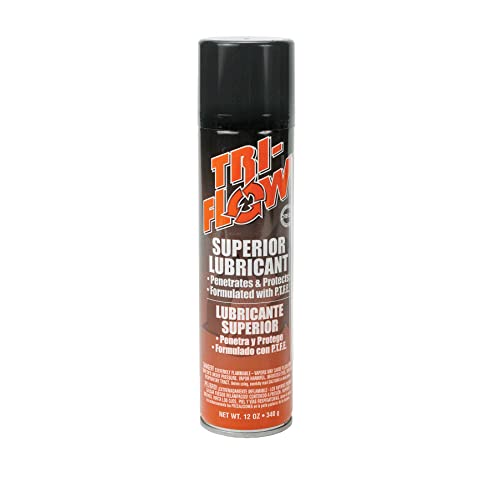
Tri-Flow is a high-performance lubricant that includes additives to displace moisture and prevent rust. If you live in a humid climate where your machine is susceptible to oxidation, this is your best line of defense.
It is a heavier oil, so it excels in the high-stress areas like the connection points of the carriage handle or the main drive gears. It stays in place longer than thinner oils, meaning you can go longer between maintenance sessions.
Because it is heavier, it can attract more lint than lighter oils. If you use this, you must be diligent about wiping down your needle bed with a soft cloth after every project to prevent a buildup of "gunk."
Essential Factors for Choosing Your Machine Oil
When selecting an oil, the most important factor is the viscosity, or the thickness of the oil. A machine that is running slowly and smoothly needs a light, thin oil that can penetrate tight gaps.
- Purity: Always look for "non-gumming" formulas.
- Application: Does the bottle allow you to apply a single drop, or does it pour out?
- Environment: If your knitting room is dusty, avoid heavy, tacky oils that act like flypaper for fibers.
Avoid household oils like WD-40 or vegetable-based oils at all costs. These will eventually turn into a sticky, hardened resin that will effectively glue your needles in place, turning your machine into a very expensive paperweight.
Understanding Viscosity in Knitting Machine Care
Think of viscosity in terms of your yarn weight; you wouldn’t use a bulky, unspun roving for fine lace, and you shouldn’t use a heavy gear oil for a fine-gauge knitting machine. A low-viscosity oil flows easily and reaches the bottom of the needle slot.
If you use an oil that is too thick, your carriage will feel sluggish and heavy to push. This puts extra strain on your shoulders and wrists, which is the last thing you want during a long day of knitting.
Conversely, if the oil is too thin, it will run off the metal and end up on your yarn. Always aim for a "machine oil" specifically labeled for sewing or precision instruments, as these are balanced for this exact purpose.
How to Apply Oil Without Damaging Your Yarn
The biggest mistake beginners make is over-oiling. You only need a tiny drop—the size of a pinhead—at each friction point. More oil does not mean better performance; it only means more mess.
Always apply the oil to the metal parts before you thread your machine for a new project. Let it sit for a few minutes to penetrate, then wipe away any excess with a clean, lint-free cloth.
If you are worried about oil staining your yarn, perform a test run with a scrap piece of acrylic or cotton first. If the yarn comes out clean, you are ready to start your actual project.
Maintenance Tips for Long Term Machine Health
Maintenance is a cycle: clean, oil, knit, repeat. Every time you finish a project, use a soft brush to remove the dust and lint that has accumulated in the needle beds.
- Wipe down: Use a microfiber cloth to remove old oil before adding new.
- Check needles: Look for bent or rusted needles while you are oiling.
- Listen: Your machine will tell you when it needs oil; a change in the sound of the carriage is your cue.
Treat your knitting machine with the same respect you give your needles and your yarn. If you keep the metal clean and lubricated, it will reward you with decades of beautiful, consistent fabric.
Maintaining your knitting machine is a meditative part of the craft, not just a chore. By selecting the right oil for your specific machine and environmental conditions, you ensure that every stitch is formed with ease and precision. Take the time to care for your tools, and they will continue to produce your favorite garments for years to come. Happy knitting, and may your carriage always glide effortlessly across the bed.