6 Best Alum Powders for Protein Fiber Preparation
Discover the top 6 alum powders for protein fiber preparation. Learn how these mordants enhance colorfastness and vibrancy in your natural dyeing projects.
Achieving vibrant, colorfast results on your hand-dyed protein fibers like wool, alpaca, or silk begins long before the dye pot hits the stove. Mordanting with alum is the essential chemical bridge that allows natural pigments to bond permanently with fiber proteins. Without this crucial step, your hard-earned color will simply wash away in the first rinse. Choosing the right alum powder ensures your projects remain as beautiful years later as they were the day you cast them off.
Earth Guild Aluminum Potassium Sulfate: Best Overall
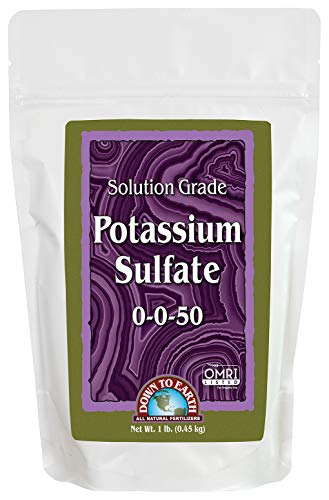

This is the standard-bearer for many independent dyers who prioritize consistency above all else. When you are prepping a large sweater quantity of hand-spun yarn, you cannot afford uneven color uptake caused by inferior mordants.
The purity of Earth Guild’s product ensures that the chemical reaction between the fiber and the dye is predictable. It is an excellent choice for those who have moved past simple kitchen-dye experiments and are now focusing on achieving specific, repeatable colorways.
Because it is highly refined, you will find it dissolves cleanly in water without leaving gritty residue on your delicate fibers. If you are working with fine lace-weight wools, this lack of particulate matter is vital to prevent uneven patches.
Dharma Trading Co. Alum Mordant: Best for Beginners

If you are just starting your natural dyeing journey, Dharma Trading Co. offers a user-friendly entry point. Their packaging is straightforward, and the instructions provided are clear enough to prevent the common "dye-pot panic" that hits most beginners.
The reliability of this product means you can focus on learning how your chosen fibers absorb color rather than worrying about chemical variables. It is perfect for testing small batches of wool or mohair before committing to a full-scale project.
Be mindful that while it is beginner-friendly, it still requires precise measuring. Even if you are just dyeing a few skeins for a colorwork cowl, treat the process with the same respect you would give to calculating your knitting gauge.
Jacquard Products Alum Mordant: Best for Bulk Dyeing

When you decide to dye enough yarn for a full-length, cabled heirloom blanket, you need a mordant that scales well. Jacquard is widely available and packaged in sizes that make sense for large-scale fiber preparation.
Because you are likely working with several pounds of fiber at once, the cost-effectiveness of this brand becomes a significant factor. It performs reliably across large volumes, ensuring that your first skein and your last skein match perfectly in intensity.
Just remember that bulk dyeing requires a larger vessel and consistent stirring. If you don’t agitate the fiber enough in the mordant bath, you might end up with subtle shifts in color depth that could ruin the visual harmony of your finished project.
Pro Chemical & Dye Alum Powder: Best Professional
Professional dyers often prefer this brand because it provides the highest level of control over the mordanting process. If you are a stickler for color theory and need to hit an exact shade, this is the product that will get you there.
This powder is designed for those who understand the chemistry behind the fiber. It is particularly effective when working with high-end, luxury fibers like cashmere or silk, where the surface texture is delicate and prone to damage from improper chemical handling.
While it is more expensive, the precision it offers is worth the investment for high-stakes projects. If you are dyeing yarn for a commission or a gallery piece, the peace of mind provided by this professional-grade product is invaluable.
Rit ColorStay Dye Fixative: Best for Quick Results
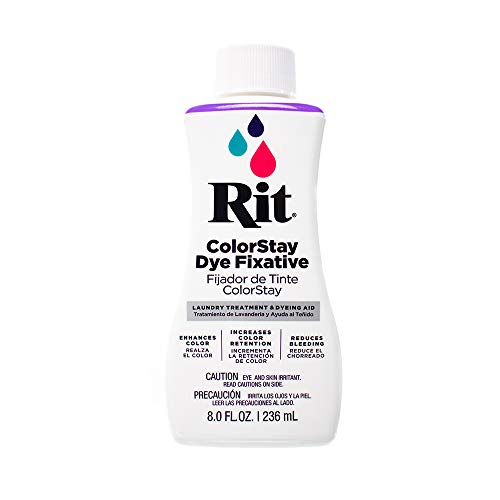
Sometimes you don’t have the time for a multi-hour simmer, especially if you are working with a store-bought dye kit. Rit’s fixative is a convenient alternative for those who need to lock in color on protein fibers quickly.
It is best suited for small, quick projects like dyeing a single pair of socks or a small accessory. It isn’t a traditional alum mordant in the historical sense, but it serves the same functional purpose for the modern, time-pressed knitter.
However, keep in mind that it may not offer the same longevity as a traditional alum bath. Use this for items that won’t see heavy, daily wear, or for projects where you want to experiment with color without a long preparation time.
Botanical Colors Alum Mordant: Best Sustainable Pick

Sustainability is a growing concern in the knitting community, and Botanical Colors aligns with the values of those who prioritize earth-friendly practices. Their sourcing is transparent, which is a major plus for ethical fiber enthusiasts.
Using this mordant feels like a natural extension of the plant-dyeing process itself. It respects the integrity of the fiber and the environment, making it a favorite for those who want their entire workflow to be as natural as possible.
The performance is excellent, providing deep, rich colors that hold up beautifully over time. If you are knitting with organic, sustainably sourced wool, it only makes sense to use a mordant that shares those same values.
Understanding the Role of Alum in Fiber Preparation
Alum acts as a "bridge" between the dye molecule and the fiber protein. Without this bridge, the dye molecules have nothing to grab onto, and they will simply wash away during your first blocking session.
Think of it like the difference between a loose stitch and a locked-in cable; the alum provides the structure that holds the color in place. It works by opening up the fiber scales slightly, allowing the pigment to penetrate deeper into the core of the yarn.
This process is essential for all protein fibers, including:
- Wool: The standard for most natural dyeing.
- Alpaca: Requires careful handling due to its slippery, smooth texture.
- Silk: Absorbs color beautifully but needs a very even mordant application.
- Mohair: The halo can trap dye unevenly, so consistent mordanting is key.
How to Safely Calculate Alum Ratios for Protein Fibers
Calculating your alum ratio is just as important as calculating your yarn requirements for a sweater. A standard starting point is 15% to 20% of the weight of the fiber (WOF).
If you are dyeing 100 grams of wool, you would use 15 to 20 grams of alum. Always use a digital kitchen scale for this; guessing by volume is a recipe for uneven, blotchy results that will haunt your finished garment.
- Weigh your dry fiber: Never guess the weight, especially if the yarn is damp.
- Calculate the percentage: Use the 15-20% range based on the specific dye you are using.
- Dissolve thoroughly: Ensure the alum is fully dissolved in hot water before adding your yarn.
Essential Safety Tips for Handling Mordant Powders
Even though alum is relatively mild, it is still a chemical powder that should be handled with care. Always wear a dust mask when measuring the powder to avoid inhaling fine particles, especially if you have sensitive lungs.
Never use the same pots or utensils for dyeing that you use for cooking your family’s dinner. Keep a dedicated set of stainless steel or enamel equipment specifically for your fiber arts projects to avoid cross-contamination.
Work in a well-ventilated area, and keep your workspace tidy to prevent spills. If you have pets or small children, ensure your mordant supplies are locked away securely, just as you would with your sharp knitting needles or expensive wool wash.
Troubleshooting Common Issues in Natural Fiber Dyeing
The most common issue is uneven color, which usually stems from poor agitation or a weak mordant bath. If your yarn comes out with "streaks," it likely wasn’t moved enough during the mordanting or dyeing phase.
Another issue is "crocking," where the dye rubs off on your hands while you are knitting. This usually means the fiber wasn’t mordanted long enough or the dye wasn’t properly set after the bath.
- Blotchy color: Increase your stirring frequency and ensure the pot is large enough.
- Fading: Re-check your alum-to-fiber ratio; you may need to increase the percentage.
- Harsh texture: You may have used too much heat; protein fibers are delicate and can felt if boiled.
Mastering the use of alum is a transformative step for any knitter who wants to take full control of their color palette. By choosing the right product for your specific project and following careful, consistent preparation methods, you ensure that your hand-dyed yarns remain vibrant for years. Remember that fiber arts are a craft of patience, and the time you invest in the mordanting process is just as valuable as the time you spend at the needles. Happy dyeing, and may your colors always stay true.