6 Best Pipettes For Precision Speckling To Use
Achieve flawless detail with our top six precision pipettes. We analyze flow control and tip durability to help you master professional-grade speckling effects.
Hand-dying your own yarn is the ultimate way to achieve a custom palette that perfectly matches your vision for a sweater or shawl. Precision speckling requires more than just a steady hand; it demands the right tools to control how dye hits the fiber. Using a high-quality pipette ensures that your color pops remain intentional rather than messy. Here are the best tools to help you master the art of the speckle.
Eisco Labs Glass Droppers for Precise Color


These glass droppers are the gold standard for those who demand total control over their dye application. Because glass is non-porous, it doesn’t hold onto residual pigments, making it easy to switch from a deep indigo to a vibrant yellow without cross-contamination.
The weight of the glass provides a level of stability that lightweight plastic often lacks. When you are hovering over a skein of delicate laceweight merino, that extra bit of balance helps prevent accidental drips in the wrong spots.
However, glass is inherently fragile. If you’re working in a crowded studio space, one accidental bump against your dye pot can lead to a shattered mess. Keep these for your most detailed work where precision is worth the risk of breakage.
United Scientific Plastic Pipettes for Dyes

When you are working through a large batch of yarn—perhaps enough for a full-sized adult sweater—you need a reliable workhorse. These plastic pipettes are affordable enough to have in bulk, meaning you can dedicate one to every color in your palette.
The flexible nature of the plastic allows for excellent suction control. By squeezing the bulb with varying degrees of pressure, you can decide whether you want a tiny, pinpoint speckle or a slightly larger, softer dot of color.
The main trade-off here is the material’s interaction with concentrated dyes. Some highly pigmented acid dyes might stain the interior of the plastic over time, making it hard to see exactly how much liquid is left inside. Treat these as semi-disposable tools that you replace once they become too clouded to read.
Fisherbrand Disposable Transfer Pipettes
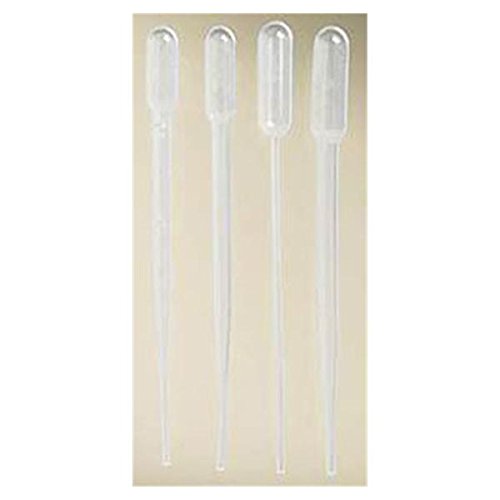
Fisherbrand pipettes are a staple in many professional dye studios because of their consistent, uniform design. They feature a molded-in graduation mark, which is incredibly helpful when you are trying to replicate a specific speckle density across multiple skeins.
If you are aiming for a "repeatable" colorway, consistency is your best friend. These pipettes take the guesswork out of your process, ensuring that your first skein looks just as vibrant as your tenth.
Because they are designed for single-use, they are incredibly convenient for high-volume production. Just remember that they are made of thin polyethylene; don’t expect them to survive a rigorous scrubbing session in the sink.
Carolina Biological Supply Graduated Pipettes

These pipettes are designed for scientific accuracy, which translates perfectly to the precision required for fiber art. The clear, easy-to-read markings allow you to measure your dye concentrates with extreme precision before you even touch the yarn.
If you are experimenting with custom color mixing, these are invaluable. You can record exactly how many milliliters of dye you used to achieve a specific shade, allowing you to recreate that perfect "mossy forest" green later on.
They are slightly more robust than standard transfer pipettes, offering a bit more longevity. While they aren’t meant for a lifetime of use, they hold up well to repeated rinsing and drying during a long dyeing session.
Karter Scientific Fine Tip Transfer Pipettes

The "fine tip" on these pipettes is a game-changer for knitters who love a dense, intricate speckle. If you want your yarn to look like a speckled egg or a starry night sky, you need a tool that can deposit the smallest possible drop of liquid.
These pipettes allow for a high degree of control, letting you "flick" the dye onto the fiber with surgical accuracy. This is particularly useful when you want to avoid hitting the white background of the yarn and only want color on the twist of the ply.
Be aware that the very fine tip can clog if your dye solution isn’t perfectly dissolved. Always double-check that your dye powder is fully integrated into your water before loading it into these delicate tools.
Heathrow Scientific Precision Bulb Pipettes

These pipettes are built for comfort, which matters if you are spending three or four hours standing over a dye table. The bulb is ergonomically shaped to fit comfortably in the hand, reducing fatigue during long sessions.
The precision of the flow is excellent, providing a steady drip that doesn’t "burp" or release a sudden puddle of color. This reliability is essential when you are working with expensive hand-dyed bases like silk-mohair blends, where you only get one shot at getting the color right.
They are a slightly higher investment, but the durability makes them worth it for the dedicated dyer. They are easy to rinse and sanitize, meaning they will stay in your studio kit for many projects to come.
Understanding Speckling for Hand-Dyed Yarn
Speckling is the technique of applying concentrated dye directly to damp or dry yarn to create small, distinct spots of color. Unlike immersion dyeing, where the yarn is submerged in a bath, speckling relies on the surface tension of the fiber to hold the color in place.
The secret to a great speckle is the moisture level of your yarn. If the yarn is too wet, the dye will "bleed" and spread, turning your sharp speckles into soft, blurry blotches.
If the yarn is too dry, the dye might sit on the surface without penetrating the fiber, leading to color loss during the final rinse. Aim for "damp-dry"—the yarn should feel cool to the touch but shouldn’t have excess water dripping from it.
How to Choose the Right Pipette for Dyeing
Choosing the right tool depends entirely on the "look" you are trying to achieve. For large, painterly spots, a wider-bore pipette is appropriate, as it allows for a larger drop of liquid to release at once.
If you are chasing that professional, high-definition speckled look, opt for a fine-tipped pipette. You should also consider your hand size and grip strength; a pipette that feels awkward in your hand will inevitably lead to shaky, inconsistent speckling.
- Fine Tip: Best for tiny, dense, "starry" speckles.
- Wide Tip: Best for larger, soft-edged, "watercolored" spots.
- Graduated: Essential for those who want to track recipes and replicate colors.
Essential Safety Tips for Working With Dyes
Even when using small tools like pipettes, safety is non-negotiable. Always wear a mask when handling dye powders, as the fine particles can easily become airborne and irritate your lungs.
Gloves are mandatory, not just to keep your hands clean, but to prevent skin irritation from concentrated acid dyes. Keep a dedicated area for dyeing that is away from your food preparation surfaces and out of reach of pets or children.
Always work in a well-ventilated space. If you are using a heat-set method to fix your dye, ensure your ventilation is adequate to handle any steam or fumes that might be produced during the process.
Cleaning and Maintaining Your Dyeing Tools
To keep your pipettes in good working order, rinse them thoroughly with warm water immediately after each use. Dried dye can create a crust inside the tip, which will ruin the flow for your next project.
For plastic pipettes, a quick soak in a mild bleach solution can help remove stubborn stains, but be sure to rinse them thoroughly afterward to avoid damaging the next batch of yarn. Glass droppers can be boiled or run through a dishwasher for a deep clean.
Store your tools in a clean, dry container to prevent dust and debris from entering the tips. Properly maintained tools will give you years of service and help you achieve the professional, high-quality results your knitting projects deserve.
Mastering the pipette is a small but mighty step in your journey as a yarn artist. By selecting the right tool for your specific speckling style, you gain the confidence to turn plain yarn into a masterpiece. Remember that every great dyer started with experimentation and a few mistakes along the way. Keep your tools clean, stay safe, and enjoy the beautiful colors you create for your next project.