6 Best Lace Weight Yarns for Intricate Designs
Discover the 6 best lace weight yarns for intricate designs. This guide evaluates fiber quality and drape to help you select the perfect thread for your work.
Choosing the right lace weight yarn is the difference between a project that sings and one that feels like a chore. When working with such fine filaments, the fiber’s memory and texture dictate how your intricate stitches will eventually settle. This guide cuts through the noise to highlight yarns that actually behave well on the needles. Whether you are aiming for a crisp geometric shawl or a soft, ethereal wrap, these six selections offer the best performance for your hard work.
Isager Spinni: The Ultimate Choice for Structure
If you are planning a project with complex cables or sharp, defined lace motifs, Isager Spinni is your best friend. This is a single-ply wool yarn that possesses a surprising amount of "tooth," meaning the fibers grab onto each other rather than sliding apart.
Because it is a single-ply, it has a rustic, authentic aesthetic that adds character to traditional Shetland-style lace. It doesn’t have the halo of mohair, which allows your yarn-overs and decreases to pop with high-definition clarity.
However, be warned: this yarn is not for the faint of heart. It can be prone to snapping if you tug too hard, and it isn’t the softest against the skin initially. Choose Spinni when you want your stitch pattern to be the star of the show.
Malabrigo Lace: Best for Rich Color Variation


Malabrigo Lace is the go-to for knitters who want to add a painterly, artisanal quality to their lace work. The hand-dyed colorways are legendary, offering subtle shifts that make a simple stockinette lace look incredibly complex.
Since it is made from 100% baby merino, it offers a level of softness that is hard to beat in the lace category. It has a high twist, which helps prevent the yarn from splitting while you work, though it lacks the structural rigidity of a woolier fiber.
The primary trade-off is the color variation itself. Sometimes, the shifts are so dramatic they can obscure the very lace pattern you worked so hard to create. Use this yarn for patterns with larger, open lace repeats where the color can shine without fighting the stitch geometry.
Rowan Kidsilk Haze: The Gold Standard for Mohair

Rowan Kidsilk Haze is a cult classic for a reason: it blends the strength of silk with the ethereal, cloud-like halo of mohair. It is the perfect choice for garments that need to be lightweight yet deceptively warm.
The silk core gives the yarn a beautiful drape and a subtle sheen that elevates any project. Because of the mohair halo, it creates a "blur" effect that softens the edges of your stitches, making it very forgiving for beginners who might have slightly uneven tension.
Be aware that knitting with mohair is a commitment. Once you make a mistake, "frogging" or ripping back is notoriously difficult because the fibers cling to one another. Always keep a lifeline in your work when using this yarn, as undoing a row is nearly impossible.
Shibui Knits Lunar: Best Silk for Soft Drape
Shibui Knits Lunar is a stunning blend of silk and merino that feels like liquid in your hands. It is incredibly smooth, making it a joy to knit if you have a habit of tensioning your yarn tightly.
The silk content provides a sophisticated drape that is ideal for shawls that need to hang elegantly over the shoulders. Unlike mohair, it has no halo, so your lace stitches will look crisp and clean, almost like jewelry.
The trade-off here is the slickness; because it is so smooth, it can slide off your needles if you aren’t careful. If you struggle with yarn slipping, pair this with wooden or bamboo needles to gain a bit more control.

Cascade Yarns Heritage: Best Value for Lace

Cascade Heritage is the workhorse of the lace world, offering a reliable, high-twist superwash merino and nylon blend. It is incredibly durable, which makes it an excellent choice for lace socks or projects that will see a lot of wear.
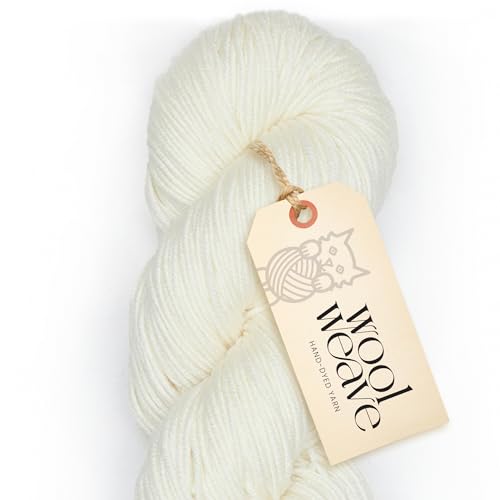
Many knitters overlook this yarn because it isn’t "fancy," but its consistency is unmatched. You won’t find knots or thick-and-thin spots in the skein, which is a common frustration with more artisanal lace yarns.
Because it contains nylon, it has a bit more elasticity than pure silk or mohair blends. If you are a beginner tackling your first lace project, start here to avoid the heartache of working with expensive, delicate fibers.
Fyberspates Gleem Lace: Best for Luxury Feel
Fyberspates Gleem Lace is a blend of baby alpaca and silk that feels like pure indulgence. The alpaca provides a gentle, fuzzy warmth, while the silk adds a heavy, luxurious drape that is perfect for formal evening wraps.
The fiber has a slight sheen that catches the light beautifully, making your lace patterns look more intricate than they might appear in a matte yarn. It is exceptionally soft, making it a great choice for items worn directly against the neck or face.
Because alpaca is a hollow fiber, it can be slightly heavier than wool. Ensure your blocking wires are sturdy, as this yarn will hold its shape beautifully once set, but it needs a firm hand during the blocking process.
Understanding Lace Weight and Fiber Properties
Lace weight is not just a size; it is a category of behavior. Generally, lace yarns range from 800 to 1200 yards per 100 grams, but the "feel" is dictated by the fiber content.
- Wool: Offers the best stitch definition and memory.
- Silk: Provides drape, sheen, and a cool-to-the-touch feel.
- Mohair/Alpaca: Adds halo, warmth, and a soft, blurred aesthetic.
- Nylon/Synthetics: Increase durability and prevent sagging in garments.
Don’t assume that all lace yarns are interchangeable just because the yardage is similar. A mohair blend will knit up at a much different gauge than a firm, high-twist silk. Always swatch to see how the fiber interacts with your chosen needle size.
Essential Tips for Blocking Intricate Lace Work
Blocking is the "magic" step where your lace project transforms from a crumpled, tight piece of fabric into a delicate, open masterpiece. You must wash your project in lukewarm water with a gentle wool wash, then gently squeeze out the excess moisture.
Never wring the fabric; instead, roll it in a thick towel to absorb the water. Once damp, pin your work out on blocking mats, starting from the center and working your way out to the edges.
For complex lace, use blocking wires to get perfectly straight edges on your points. The tension you apply during blocking is permanent, so take your time to ensure your motifs are symmetrical.
Choosing the Right Needle for Fine Lace Yarns
Your choice of needle material changes the entire knitting experience. If you are using a slippery yarn like silk, opt for wood or bamboo needles to add a bit of "grip" to the process.
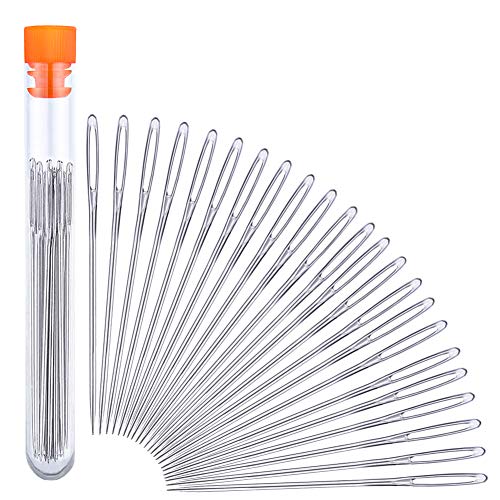
If you are using a sticky fiber like mohair or wool, metal needles will help the stitches slide off the tip with ease. The point of the needle also matters; a sharp "lace tip" is essential for executing complex decreases like SSKs (Slip, Slip, Knit) or centered double decreases.
Don’t be afraid to go up a needle size from what the ball band suggests. Lace is meant to be airy; if your needles are too small, the fabric will be stiff and lose its drape.
How to Manage Tension in Delicate Lace Projects
Tension is the most common hurdle for lace knitters, especially when transitioning between knit and purl stitches. If your tension is too tight, you will struggle to insert your needle into the stitch, leading to hand fatigue and broken yarn.
Try to keep your movements small and efficient. If you find your lace is uneven, focus on "throwing" or "picking" the yarn with consistent motion, rather than pulling the strand tight after every stitch.
Remember that lace is designed to be forgiving. Most minor tension inconsistencies will disappear during the blocking process, so don’t be tempted to rip back your work for tiny, invisible errors. Focus on the rhythm of the lace rather than the perfection of every single loop.
Mastering lace weight yarn is a journey of understanding how fiber, needle, and tension interact to create something beautiful. By choosing the right material for your specific pattern, you set yourself up for a much more rewarding knitting experience. Trust your hands, respect the fiber’s properties, and remember that every lace project is a lesson in patience. Happy knitting, and enjoy the process of watching your intricate designs take shape.