6 Best Lace Weight Yarns For Delicate Shawls
Discover the 6 best lace weight yarns for delicate shawls. This guide explores fiber blends and textures to help you achieve the perfect drape and finish.
Knitting a lace shawl is a meditative journey that transforms a single, gossamer strand into a wearable piece of art. Choosing the right yarn is the most critical decision you will make, as it dictates the drape, warmth, and longevity of your finished project. Whether you are seeking a dramatic mohair halo or a crisp, architectural finish, the fiber you choose changes the way the lace pattern behaves on your needles. This guide explores the best lace weight yarns to ensure your next heirloom project is a resounding success.
Malabrigo Lace: Best for Hand-Dyed Color Depth


Malabrigo Lace is a single-ply, 100% baby merino yarn that feels like a cloud against the skin. Because it is a single-ply construction, the fibers are not twisted tightly, which allows the yarn to absorb dye in deep, saturated, and often variegated hues.
When you knit with this yarn, you will notice a slight fuzziness that softens the edges of your lace stitches. This makes it an excellent choice for patterns with complex, flowing motifs where you want a painterly effect rather than sharp, geometric lines.
However, be mindful that single-ply yarns are more prone to pilling and snagging than plied yarns. If you are knitting a shawl that will see heavy daily wear, consider a pattern with a less intricate lace repeat to minimize friction.
Rowan Kidsilk Haze: Best for Classic Mohair Halos

Rowan Kidsilk Haze is the industry standard for a reason: it combines the strength of silk with the ethereal, fuzzy cloud of super kid mohair. This blend creates a "halo" that fills in the gaps of your lace, making even a simple eyelet pattern look incredibly sophisticated.
This yarn is exceptionally light, meaning you can knit a massive, wrap-around shawl that weighs almost nothing. It is a dream for those who want warmth without the bulk, especially when paired with a heavier yarn for a marled effect.
The trade-off is that mohair is notoriously difficult to "tink" or unravel if you make a mistake. The fibers cling to each other, so keep your stitches consistent and double-check your charts before you commit to a long row.
Shibui Knits Lunar: Best Silk and Merino Blend
Shibui Knits Lunar offers a sophisticated, subtle sheen that only a high-quality silk-merino blend can provide. It is a chainette-constructed yarn, which gives it a unique structural integrity that is rare in the lace weight category.
Because of this chainette construction, the yarn is remarkably resistant to snapping, unlike many delicate single-ply alternatives. It provides a crisp, clean stitch definition that makes your yarn-overs and decreases pop with professional clarity.
This is the perfect choice for modern, minimalist shawls that rely on clean lines rather than heavy textures. If you find standard lace yarns too fragile, the durability of this blend will give you the confidence to knit faster and more boldly.
Isager Alpaca 1: Best for Crisp Stitch Definition
Isager Alpaca 1 is a fingering-weight-adjacent lace that offers incredible yardage and a very dry, crisp hand. It lacks the halo of mohair or the sheen of silk, which makes it the ultimate choice for showing off intricate, traditional lace patterns.
Alpaca fiber has a natural elasticity that is lower than wool, meaning your stitches will stay exactly where you put them. If you are struggling with "lazy" stitches that look uneven, this yarn will help you achieve a uniform, professional appearance.
Just remember that alpaca is warm and can be slightly "hairy" over time. It is best suited for projects where you want the structure of the lace to be the star of the show, rather than the texture of the fiber itself.
Hedgehog Fibres Lace: Best for Vibrant Projects

Hedgehog Fibres is famous for its bold, high-contrast colorways that refuse to be ignored. Their lace weight is a blend of silk and wool, providing both the strength of the protein fiber and the softness needed for a garment worn against the neck.
When using these vibrant colors, avoid overly busy lace patterns that might fight with the yarn’s color transitions. Instead, choose patterns with larger open spaces or solid blocks of lace to let the hand-dyed colors shine.
Because these are small-batch, hand-dyed yarns, always remember to alternate skeins if you are working on a large shawl. This prevents "pooling" or abrupt color changes when you transition from one ball to the next.

Lace Weight Cashmere: Best for Ultimate Softness
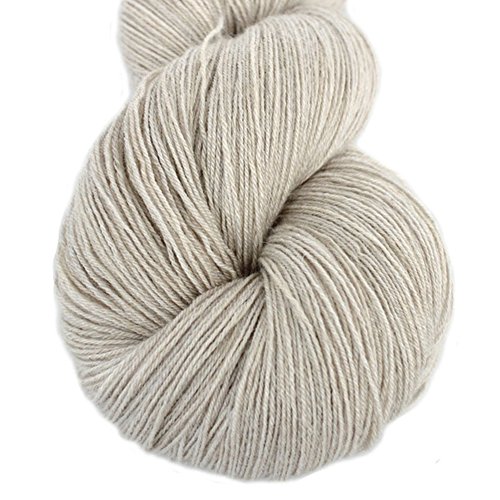
Cashmere is the gold standard for luxury, offering a warmth-to-weight ratio that is unmatched by any other fiber. It is incredibly soft, making it the only choice for those with sensitive skin who find mohair or wool too scratchy.
The downside is that pure cashmere has very little "memory" and can grow or stretch significantly after blocking. You must be prepared to swatch extensively and perhaps knit your shawl slightly smaller than your desired final size.
Treat your cashmere projects with the reverence they deserve by hand-washing them in a gentle wool wash. This is an investment yarn that, if cared for properly, will remain a prized possession for decades.
How to Choose the Right Fiber for Lace Shawls
Choosing the right fiber is a balance between the aesthetic you want and the practical reality of how the shawl will be worn. If you want a shawl that drapes like liquid, look for high-silk content or fine alpaca.
- Mohair/Silk: Best for airy, ethereal warmth and a soft halo.
- Merino/Silk: Best for drape, sheen, and stitch definition.
- Alpaca: Best for structure, crispness, and thermal regulation.
- Cashmere: Best for pure luxury and next-to-skin comfort.
Always consider the "memory" of the fiber. If you are knitting a complex geometric shawl, choose a yarn with a bit of wool content to help it hold its shape after you block it.
Understanding Yardage and Gauge for Lace Knits
Lace weight yarn varies wildly in thickness, often measured in WPI (wraps per inch). A "lace" yarn can range from a cobweb-thin strand to something nearly as thick as a fingering weight, so check your yardage carefully.

Always look for the recommended needle size on the label as a starting point, but don’t be afraid to go up 1-2mm. Lace is meant to be open and airy; knitting too tightly will turn your elegant shawl into a stiff, dense piece of fabric.
If you are running low on yarn, remember that you can often extend a shawl by knitting a simpler border or omitting a few repeats. It is better to have a slightly smaller, perfectly blocked shawl than to run out of yarn mid-row.
Blocking Techniques for Delicate Lace Projects
Blocking is the final, most important step of the process. It is the act of soaking your finished piece and pinning it out to reveal the true beauty of your lace patterns.
For mohair or wool blends, use a gentle wool wash and soak the piece for 15-20 minutes. Gently squeeze out the excess water—never wring it—and roll the shawl in a dry towel to remove as much moisture as possible.
Use rust-proof T-pins and blocking wires to pull the shawl into its final shape. Focus on opening up the yarn-overs, as this is where the "lace" truly happens; you will be amazed at how a crumpled piece of knitting transforms into a delicate, sprawling design.
Essential Tools for Working With Lace Weight Yarn
Lace knitting requires tools that don’t fight against the fine, slippery nature of the yarn. I highly recommend using sharp-tipped needles, which make it much easier to maneuver through complex decreases like a double-centered decrease.
- Needle Material: Stainless steel or nickel-plated needles are often preferred for lace because they are slick, helping you move stitches quickly.
- Stitch Markers: Use thin, snag-free markers so you don’t accidentally catch the delicate fibers.
- Blocking Wires: These are essential for getting a straight edge on long, triangular, or crescent-shaped shawls.
- Lifelines: Always carry a smooth, contrasting thread to run through your stitches every few rows; if you drop a stitch, you’ll be glad you did.
Investing in a good set of lace needles will save you hours of frustration. The right tool should feel like an extension of your hand, allowing you to focus on the rhythm of the pattern rather than the mechanics of the yarn.
Knitting with lace weight yarn is one of the most rewarding challenges a maker can undertake. By understanding the unique properties of fibers like mohair, silk, and alpaca, you can select the perfect material to bring your vision to life. Remember that your gauge, blocking technique, and tool choice are just as important as the yarn itself. With patience and practice, you will create heirloom-quality shawls that showcase your skill and passion for the craft.