6 Best Needle Polishers For Snag Prevention
Keep your fabric safe with our top 6 needle polishers. Discover how these essential tools smooth rough tips to prevent snagging and protect your embroidery.
There is nothing more frustrating than the subtle, rhythmic snag of a needle catching on a delicate lace project or a strand of hand-dyed wool. Over time, even the highest-quality needles develop microscopic burrs or oxidation that can compromise your yarn and ruin your flow. Maintaining the surface integrity of your tools is a simple habit that transforms your knitting experience from a struggle into a smooth, meditative practice. By choosing the right polishing and maintenance tools, you ensure your needles remain as slick and precise as the day you bought them.
The Knitter’s Pride Needle Polish: Best Overall


This polish is a staple for a reason, acting as a dedicated spa treatment for your favorite needle sets. It is specifically formulated to remove the dullness that accumulates on metal needles without leaving behind a sticky or greasy residue.
When you notice your stitches aren’t gliding as freely as they once did, a light application of this polish can restore that essential "slickness." It is particularly effective for removing the faint oxidation that occurs on nickel-plated or brass needles after heavy use.
Keep in mind that while this product is excellent for metal, it is not intended for porous materials like bamboo or rosewood. For the best results, use a soft, lint-free cloth and buff the needle gently to avoid creating uneven friction points.
Colonial Needle Company Emery Cushion: Best Portable

If you have ever had a needle tip become slightly dulled or develop a tiny, sharp burr mid-project, you know the panic of potentially splitting your yarn. The classic strawberry-shaped emery cushion is a reliable, old-school solution for honing those points back to perfection.
This isn’t for deep cleaning, but rather for quick, targeted maintenance when you are on the go. Simply push your needle tip into the cushion a few times to gently abrade away minor imperfections or surface rust.
Be careful not to overdo it, as the abrasive nature of the emery can alter the actual shape of the tip if you are too aggressive. Use it sparingly to keep your points sharp enough for fine lace work without wearing down the material itself.
HiyaHiya Needle Gauge and Polisher: Best Multi-Tool

This tool is a brilliant space-saver for any knitter’s notions bag, combining a standard needle gauge with a built-in polishing surface. It allows you to verify your needle size while simultaneously addressing minor surface snags.
The convenience of having a gauge and a polisher in one rigid piece of plastic means you are less likely to skip maintenance. If you are working on a project where you need to check gauge frequently, you can quickly buff the needle tips as you measure.
While it lacks the heavy-duty power of a specialized liquid polish, it is perfect for the "quick fix" scenario. It’s an essential tool for those who prefer to keep their notions kit minimal and highly functional.
Clover Needle Point Protectors: Best Maintenance
While often seen as a way to keep stitches on the needle, point protectors are actually your first line of defense against surface damage. By shielding the most delicate part of the needle—the tip—you prevent the dings and scratches that cause snags in the first place.
Using these is especially important if you carry your knitting in a crowded bag or travel frequently. A nicked tip acts like a hook, constantly catching on the plies of your yarn and leading to fraying or broken stitches.
Choose soft, silicone-based protectors that fit snugly without being so tight that they pull or bend the needle point. They are a passive maintenance tool that saves you from needing more intensive polishing later on.
Dritz Sewing Machine Oil: Best for Metal Needles
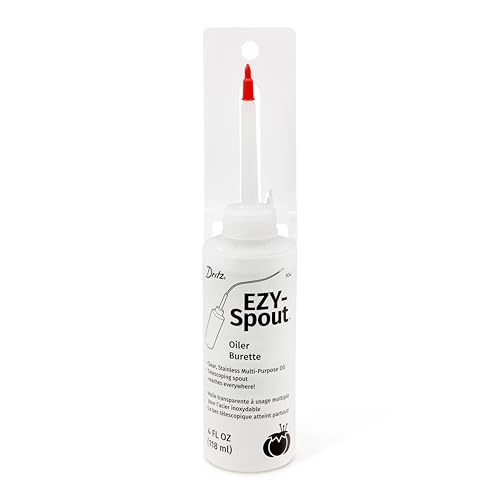
This is a pro-level secret for those who knit with metal needles that have become sluggish or developed a "tacky" feel. A single, tiny drop of sewing machine oil on a cloth can lubricate the surface, making your stitches fly across the needles.
This is particularly helpful for knitters who suffer from sweaty hands, as the oil creates a protective barrier against the salts and oils from your skin. It prevents the rapid oxidation that often makes metal needles feel "grippy" after a few weeks of consistent use.
Use this method very sparingly; you only need a microscopic amount to achieve the desired effect. If you use too much, you risk transferring oil onto your yarn, which can be a nightmare to wash out of delicate fibers like mohair or silk.
Bee’s Wax Blocks for Wooden Needles: Best Natural
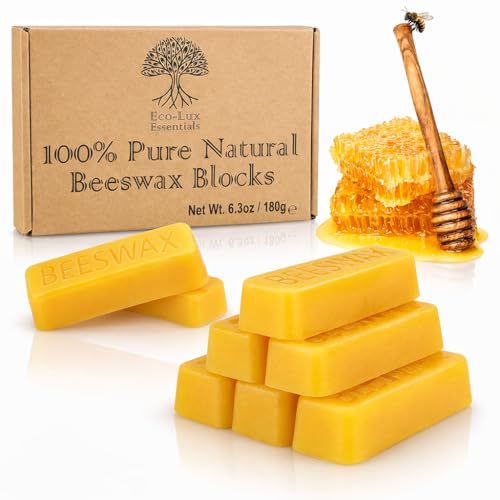
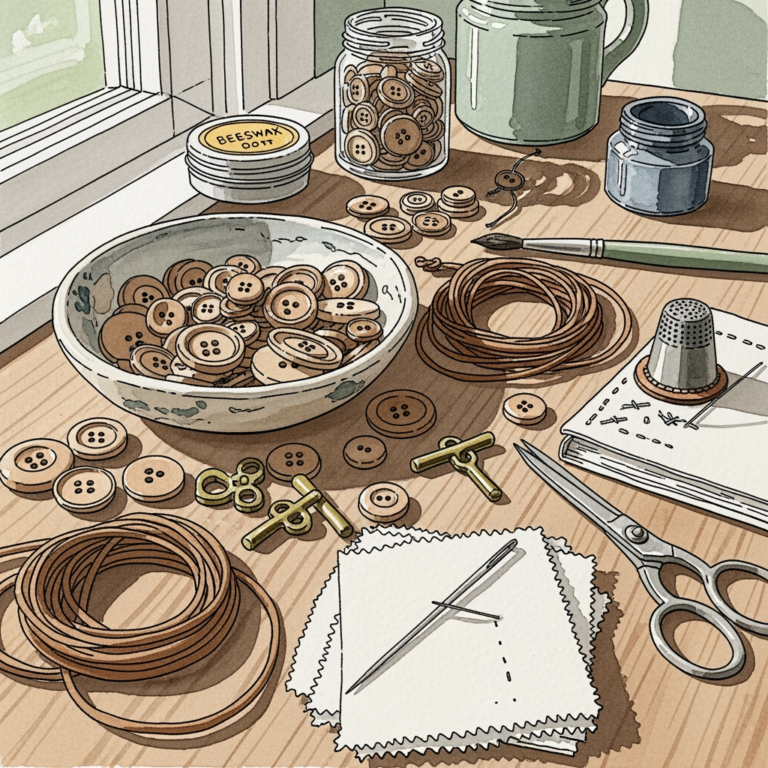
Wooden needles are beautiful, but they can become dry, splintered, or "grabby" over time, especially in low-humidity environments. A block of pure, natural bee’s wax is the perfect way to condition the wood and restore its natural, smooth finish.
Rubbing the wax onto the needles fills in the microscopic pores of the wood, creating a protective, slick coating that mimics the feel of a brand-new needle. It also helps to seal any tiny, emerging splinters before they can snag your yarn.
This is a far safer and more effective treatment for natural materials than synthetic oils. The wax provides just enough slip to keep your knitting moving without making the needles feel unnaturally plastic or slick.
Why Needle Surface Integrity Matters for Your Yarn
The surface of your needle is the primary interface between your hands and your yarn. If that surface is compromised, you aren’t just fighting the needle; you are fighting the structure of the fiber itself.
- Snagging: Burrs catch on the plies of the yarn, causing the fiber to untwist or snap.
- Gauge Consistency: Rough needles create extra friction, which often leads to tighter, uneven stitches.
- Fiber Damage: Delicate fibers like alpaca or merino are highly susceptible to being "pulled" by even the smallest surface imperfection.
When your needles are smooth, your tension becomes more consistent and your hands experience less fatigue. Investing a few minutes in maintenance pays dividends in the final drape and appearance of your finished garment.
How to Properly Clean and Polish Your Knitting Tools
Cleaning your needles is a simple ritual that should be performed whenever you transition between projects. Start by wiping them down with a soft, dry cloth to remove dust and skin oils that accumulate during long sessions.
If you are dealing with deeper grime, a slightly damp cloth with a drop of mild dish soap works wonders for metal and plastic. Always ensure the needles are completely dry before you store them to prevent long-term corrosion.
For wooden needles, avoid water entirely, as it can swell the fibers and raise the grain. Instead, use a dry cloth to buff them, followed by a light application of wax to keep the wood nourished and smooth.
Identifying Signs of Wear on Wooden and Metal Tips
You can often feel a problem before you see it, but a quick visual inspection is always a good idea. Run your fingernail gently along the length of the needle; if it catches or feels "bumpy," you have a burr that needs polishing.
For metal needles, look for dull spots, discoloration, or tiny nicks near the tip. These are signs of oxidation or physical impact, both of which will eventually lead to snagged yarn.
For wooden needles, look for "fuzzing" or tiny, raised fibers on the surface. These indicate that the wood is drying out or has been damaged by friction, and they are the immediate precursors to splinters.
Preventing Snags: Best Practices for Needle Care
The best way to maintain your needles is to treat them with the same care you give your finished hand-knits. Store them in a dedicated case rather than loose in a bag, and always use point protectors when the needles are not in use.
Be mindful of your knitting environment; extreme heat or humidity can warp wooden needles and accelerate the oxidation of metal ones. If you notice your stitches are dragging, don’t force them—stop and check your needle surface immediately.
Ultimately, your needles are precision tools that deserve regular attention. By keeping them clean, polished, and protected, you ensure that your knitting remains a joy rather than a battle against friction.
Maintaining your knitting needles is an essential aspect of the craft that often goes overlooked until a snag ruins a beautiful row. Whether you prefer the natural conditioning of bee’s wax or the precision of a professional metal polish, consistent care will significantly extend the life of your tools. Remember that a smooth needle is the foundation of a smooth stitch, allowing your focus to remain entirely on the beauty of your yarn. Keep your needles clean, your points protected, and your stitches gliding effortlessly.