6 Best Heavy Duty Hand Salves For Fiber Artists
Soothe dry, cracked skin with our top picks for the 6 best heavy duty hand salves for fiber artists. Restore your hands and keep crafting comfortably today.
Constant friction against bamboo needles and the repeated tensioning of rougher wools can wreak havoc on a fiber artist’s skin. Dry, cracked fingertips are more than just a nuisance; they cause snags that can split delicate plies and ruin the stitch definition of fine projects. Maintaining soft, hydrated hands is an essential part of tool maintenance, ensuring that both the knitter and the yarn remain in peak condition. Selecting the right hand salve is a critical step in preserving your skin while protecting your fiber investments from unwanted abrasion.
O’Keeffe’s Working Hands: Best for Cracked Skin


This heavy-duty cream is specifically formulated to create a protective barrier on severely dry, cracked skin. It is particularly effective for those working with high-twist yarns or metallic threads that can act like tiny saw blades on fingertip skin.
The formula is non-scented and highly concentrated, meaning only a tiny amount is required per application. It works by drawing moisture into the skin rather than just sitting on the surface, which helps restore elasticity to overworked cuticles.
Because it absorbs quickly, it is an excellent choice for knitters who suffer from deep cracks that catch on fiber. If your hands are already damaged, this is the most reliable option for rapid recovery.
Burt’s Bees Hand Salve: Best Natural Ingredients

This salve relies on a blend of sweet almond oil, olive oil, and beeswax to deliver deep conditioning. It is ideal for fiber artists who prefer a clean, botanical-based product that avoids harsh synthetic fragrances.
The beeswax creates a long-lasting seal that remains effective even after several hours of working with cotton or linen yarns, which can be notoriously drying to the skin. It provides a slightly thicker feel that helps soothe skin stressed by long marathon sessions of intricate colorwork.
Take care to use it sparingly, as the rich botanical oils take longer to absorb than water-based creams. It is a perfect choice for an overnight treatment to repair hands after a long day of crafting.
Bag Balm Skin Moisturizer: The All-Purpose Healer

Originally designed for livestock, this classic formula is a staple in many knitting bags for a reason. Its inclusion of 8-hydroxyquinoline sulfate provides a unique, antiseptic quality that helps heal small nicks and cuts common when working with sharp point needles or yarn snips.
The consistency is very thick and waxy, making it arguably the most “heavy-duty” option on this list. It is best reserved for times when skin is exceptionally dry or when hands need intensive protection from cold, dry workshop environments.
Note that it has a distinct, medicinal scent that lingers, which may be polarizing for some users. However, for sheer healing power, few products match its ability to turn around rough, snag-prone skin.
Badger Balm for Hardworking Hands: Best Organic Pick
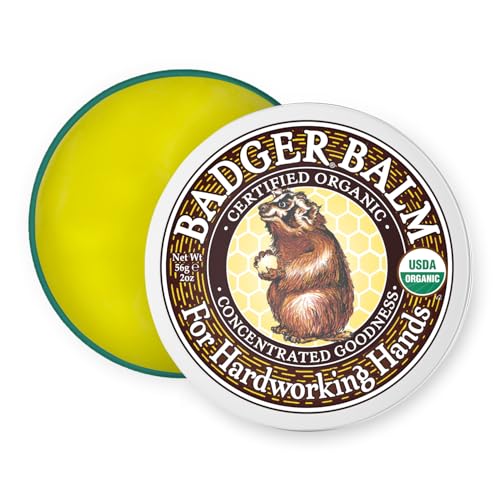
Badger Balm utilizes extra virgin olive oil and castor oil to penetrate deep into the skin’s layers. It is an excellent choice for the environmentally conscious maker who wants a certified organic product that performs under pressure.
The balm is firm at room temperature but melts easily upon contact with body heat. This makes it very easy to target specific dry areas, such as the pads of the index fingers that constantly regulate yarn tension.
It provides a smooth, non-sticky finish once it has fully absorbed. This makes it highly compatible with delicate fibers like silk or mohair, where residual stickiness would be a hindrance.
Neutrogena Norwegian Formula: Best Non-Greasy Feel

If you are sensitive to the sensation of residue on your hands while working with sensitive fibers, this formula is the industry standard. It is highly concentrated with glycerin, which locks in moisture without feeling slick or oily.
For knitters working with very fine gauge needles or slippery silk-blend yarns, this is often the preferred choice. It disappears into the skin almost instantly, ensuring your fingers maintain their natural grip without transferring grease onto your project.
While it lacks the heavy wax barrier of a balm, its ability to provide immediate relief without interference makes it a daily essential. It is the most “knitting-friendly” option for high-speed, high-precision projects.
Kiehl’s Ultimate Strength Hand Salve: Top Luxury Pick

This salve is designed for those who experience extreme dryness and need a product that works as hard as they do. It contains a thick, occlusive blend that creates a “glove-like” effect, protecting the skin from moisture loss during long hours of knitting.
The inclusion of avocado oil and sesame oil ensures that the hydration is substantial rather than surface-level. It is a premium option, but for those who find their hands prone to severe irritation during long-term projects, the investment pays off in comfort.
Be aware that it is quite rich, so allow it several minutes to fully soak in before picking up your needles. It is best used as a preventative measure at the start or end of your crafting session.
What to Look for in a Fiber-Friendly Hand Salve
When choosing a salve, prioritize non-greasy ingredients that absorb fully into the skin. Look for products containing glycerin, shea butter, or plant-based oils that won’t leave a film that could attract dust or transfer oils onto your yarn.
Avoid products with strong, artificial dyes or perfumes, as these can sometimes transfer to light-colored fibers during blocking or assembly. The best salves are those that enhance your natural grip rather than making your needles slide uncontrollably.
Always check for quick absorption times. If you have to wait more than five minutes to start knitting after application, the product may be too greasy for your specific workflow.
How to Apply Salve Without Staining Your Yarn
The golden rule is to apply your salve during natural breaks, such as when you are changing skeins or finishing a row. Focus the product on your palms and the backs of your hands rather than the direct points of contact with the yarn.
If you must apply it to your fingertips, use only a rice-sized amount and rub it in until the skin feels matte, not shiny. Allow at least ten minutes for the product to fully penetrate the skin before touching your project.
For extra protection, consider keeping a pair of light cotton gloves nearby to wear for ten minutes after applying a thicker salve. This ensures the product stays on your hands and off your precious alpaca or cashmere.
Good vs. Bad Ingredients for a Knitter’s Hand Care
Seek out natural humectants like glycerin or hyaluronic acid, which draw moisture into the skin. Emollients like beeswax and shea butter are excellent for creating a protective barrier against the friction of high-twist wools.
Avoid products heavy in mineral oil or petroleum-based thickeners, as these often stay on the surface and can create a slick, greasy residue. You should also watch out for harsh alcohols, which can dry out the skin even further over time.
Prioritize products with simple, nourishing ingredients that support the skin’s natural barrier. Complex synthetic additives are often unnecessary and increase the risk of staining or allergic reactions.
Salve vs. Lotion: What’s the Difference for Crafters?
Lotions are generally water-based and evaporate quickly, providing temporary hydration that may not last through a full project session. While they are less greasy, they rarely offer the deep, long-lasting barrier that a fiber artist needs for intensive work.
Salves and balms are oil- or wax-based, creating a thicker layer of protection that lasts much longer. They are the superior choice for preventing the micro-tears and dryness that lead to snagged yarn.
For the best results, use a fast-absorbing lotion for quick hydration during the day and a heavy-duty salve as an overnight intensive treatment. This two-pronged approach keeps hands soft without interfering with the texture of your work.
Proper hand care is an essential component of a successful fiber arts practice. By investing in a high-quality salve, you protect both your skin and your projects from unnecessary wear. Take the time to find the formula that suits your specific knitting style, and you will find that your hands feel as good as your finished garments look.