6 Best Weaving Waxes For Warp Friction To Use
Reduce loom friction with our guide to the 6 best weaving waxes. Learn which formulas protect your warp threads and ensure smoother, more efficient weaving.
Every weaver knows the frustration of a warp thread snapping just as the shuttle flies through the shed. Friction is the silent enemy of a smooth weaving process, often turning a meditative craft into a series of repairs. By using the right warp wax, you can coat those delicate fibers to withstand the constant abrasion of the reed and heddles. This guide explores the best tools to keep your tension consistent and your warp threads intact.
Bee’s Wax Blocks: The Traditional Weaver’s Choice
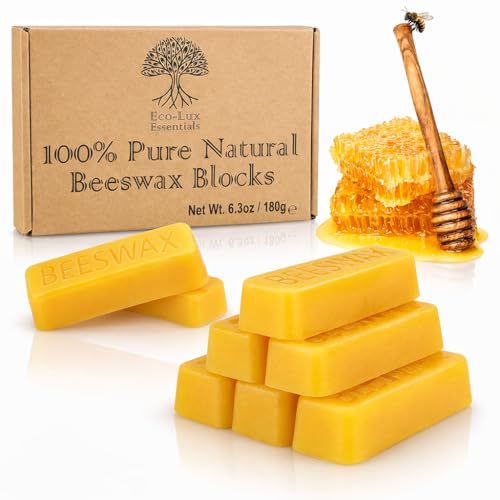

Pure beeswax is the gold standard for a reason, offering a natural tack that smooths down fiber ends without leaving a heavy residue. It provides just enough lubrication to prevent threads from snagging on each other as the shed opens and closes.
Because it is a natural product, it is gentle on almost every fiber type, from delicate wools to sturdy linens. It doesn’t contain the chemical additives found in some modern lubricants, making it a safe choice for heirloom projects.
However, keep in mind that raw beeswax can be quite sticky in warmer climates or during long summer weaving sessions. If your studio gets hot, the wax might soften too much and transfer unevenly. Always test a small scrap of your warp before committing to the whole loom.
Leclerc Warp Dressing: Best for Sticky Fibers
Leclerc’s dressing is specifically formulated for those times when your warp is fighting you every step of the way. It is particularly effective for fibers that have a tendency to "cling" or clingy, high-twist yarns that want to tangle in the heddles.
This product acts as a barrier, effectively "taming" the fuzz on yarns that haven’t been heavily processed. It’s a favorite for weavers working with singles or loosely spun fibers that would otherwise fray under the tension of a floor loom.
The tradeoff here is that it is slightly more aggressive than basic wax. Use it sparingly, as a little goes a long way toward creating a slick, manageable warp path.
Ashford Wax Sticks: Precision for Small Looms

If you are working on a rigid heddle or a smaller table loom, you don’t need a massive block of wax that will get in the way. Ashford’s wax sticks are designed to be held comfortably in the hand, allowing you to target specific areas of the warp.
They are incredibly convenient for "spot treating" sections where you notice extra friction or fraying. Because they are narrow, you won’t accidentally wax the entire loom when you only need to address a single troublesome thread.
These sticks are perfect for beginners who are still learning how to manage tension. They allow for a controlled application that keeps your project clean and prevents over-waxing.
Schacht Spindle Company Wax: Best for Tension

Schacht is a name synonymous with high-quality weaving equipment, and their wax is no exception. It is engineered to reduce friction while maintaining enough "grip" to keep your warp threads from slipping out of place.
This balance is crucial for weavers who struggle with maintaining consistent tension across the width of the warp. If your edges are loose or your center is too tight, this wax provides the stability needed to keep things uniform.
It is a reliable, professional-grade tool that won’t build up excessively on your reed. For those tackling complex patterns where tension is paramount, this is a top-tier choice.
Glimakra Beeswax Cakes: The Premium Warp Aid

Glimakra’s beeswax cakes are refined specifically for the demands of Scandinavian-style weaving. They offer a smooth, consistent glide that is almost unparalleled, making them ideal for long warps that stay on the loom for months.
The purity of this wax ensures that it won’t yellow or degrade over time, which is essential if you are weaving light-colored or white textiles. It is an investment piece for the serious weaver who values longevity.
While the price point is higher, the quality is evident in how little is required to achieve the desired effect. It is a premium product for those who want to ensure their warp is as protected as possible.
Harrisville Designs Warp Wax: Best for Beginners
Harrisville Designs understands the educational side of weaving, and their wax is designed to be foolproof. It is easy to apply, doesn’t require a heavy hand, and washes out cleanly during the finishing process.
For a beginner, the biggest fear is ruining a project with too much product. This wax is forgiving; even if you apply a bit too much, it won’t leave a permanent, waxy stain on your finished fabric.
It is a great starter tool that helps you learn the rhythm of weaving without the added stress of warp breakage. Pair this with a simple wool warp to get a feel for how much lubrication your loom actually needs.
Why Warp Friction Can Ruin Your Weaving Project
Friction is the primary cause of "fuzzing" on your warp threads. As the reed beats the weft into place, it rubs against the warp, causing fibers to break and create small knots or "nits."
These nits can catch on the heddles, causing the shed to close unevenly or, worse, causing the thread to snap entirely. Once a thread breaks, your weaving rhythm is interrupted, and you face the tedious task of repairing the warp.
Waxing isn’t just about making the threads slick; it’s about protecting the structural integrity of your yarn. By reducing the abrasion, you ensure that your fabric remains clean, crisp, and free of unwanted fiber pill.
How to Apply Wax to Warp Threads Without Staining
The secret to waxing is to apply it to the warp before it passes through the reed. Simply hold the wax block lightly against the threads and move it across the warp path in a smooth, sweeping motion.
You do not need to coat every single millimeter of the yarn. Focus on the sections that will be passing through the heddles and the reed, as these are the primary friction points.
If you are worried about staining, always use a clean, white cloth to buff the wax into the fibers after application. This removes excess product and ensures the wax is evenly distributed rather than sitting on the surface.
Choosing Between Natural Beeswax and Synthetic Wax
Natural beeswax is the classic choice, offering a beautiful scent and a biodegradable profile. It is generally safe for most fibers, though it can be sensitive to extreme temperature changes in your studio.
Synthetic waxes, on the other hand, are often more stable in varying climates and provide a more consistent "slickness." They are less likely to melt or become gummy, which can be a huge advantage for weavers in humid or hot environments.
Ultimately, the choice comes down to your personal preference and the fiber you are using. If you are working with delicate natural fibers, stick to beeswax; if you are working with synthetic blends or cotton, a modern wax may be more effective.
Common Mistakes When Using Wax on Delicate Yarns
The most common mistake is over-applying wax. You want a light coating, not a heavy, waxy buildup that will change the hand of your finished fabric.
Another mistake is failing to test the wax on a small sample of your yarn. Some yarns, especially those with unique finishes or delicate dyes, might react poorly to certain waxes.
Finally, never forget to wash your project after weaving. Wax is meant to be a temporary aid, and it should always be removed during the wet finishing stage to restore the yarn’s natural drape and softness.
Investing in a quality warp wax is one of the simplest ways to elevate your weaving experience and protect your hard work. By choosing the right product for your specific fiber and loom, you can eliminate the frustration of constant thread breakage. Remember that a little goes a long way, and your goal is always to protect the yarn while maintaining its natural character. Happy weaving, and may your sheds always be clear and your tension perfectly balanced.