6 Best Wool Roving Cutters For Clean Edges
Achieve precise, fray-free fiber projects with our top six wool roving cutters. Discover the best tools for clean edges and consistent, professional results.
Achieving a clean, crisp cut on wool roving is the difference between a smooth transition in your spinning and a frustrating, matted mess. Whether you are preparing fiber for a woolen or worsted draft, the integrity of your cut determines how well the fibers behave under tension. Investing in a dedicated pair of shears is not an indulgence, but a fundamental necessity for any serious fiber artist. These six tools represent the gold standard for maintaining fiber alignment and minimizing waste during your prep work.
Fiskars Amplify RazorEdge Fabric Shears


These shears are a revelation for those who find traditional scissors heavy or cumbersome. The Amplify technology is designed to sense the thickness of the material and adjust the blade tension accordingly, which is perfect for bulky, unspun roving.
When you are cutting through dense, multi-colored braids of roving, you need a tool that doesn’t "chew" the fiber. These shears provide a smooth, consistent glide that keeps the fiber structure intact. They are especially useful if you suffer from hand fatigue during long marathon spinning sessions.
The primary trade-off here is the plastic-heavy construction of the handle. While ergonomic, they lack the heirloom feel of forged steel, but for pure performance on roving, they are hard to beat.
Gingher 8-Inch Knife Edge Dressmaker Shears

Gingher is the name most of us heard first when we started our fiber journeys, and for good reason. These are forged from high-carbon steel and hold an edge that feels almost surgical when you are sectioning off wool for blending.
The "knife edge" is the secret weapon here; it allows the blades to meet at a precise point rather than just crushing the fiber between them. If you are working with delicate, fine-micron wool like Merino, these shears ensure you don’t compress or damage the individual staples.
Keep in mind that these require a bit more maintenance than modern, coated shears. You must keep them dry and occasionally oil the pivot screw to prevent oxidation, which can be a dealbreaker for some, but a ritual for others.
Kai 7250 10-Inch Professional Grade Shears

If you have ever felt the difference between a standard pair of scissors and a professional-grade tool, you know exactly why Kai is a favorite among tailors and fiber artists alike. The stainless steel used in these blades is exceptionally hard, meaning they stay sharp through miles of roving.
The 10-inch length provides excellent leverage, allowing you to make long, clean cuts through thick batts of fiber without the blades slipping. This is invaluable when you are dividing large quantities of roving for a multi-ply yarn project.
While the price point is higher, you are paying for a tool that will likely outlive your current spinning wheel. They are heavy, balanced, and offer a level of control that makes precision fiber management feel effortless.
LDH Scissors Midnight Edition Fabric Shears
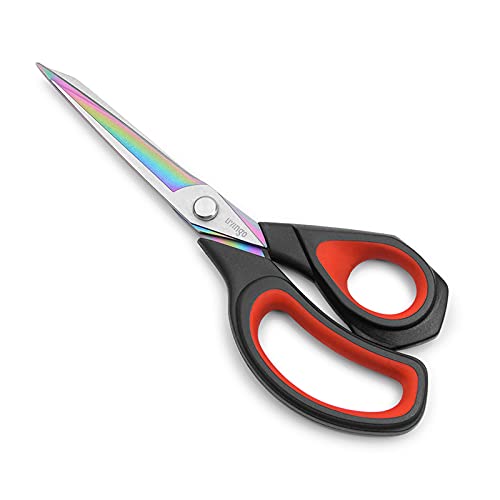
These are arguably the most aesthetically pleasing scissors on the market, but their performance is far from just decorative. The matte black finish is not just for show; it is a high-quality coating that helps the blades slide through sticky or lanolin-rich wool without dragging.
The weight distribution is perfectly centered, which helps when you are cutting through dense, raw fleece that has been carded into roving. You will find that these don’t "bind" even when you are cutting through several layers of fiber simultaneously.
Because they are so sharp, you must be careful not to use them on anything other than fiber. If you accidentally cut paper or wire, you will compromise that delicate, hand-honed edge immediately.
Westcott Titanium Bonded Sewing Scissors
Westcott is the practical choice for the knitter who wants high performance without the steep price tag of professional tailoring shears. The titanium bonding makes the blades three times harder than stainless steel, providing a robust edge that resists nicks and dulling.
These are excellent for the "everyday" fiber work, like trimming small amounts of roving for spinning samples or colorwork swatches. They are lightweight and forgiving, making them a great secondary pair to keep in your project bag.
The trade-off is that they are not as easily resharpened as traditional high-carbon steel blades. Once they eventually dull, they are often treated as a replacement item rather than a lifetime investment.
Havel’s Sewing 8-Inch Serrated Edge Shears

Serrated blades are a bit of a niche choice, but they are incredibly effective for slippery fibers like mohair or silk-blended roving. The micro-serrations act like tiny teeth, grabbing the fibers and preventing them from sliding away from the blade.
If you have ever tried to cut a slippery, high-luster fiber and watched it slide right out of your scissors, these will solve that problem instantly. They provide a "guillotine" effect that ensures the fiber stays exactly where you place it.
Be aware that these can leave a slightly "frayed" appearance on the very tip of the cut, which is rarely an issue for spinning but worth noting if you are using the roving for needle felting. They are a specialized tool that performs one job exceptionally well.
Essential Tips for Achieving Clean Roving Cuts
To get the cleanest edge, always use the full length of the blades rather than just the tips. Using the tips tends to fold the roving inward, which causes the fibers to bunch up and results in a ragged, uneven cut.
Always work on a flat, stable surface. Trying to cut roving while holding it in the air often leads to tension in the fibers, which causes them to snap back and distort once they are released.
- Tension: Keep the roving relaxed; do not pull it taut while cutting.
- Angle: Hold your shears at a slight angle to the fiber, rather than perpendicular, to encourage a shearing motion.
- Cleanliness: Ensure your blades are free of stray fiber bits or dust before every cut to prevent gunk buildup.
Why Sharp Blades Matter for Fiber Preparation
Dull blades do not cut; they crush. When you use dull scissors on wool roving, you are essentially damaging the fiber structure, which can lead to weak spots in your yarn or increased breakage during the drafting process.
A sharp blade creates a clean, precise separation of the fibers. This is critical for maintaining the "staple length"—the average length of the wool fibers—which is the foundation of a strong, consistent yarn.
If you are spinning a high-twist yarn, any damage caused by poor cutting will be magnified in the final product. Sharp tools ensure that your fiber is in the best possible condition before it ever touches your orifice or spindle.
How to Maintain Your Scissors for Longevity
The most important rule of scissor maintenance is to never, ever use your fiber shears on paper, cardboard, or wire. Paper contains clay and fillers that act like sandpaper on high-quality steel, dulling your edge in just a few cuts.
Regularly wipe your blades with a soft, lint-free cloth after each session to remove lanolin and dust. If you are using high-carbon steel, a tiny drop of sewing machine oil on the pivot screw will keep the action smooth and prevent rust.

If your shears feel like they are "chewing" the fiber rather than slicing, it is time for a professional sharpening. While there are DIY kits available, a professional who specializes in shears will ensure the correct bevel angle is maintained.
Safety Best Practices When Cutting Wool Roving
Even though roving is soft, the tools we use to cut it are not. Always store your shears closed, preferably in a protective sheath or case, to prevent accidental nicks and to protect the edges from damage.
When you are finished cutting, place your shears in a designated spot away from the edge of your table. It is incredibly easy to accidentally knock a pair of heavy shears off a table, which can bend the blades or ruin the alignment of the pivot.
Finally, always cut away from your body and keep your fingers clear of the blade path. When you are in the "zone" with your fiber prep, it is easy to become distracted; remain mindful of where your hands are at all times.
Choosing the right shears is a personal process that depends on the types of fibers you use most and how you prefer your tools to feel in your hand. Whether you opt for the surgical precision of a knife-edge shear or the grab-and-hold power of a serrated blade, your fiber will thank you for the upgrade. Take the time to care for your chosen tool, and it will serve as a reliable partner in your spinning for many years to come. Happy spinning, and may your drafts always be smooth.