6 Best Felted Wool Soaps for Delicate Garment Care
Discover the top 6 felted wool soaps for gentle garment care. Learn how these natural, exfoliating bars preserve fabric integrity and extend textile lifespan.
After spending two decades watching students pour hours of love into intricate cables and delicate lace, nothing breaks my heart more than seeing a finished heirloom ruined by the wrong detergent. Choosing the right soap isn’t just about cleaning; it’s about preserving the natural oils and structural integrity of the fibers you’ve painstakingly worked with. These six specialized washes are the industry gold standard for ensuring your knitwear remains soft, vibrant, and perfectly shaped for years to come.
Eucalan No-Rinse Delicate Wash: Best Overall Choice
Eucalan is the workhorse of the knitting world for a reason, primarily because it simplifies the post-project process without compromising fiber health. Its secret weapon is lanolin, a natural byproduct of wool that acts as a conditioner to keep fibers supple and static-free.
Because it is a no-rinse formula, you avoid the unnecessary agitation that comes with repeated dunking and squeezing. This is particularly vital for delicate lace shawls where the weight of water can easily stretch out your hard-won stitch definition.
The trade-off here is the faint, lingering scent, which some knitters find distracting. However, if you want a reliable, one-step solution that keeps your wool feeling like the day you bought the yarn, this is your go-to.
Soak Wash: Best for Gentle, Residue-Free Cleaning
Soak Wash changed the game by proving that you don’t need heavy suds to get a deep clean. Its low-residue formula is perfect for items that sit directly against the skin, like cowls or baby sweaters, where you want total peace of mind regarding chemical buildup.
I often recommend this for knitters who are sensitive to heavy fragrances or those who frequently work with high-twist merino. It rinses out so cleanly that it doesn’t leave a film, which can otherwise make yarn feel "waxy" or heavy over time.
While it lacks the extra conditioning boost of lanolin-heavy soaps, it excels at preserving the crispness of your stitches. If you prefer your finished garments to feel lightweight and airy, Soak is an excellent choice.
Kookaburra Delicate Wash: Best for Wool Integrity


Kookaburra uses a unique, tea-tree oil-based formula that is specifically designed to maintain the natural pH balance of animal fibers. It is a fantastic choice if you are concerned about the longevity of your hand-dyed yarns, as it is exceptionally gentle on delicate pigments.
This wash is particularly effective for those who knit with raw or minimally processed wools that still retain some of their natural character. It cleans thoroughly without stripping the fiber of its inherent loft or bounce.
The only downside is that it doesn’t provide the same "softening" effect as a lanolin-rich wash. If your project feels a bit scratchy, you might find yourself reaching for a different product, but for pure fiber preservation, it’s top-tier.
The Laundress Wool & Cashmere: Premium Care Option
When you’ve invested in luxury fibers like cashmere, yak, or silk blends, standard detergents simply won’t cut it. The Laundress offers a more sophisticated, enzyme-based cleaning power that tackles oils and dirt while respecting the delicate scales of luxury hair fibers.
It is formulated to be highly concentrated, so a little goes a long way, which helps justify the higher price point. I suggest this for those special occasion sweaters or heirloom blankets that you want to keep in pristine condition for generations.
Be aware that because it is enzyme-based, it is best used for specific cleaning rather than everyday washing of rugged wool socks. It is a specialized tool for high-end projects that require a gentle, precise touch.
Twig & Horn Wool Soap: Best for Natural Fibers
Twig & Horn focuses on the basics, stripping away unnecessary additives to provide a clean, effective wash that respects the environment. It is a favorite among knitters who prioritize natural ingredients and sustainable practices in their craft.
The soap is incredibly effective at removing the "spinning oil" smell that sometimes lingers on commercial yarns. It leaves the wool feeling clean and "breathable," which is essential for garments intended for layering.
Because it is a very pure soap, it doesn’t provide a heavy conditioning layer. It is best paired with a gentle touch during the blocking process to ensure your garment keeps its shape after the wash.
Unicorn Fibre Wash: Best for Deep Fiber Cleaning
Unicorn Fibre Wash is the heavy hitter of the bunch, designed for projects that need a bit more attention, such as vintage finds or heavily worn garments. It uses a sophisticated surfactant system that lifts dirt and oils away from the fiber core without damaging the yarn’s structure.
It is particularly useful for knitters who do a lot of colorwork and worry about bleeding or dulling colors. The wash is chemically balanced to keep the dyes stable while ensuring the yarn is thoroughly refreshed.
While it is exceptionally powerful, it is also very efficient. You only need a small amount, making it a cost-effective choice for someone with a large, growing collection of hand-knitted sweaters.
Why Specialized Wool Soap Protects Your Knitwear
Standard household detergents are designed to break down tough stains, often using harsh enzymes or high pH levels that are catastrophic for wool. Wool is a protein fiber with a structure similar to human hair; it has scales that can be damaged or stripped if the cleaning agent is too aggressive.
Using the wrong soap can cause fibers to become brittle, lose their natural elasticity, and eventually snap. This is why you might notice your favorite sweater losing its "spring" or developing tiny holes after just a few washes.
Specialized wool soaps are formulated to be pH-neutral and gentle, ensuring the scales of the fiber remain smooth. By choosing the right product, you are essentially investing in the long-term health of your knitting projects.
Understanding pH Balance in Delicate Wool Washes
The pH level of your wash water is a critical, often overlooked factor in fiber care. Wool thrives in a slightly acidic to neutral environment, which is why most dedicated wool washes are formulated to sit within a specific pH range.
If a detergent is too alkaline, it can cause the wool fibers to swell and potentially felt. This is especially dangerous for high-twist yarns or delicate lace, where the structural integrity of the stitch is everything.
Always check that your wash is labeled as safe for wool or "pH-balanced." This simple check prevents the chemical degradation that leads to dull, lifeless, or stiff knitwear over time.
How to Properly Soak and Block Your Wool Garments
The act of washing is only half the battle; how you treat the wet wool determines the final shape of your project. After soaking your garment, never wring or twist it, as this can stretch the fibers beyond their ability to recover.
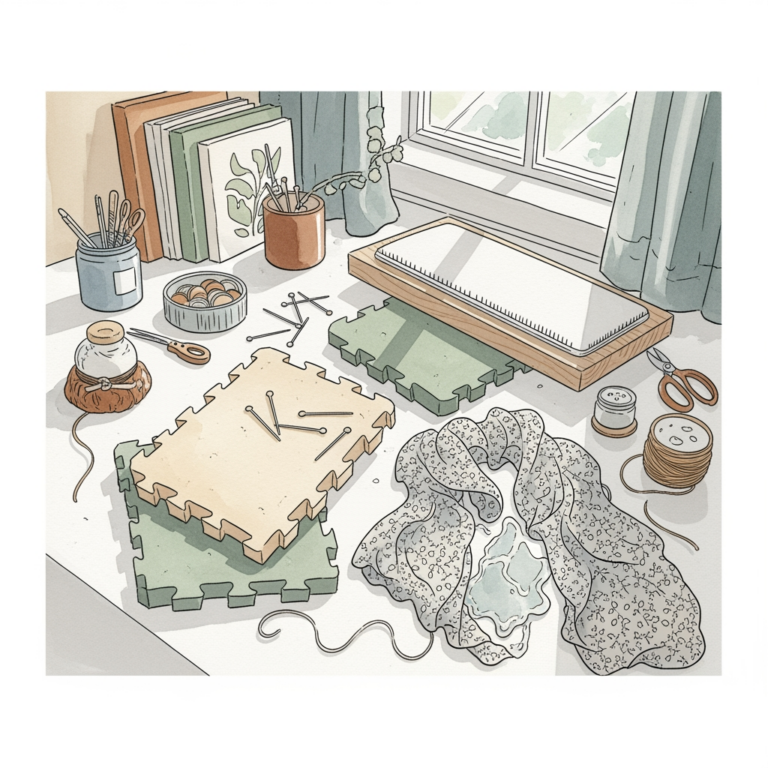
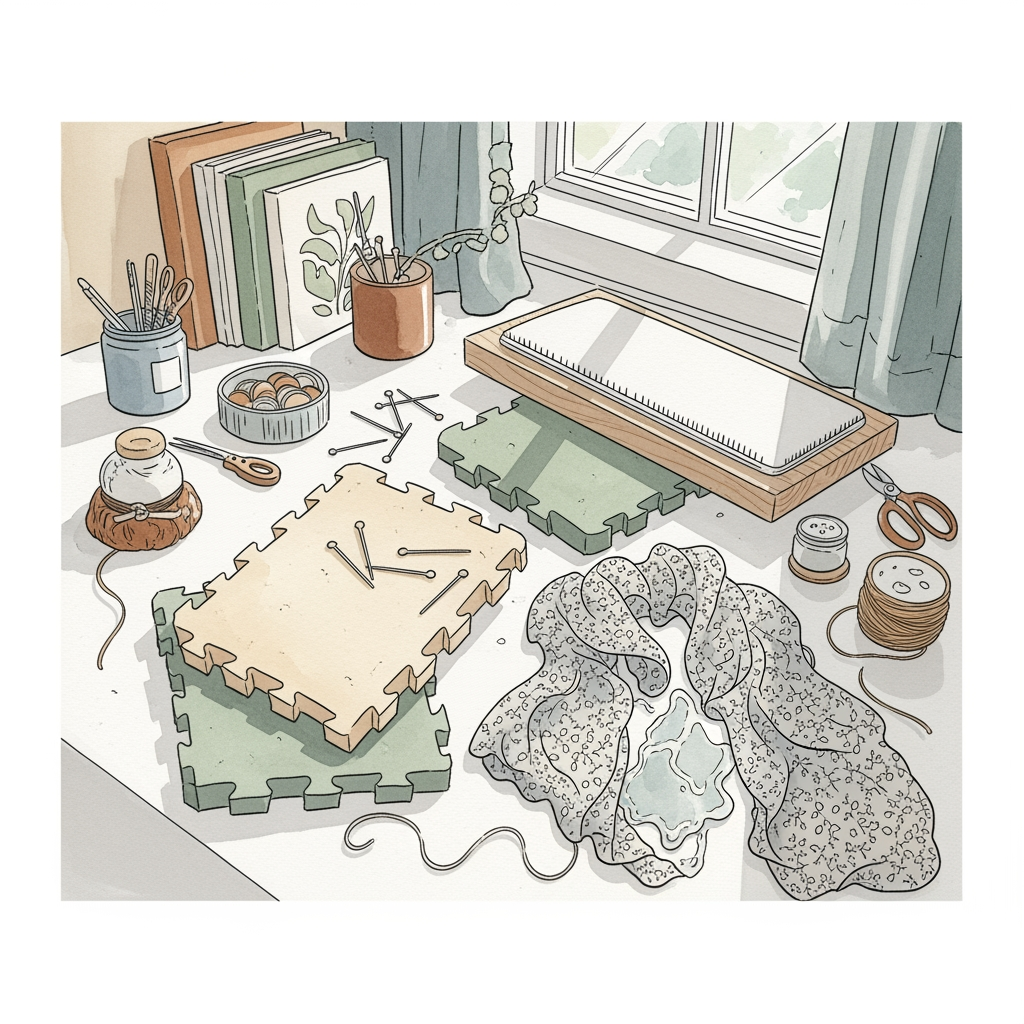
Instead, gently squeeze the water out, then lay the garment flat on a clean towel and roll it up like a burrito to absorb excess moisture. Once damp, transfer it to a blocking mat and gently nudge it into the correct measurements.
Blocking is your final chance to even out stitch tension and open up lace patterns. Patience here is key—let the garment dry completely in a flat position to ensure it retains the shape you intended.
Essential Tips for Preventing Fiber Matting Risks
Matting occurs when fibers tangle and lock together, usually due to a combination of heat, moisture, and agitation. To prevent this, always use cool to lukewarm water, as hot water is the fastest way to shrink and felt your wool.
Minimize handling during the soak; simply submerge the item and let the soap do the work. If you must move the garment, support it from underneath rather than lifting it by the shoulders or sleeves, which can lead to permanent distortion.
- Avoid agitation: Never scrub or rub the fabric against itself.
- Temperature control: Keep the water consistent; sudden changes in temperature can shock the fibers.
- Support the weight: Always cradle wet items to prevent gravity from stretching the stitches.
Taking the time to select the right wash and treating your garments with care ensures that your hard work survives the test of time. Whether you opt for the conditioning power of Eucalan or the deep-cleaning capabilities of Unicorn, your knitwear will thank you with years of softness and beauty. Remember, the best care is consistent, gentle, and intentional. Happy knitting, and may your finished objects always be treated with the respect they deserve.