6 Best Ball Winders For Heavy Weight Yarn Reviewed
Struggling with heavy yarn? We review the top 6 ball winders designed to handle bulky fibers efficiently, ensuring smooth, tangle-free projects every time.
Wrangling a skein of bulky wool into a neat cake is a rite of passage for every knitter, but heavy yarns often break flimsy plastic winders. When you are working with chunky, high-twist, or roving-style yarns, the structural integrity of your tools becomes just as important as your tension. Choosing the right winder ensures your yarn stays lofty and tangle-free rather than crushed or stretched. This guide breaks down the best heavy-duty options to keep your stash ready for your next big project.
Stanwood Needlecraft Large Metal Ball Winder


The Stanwood Large Metal Ball Winder is widely considered the gold standard for serious stash management. Its heavy-duty metal gears offer a level of torque that plastic alternatives simply cannot match, especially when handling thick, multi-ply wools.
Because it features a large capacity, you won’t have to break your yarn halfway through a 200-gram hank. The metal construction prevents the common issue of the gears stripping when the resistance of a heavy yarn increases during winding.
If you frequently work with bulky, hand-dyed yarns that come in large, loose hanks, this is your best bet. The bottom line is that the durability of the metal gears justifies the higher price point for any dedicated knitter.
KnitPicks Yarn Winder: The Budget-Friendly Choice
The KnitPicks winder is the entry-level tool that most of us started with, and it holds its own surprisingly well for light-to-medium bulky yarns. It is lightweight, compact, and very easy to set up on a standard kitchen table.
However, you must be careful not to "over-stuff" the bobbin when using it for heavy-weight fibers. If you push the capacity too far, the plastic drive mechanism can become stiff, leading to uneven tension in your finished yarn cake.
This winder is perfect for the knitter who only occasionally tackles bulky projects. Use it with a gentle touch, and it will serve you faithfully for years of smaller-scale winding.
Lacis Jumbo Yarn Ball Winder for Heavy Fibers
When you are dealing with extreme weight yarns, like super-bulky roving or thick cotton cords, the Lacis Jumbo winder is a powerhouse. It is designed specifically to handle higher volumes of fiber without straining the internal mechanics.
The size of the bobbin allows for a more relaxed wind, which is crucial for maintaining the loft of delicate wool fibers. If you pull your yarn too tightly during the winding process, you risk "stretching out" the bounce of the wool, which can ruin your gauge later.
This tool is a specialized piece of equipment for those who work with large-diameter fibers. It is an investment in the longevity of your yarn’s physical properties.
ChiaoGoo Hand-Operated Yarn Winder Review
ChiaoGoo is a brand synonymous with quality needles, and their winder reflects that same attention to detail. It is a robust hand-operated unit that focuses on smooth, consistent rotation, which is vital for preventing tangles.
The design is sleek and ergonomic, making it comfortable to use even when winding several hanks in a row. It handles bulky yarns with ease, provided you maintain a steady pace to keep the yarn feeding evenly.
While it lacks the automated ease of an electric winder, the manual control allows you to monitor the yarn for knots or snags. It is a reliable, mid-range choice for knitters who want precision and tactile control over their yarn cakes.

U-nitt Heavy Duty Metal Yarn Winder Analysis
The U-nitt is built for those who treat their yarn winding like a professional production. With a heavy metal base and reinforced components, it is designed to stay anchored to your table without sliding around.
Heavy-weight yarns create a lot of drag, and many lighter winders will "walk" across the table as you crank them. The U-nitt’s weight keeps it stationary, allowing you to focus entirely on the yarn feed.
If you are winding heavy, sticky wools that require a bit of force, this machine handles the resistance beautifully. It is arguably the most stable option for high-volume, heavy-weight winding.
Amish Style Wooden Yarn Swift & Winder Combo
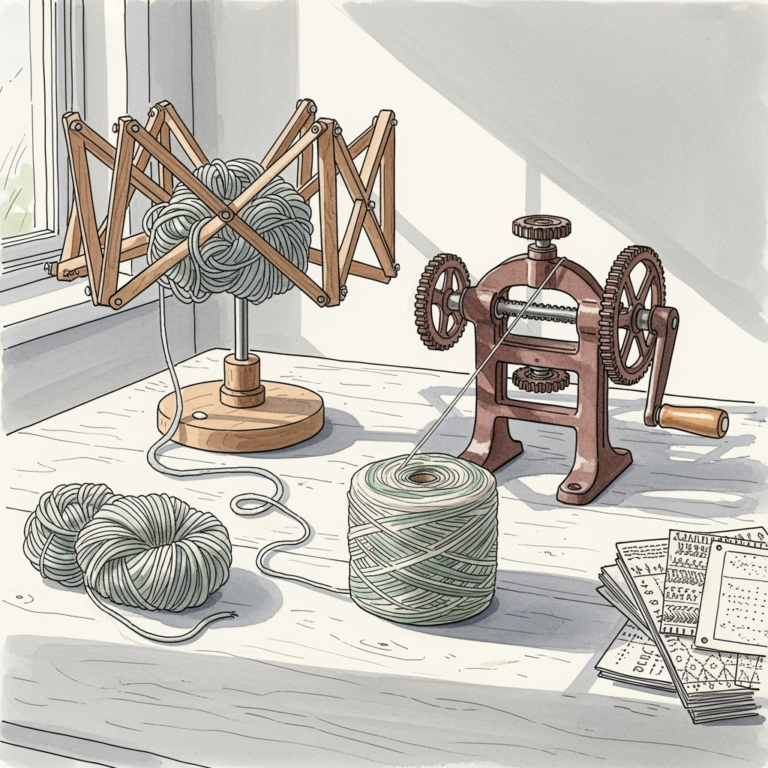
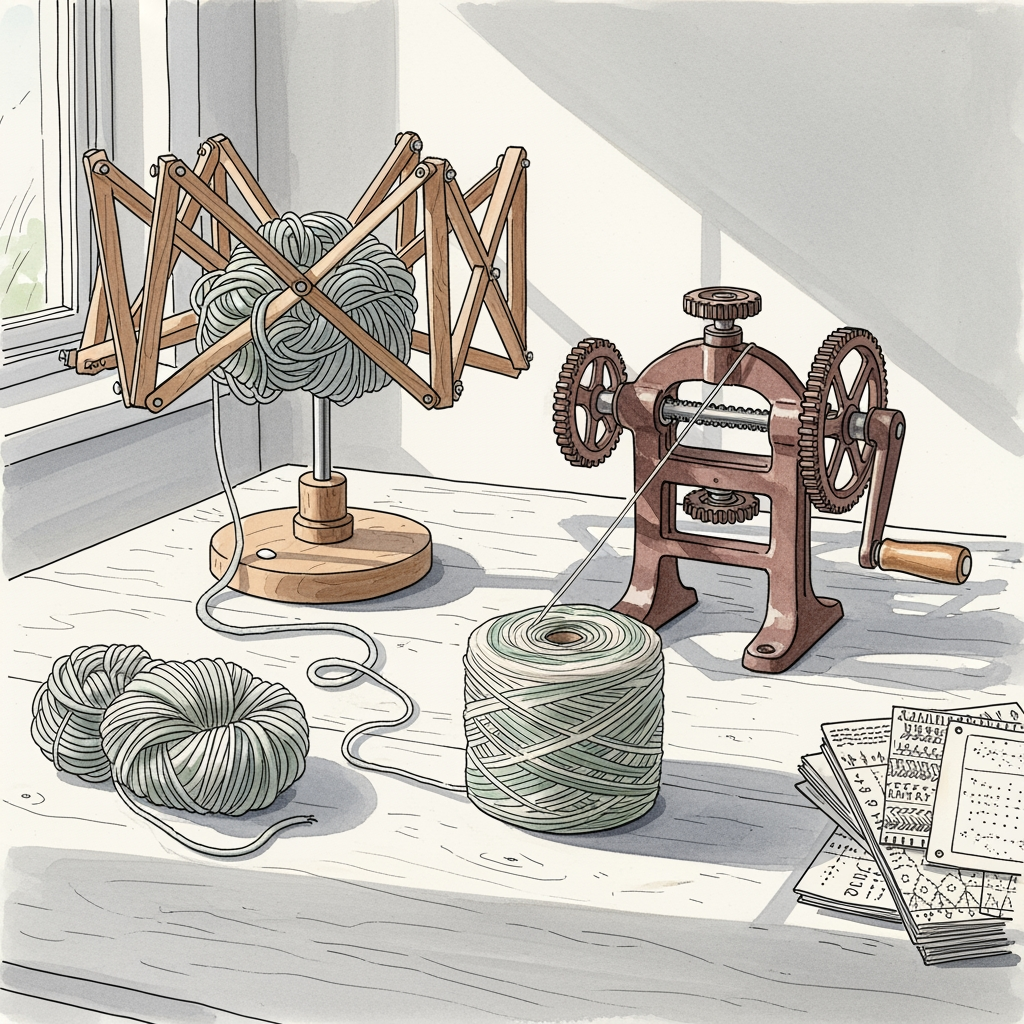
Many knitters overlook the importance of the swift, but the Amish-style wooden model is the perfect partner for a heavy-duty winder. A good swift prevents the yarn from tangling before it even reaches the winder.
Wooden swifts are superior for heavy yarns because they are adjustable and sturdy, preventing the yarn from slipping off the arms. When paired with a metal winder, you create a seamless system that handles even the most unruly hanks of wool.
This combo approach is the best way to ensure your yarn remains in pristine condition. Don’t just buy a winder; invest in a high-quality swift to ensure the yarn feeds smoothly and without tension spikes.
Why Heavy Yarn Requires a Robust Ball Winder
Heavy-weight yarn, by definition, has more mass and friction than lace or fingering weight. When you wind these fibers onto a flimsy plastic winder, the sheer physical weight can cause the bobbin to wobble or the gears to skip.
This creates uneven tension in your yarn cake, which can lead to "yarn barf" where the center collapses or pulls out in a tangled clump. Furthermore, heavy yarns are often more prone to losing their loft if wound too tightly.
A robust winder allows you to maintain a consistent, relaxed tension that keeps your yarn bouncy and ready for knitting. Always prioritize a tool that can handle the physical load of your heaviest fiber projects.
Essential Features for Winding Bulky Yarns
When shopping for a winder, look for a wide bobbin and a sturdy, heavy base. A wide bobbin ensures the yarn isn’t being wrapped too tightly, which preserves the crimp and elasticity of the fiber.
- Metal Gears: Essential for handling the torque of bulky yarn.
- Heavy Base: Prevents the winder from shifting during use.
- Adjustable Tension Guide: Allows you to control how tightly the yarn is wrapped.
- Large Capacity: Necessary for bulky hanks that take up significant space.
These features ensure that your yarn remains in the best possible state for your needles. Never sacrifice structural integrity for a lower price when dealing with expensive, high-quality bulky wools.
How to Maintain Your Winder for Long Life
To keep your winder running smoothly, always clear out any stray fibers that get wrapped around the spindle. These tiny bits of fluff can build up over time and increase friction within the gears.
If your winder has metal gears, a tiny drop of sewing machine oil once or twice a year can work wonders. Avoid using heavy household lubricants, as these can attract dust and eventually clog the mechanism.
Store your winder in a clean, dry place to prevent the plastic or metal from degrading. A little bit of routine maintenance will ensure your winder lasts for decades, not just a few projects.
Troubleshooting Common Yarn Winding Issues
If your yarn keeps slipping off the bobbin, you are likely winding too fast or the tension guide is set too loose. Slow your pace and ensure the yarn is feeding directly into the guide without any sharp angles.
If the winder is making a clicking sound, check for debris in the gears or a misaligned spindle. Most issues are simply a matter of cleaning out stray fibers that have migrated into the internal housing.
If you find your yarn cakes are coming out messy, try holding the yarn strand slightly higher or lower as it enters the winder to change the angle of the wind. Experimenting with your hand position is often the simplest fix for a messy yarn cake.
Finding the right winder is just as important as choosing the right needles for your project. By selecting a robust tool that can handle the weight and volume of your yarn, you protect the loft and elasticity of your fibers. Remember that a smooth winding process leads to a much more enjoyable knitting experience. With the right equipment, your stash will stay organized, accessible, and ready for your next masterpiece.