6 Best Ball Winders For Yarn Stash Organization
Organize your yarn stash efficiently with our top six ball winder picks. Discover durable, easy-to-use tools that turn tangled skeins into neat, tidy cakes.
Organizing a yarn stash is more than just a tidy closet; it is an essential step in protecting your precious fibers from tangles and moths. A quality ball winder transforms unruly hanks into neat, center-pull cakes that sit flat and feed smoothly while you knit. Whether you are a casual hobbyist or a dedicated stash-builder, choosing the right tool makes the winding process a joy rather than a chore. Here are the top six winders to help you master your yarn storage.
Stanwood Needlecraft Large Metal: Best Overall
When you move beyond simple acrylics and start investing in luxury fibers like hand-dyed wool or delicate silk blends, you need a winder that won’t snag. The Stanwood Large Metal winder is the gold standard for a reason: its heavy-duty gear system provides a smooth, consistent tension that prevents yarn stretching.
Unlike plastic models that can struggle with the weight of a 400-yard skein of worsted weight wool, this unit handles heft with ease. The metal gears are built to last through decades of stash-rotation, making it a true "buy it for life" investment for the serious maker.
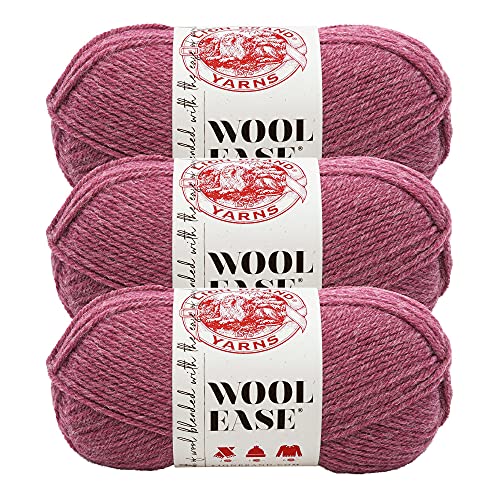

If you frequently wind large cakes for sweaters, the stability of this base is unmatched. It stays planted on your table, allowing you to focus on the yarn flow rather than chasing the winder across the room.
Knit Picks Yarn Ball Winder: Best for Beginners
If you are just starting to build your stash, you don’t necessarily need an industrial-grade machine. The Knit Picks winder offers a perfect entry point, providing a reliable, user-friendly experience at a price that won’t break your knitting budget.
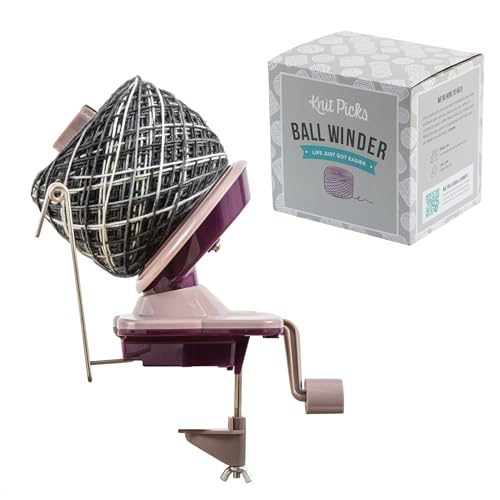
It is lightweight and portable, making it easy to tuck away in a project bag when not in use. While it is made primarily of plastic, it is surprisingly durable for standard fingering and sport-weight yarns.
This is the ideal tool for someone who has just discovered the beauty of hand-dyed hanks but isn’t ready to commit to a professional setup. It gets the job done efficiently without the steep learning curve of more complex machines.
Lacis Jumbo Yarn Winder: Best for Large Skeins

There is nothing more frustrating than trying to wind a massive, 100-gram skein of bulky yarn on a small winder, only to have the cake collapse halfway through. The Lacis Jumbo winder is engineered specifically to handle those high-yardage, heavy-weight projects.
Its oversized bobbin creates a larger core, which is essential for preventing the "yarn collapse" that happens when a cake gets too tall and unstable. If you are a fan of chunky, oversized sweaters or thick, cozy blankets, this is your best friend.
Keep in mind that this winder requires a bit more table space and a sturdy surface to accommodate its size. However, the trade-off is a perfect, stable cake that won’t tip over while you’re working on your next big project.
Nancy’s Knit Knacks Heavy Duty: Best Professional
For the knitter who treats their yarn stash like a professional library, Nancy’s Knit Knacks offers an unparalleled level of precision. These winders are built for high-volume use, often found in local yarn shops where they are used to wind hundreds of skeins per week.
The build quality is exceptional, featuring high-grade components that ensure the yarn winds onto the cake with perfect, even distribution. This is critical for preventing "yarn memory" or stretching, which can happen if a winder pulls too aggressively on delicate fibers like alpaca or mohair.
If you are a prolific knitter or someone who hosts winding parties for your knitting group, this is the machine for you. It is a professional-grade tool that respects the integrity of your yarn above all else.
U-nitt Hand-Operated Winder: Best Budget Option
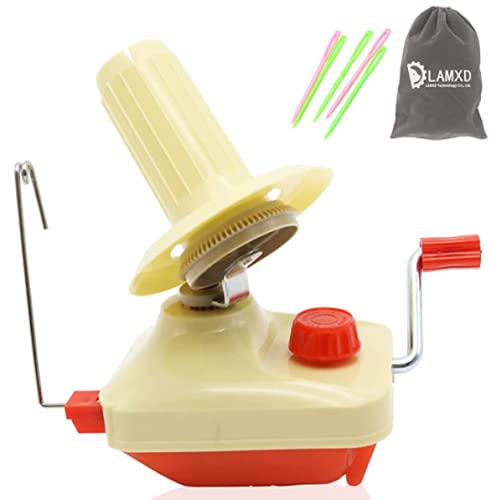
Not every knitter has the space or the funds for a large, specialized winding station. The U-nitt hand-operated winder is a fantastic, compact solution that proves you don’t need to spend a fortune to keep your stash organized.
It is incredibly simple to operate and clamps securely to most standard tables. While it may not have the capacity of the jumbo models, it handles standard weight yarns perfectly for everyday use.
This is a great "second winder" to keep in your travel kit or to gift to a friend who is just learning how to wind their first hank. It is reliable, honest, and gets the job done without any unnecessary bells or whistles.
ChiaoGoo Hand-Operated Winder: Best Compact Pick
ChiaoGoo is a brand synonymous with quality in the knitting world, and their compact winder is no exception. It is designed for the knitter who lives in a small space and needs a tool that disappears into a drawer when the work is done.
Despite its small footprint, it is surprisingly sturdy and smooth to operate. It is particularly well-suited for winding smaller quantities of yarn, such as leftover bits from a scrap blanket or a single skein of sock yarn.
Because of its size, it is less prone to the mechanical issues that can plague larger, more complex machines. If you value minimalism and efficiency, this compact winder is an excellent addition to your tool kit.
How to Choose the Right Winder for Your Stash
Selecting a winder starts with an honest assessment of your typical project types. If you primarily knit delicate lace shawls on fine needles, you need a winder that offers precise, low-tension winding to avoid damaging the fine ply of your yarn.

Conversely, if you are a fan of bulky, rustic wools, prioritize a winder with a large, sturdy base and a wide bobbin. A winder that is too small for your yarn will result in cakes that are prone to tangling, which defeats the purpose of winding in the first place.

Always consider your storage space and the surface you will be winding on. A winder is only as good as the table it is clamped to, so ensure you have a stable, flat area that can accommodate the clamp mechanism.
Why Center-Pull Cakes Protect Your Yarn Fibers
Winding yarn into a center-pull cake is the best way to prevent the tangling that occurs when yarn is pulled from the outside of a ball. When you pull from the center, the cake remains stationary, which prevents the yarn from twisting or rolling off the table.
This stability is crucial for maintaining consistent tension as you knit. If your yarn is constantly rolling around or snagging on itself, your gauge will inevitably fluctuate, leading to uneven stitches.
Furthermore, center-pull cakes are easier to store in bins or baskets without them becoming a jumbled mess. They stack neatly, allowing you to see your color palette at a glance and making it easy to grab exactly what you need for your next project.
Essential Maintenance Tips for Your Ball Winder
A ball winder is a mechanical device, and like any machine, it requires a little TLC to keep it running smoothly. Periodically check the gears for any stray fibers or dust that might have accumulated during winding.
If the winder starts to feel sluggish or makes a grinding noise, a tiny drop of sewing machine oil on the moving parts can make a world of difference. Never force the handle if you feel resistance, as this can strip the plastic or metal gears.
When not in use, store your winder in a clean, dry place to prevent the components from warping or corroding. Treating your tools with care ensures they will remain reliable partners in your knitting journey for years to come.
Troubleshooting Common Yarn Winding Problems
If your yarn is tangling while winding, the most common culprit is a lack of tension during the process. Ensure the yarn is feeding smoothly from your swift and that there are no snags in the path between the hank and the winder.
If your cakes are collapsing, it usually means you are winding too quickly or the yarn is too heavy for the winder’s bobbin size. Slow down your cranking speed and ensure the yarn is being guided evenly across the width of the bobbin.
Lastly, if your winder keeps slipping off the table, ensure the clamp is tightened securely and consider using a piece of shelf liner or a rubber mat underneath the base for extra grip. Most winding issues are simple mechanical fixes that can be solved with a bit of patience and adjustment.
Investing in a quality ball winder is one of the most rewarding upgrades a knitter can make for their workspace. By transforming your hanks into tidy, organized cakes, you protect your fibers and make your knitting time much more relaxing. Take the time to choose the model that best fits your specific yarn collection and space, and you will enjoy a more efficient, tangle-free crafting experience. Happy winding and even happier knitting!