6 Best Laundry Boosters For Stained Dishcloths To Use
Struggling with stubborn kitchen stains? Discover the 6 best laundry boosters for stained dishcloths to restore your linens. Read our guide and refresh them today.
Hand-knit dishcloths are the workhorses of the kitchen, turning hours of meticulous stitch work into functional art. While cotton fibers are absorbent and durable, they inevitably harbor stubborn stains from coffee, grease, and berries that standard laundry detergent simply cannot lift. Choosing the right laundry booster ensures that precious heirloom-quality textiles remain both beautiful and hygienic. This guide evaluates six high-performing additives to keep your handmade projects looking pristine through years of daily use.
OxiClean Versatile Stain Remover: Best Overall


OxiClean utilizes oxygen-based bleaching power to break down organic stains without the harshness of chlorine. For a knitter, this is vital because it preserves the structural integrity of natural cotton fibers, which can become brittle if treated with traditional bleach.
This product is highly effective at neutralizing odors that often get trapped in the textured stitch patterns of your favorite dishcloths. Because it dissolves easily in hot water, it penetrates the deep “valleys” of cable or seed stitch designs where soil particles tend to hide.
Always dissolve the powder fully before submerging your knits to avoid concentrated spots. It is the gold standard for those who want a reliable, one-stop solution for keeping dishcloths bright and fresh.
20 Mule Team Borax: Best Budget-Friendly Pick
Borax acts as a natural water softener, which is essential for knitters living in regions with hard water. Minerals in hard water often deposit themselves on cotton fibers, making your soft, hand-knit cloth feel scratchy and stiff over time.
By softening the wash water, Borax allows your detergent to perform at its peak efficiency. It creates an alkaline environment that discourages the growth of mildew and bacteria, a common issue with damp dishcloths that aren’t dried quickly.
Use it in tandem with your regular detergent to maintain the drape and softness of your yarn. It is a cost-effective choice for those who knit dishcloths in bulk and need a maintenance routine that won’t break the bank.
Arm & Hammer Washing Soda: For Stubborn Grease
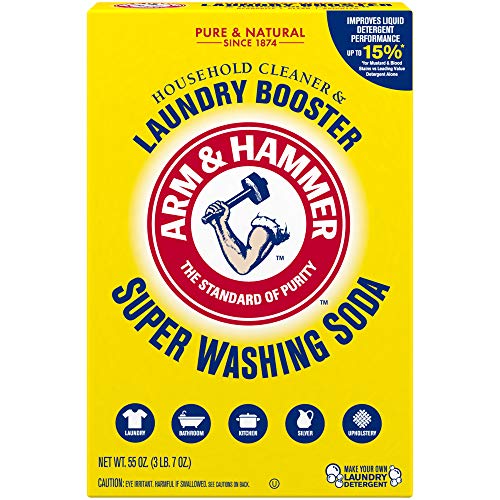
Washing soda is significantly more alkaline than baking soda, making it a powerhouse for cutting through the kitchen oils that cling to cotton. If a dishcloth was used to wipe down a stove or a greasy pan, this is the additive that will strip that film away.
Because of its high pH, it effectively breaks the bond between grease and the cotton fibers. It restores the absorbency that is often lost when synthetic or natural kitchen oils coat the yarn.
Be mindful that washing soda is quite potent, so a little goes a long way. Use it for periodic deep-cleaning sessions rather than every single wash to ensure the long-term longevity of your fiber.
Buncha Farmers Stain Stick: Best for Pre-Treating
The Buncha Farmers Stain Stick is a concentrated, soap-based treatment that allows for precision application. This is ideal for targeting localized spots like tomato sauce splatters or berry juice on delicate stitch textures.
Rubbing the stick directly onto the damp fabric ensures that the active agents are massaged into the ply of the yarn. Unlike liquid additives that wash away quickly, this soap remains in the fibers until the agitation of the wash cycle begins.
It is particularly useful for those who favor high-contrast colorwork or variegated yarns, as it allows for spot-cleaning without soaking the entire item. It is a must-have tool for maintaining the professional finish of your hard work.
Biokleen Bac-Out: Best for Pesky Food Stains
Biokleen Bac-Out utilizes live enzyme cultures to literally “eat” protein-based stains and eliminate the source of stubborn smells. This is a scientific advantage for knitters, as enzymes operate at a molecular level to break down biological matter trapped between stitches.
Many kitchen stains, such as egg or dairy, are protein-based and can become permanent if not treated with specific enzymatic cleaners. Bac-Out tackles these without relying on harsh chemicals that might fade hand-dyed yarns.
Because it is plant-based, it is gentle on the hands and the environment. This is an excellent choice for those who prioritize eco-conscious supplies that still provide industrial-strength results.
Nellie’s Oxygen Brightener: Top Eco-Friendly Pick
Nellie’s Oxygen Brightener is a highly concentrated formula that acts as a whitening agent without the use of chlorine. It is effective at brightening natural white cotton without the yellowing effect often seen after repeated washing.
It is biodegradable and septic-safe, making it a favorite for knitters who appreciate natural, sustainable supplies. The formula is designed to be free of phosphates and synthetic fragrances, ensuring no residue is left behind to irritate skin during dishwashing.
Use it as a soak to revive dull-looking cloths that have lost their luster. It strikes the perfect balance between effective cleaning power and an environmentally friendly footprint.
How to Properly Strip Your Stained Dishcloths
Strip washing is the process of removing mineral and soap buildup that prevents your dishcloths from getting truly clean. Over time, even the most absorbent cotton yarn can become “clogged” with fabric softener residue and calcium.
Fill a basin with hot water and add a mixture of washing soda and borax. Submerge your dishcloths and let them soak for several hours, stirring occasionally to ensure the water reaches all surface areas.
After soaking, run the cloths through a standard rinse cycle in your washing machine. This resets the fibers, restoring their original absorbency and allowing the yarn to breathe once again.
Oxygen vs. Enzyme Boosters: Which Do You Need?
Oxygen boosters, such as OxiClean or Nellie’s, are ideal for general whitening and neutralizing odors caused by time and humidity. They work best on light-colored cloths and general kitchen grime that builds up over a standard week of use.
Enzyme boosters, like Bac-Out, are targeted weapons for specific biological messes. If you are frequently cleaning up food debris, dairy, or proteins, the enzymes provide a chemical reaction that oxygen alone cannot achieve.
In the knitting world, choose the booster based on the yarn’s color and the frequency of the stains. Oxygen is a daily maintenance tool, while enzymes are your tactical solution for messy kitchen emergencies.
A Knitter’s Guide to Preventing Stubborn Stains
The best defense against permanent stains is choosing the right fiber construction from the start. High-twist cotton yarns resist soaking up spills better than loosely spun yarns, which tend to hold onto pigment.
Consider using darker colors or variegated yarns for everyday kitchen tasks to hide minor staining. While pristine white cloths are traditional, a sophisticated choice of charcoal or navy blue will age much more gracefully in a high-traffic kitchen.
Finally, ensure your dishcloths are hung to dry completely after each use to prevent mildew. Even the best fiber will lose its battle with stains if it remains damp and creates an environment for deep-set biological growth.
FAQ: Caring for Your Hand-Knit Dishcloths
Can I use bleach to whiten my dishcloths? Avoid chlorine bleach, as it significantly weakens the cellulose in cotton, leading to thinning and premature snapping of the yarn. Oxygen-based brighteners are a safer, long-term alternative for your hand-knit items.
Does fabric softener affect my dishcloths? Yes, avoid fabric softener at all costs. It coats the yarn in a waxy layer, drastically reducing the cloth’s ability to absorb water and clean dishes.
How often should I deep clean my dishcloths? Depending on usage, a deep-cleaning soak once a month is sufficient to remove buildup and restore functionality. If the cloths feel “slimy” or smell musty despite washing, it is time for a strip wash.
Proper maintenance of your hand-knit dishcloths is just as important as the stitch pattern you choose for them. By incorporating these specialized boosters into your laundry routine, you ensure that your hard work continues to serve its purpose for years. Treat the fiber with care, and your dishcloths will remain a reliable, hygienic, and beautiful staple in your home.